Morocco
Morocco Aims for 5G Rollout Ahead of 2030 World Cup Co-Hosting
Morocco is working to have a 5G internet connection before 2030, the year it will co-host the 2030 World Cup with Spain and Portugal.

Morocco is working to have a 5G internet connection before 2030, the year it will co-host the 2030 World Cup with Spain and Portugal.
The Spanish authorities are looking for Moroccan cybercriminals who would be acting from Morocco and the enclaves of Ceuta and Melilla. They are said to have already defrauded many victims in Spain.
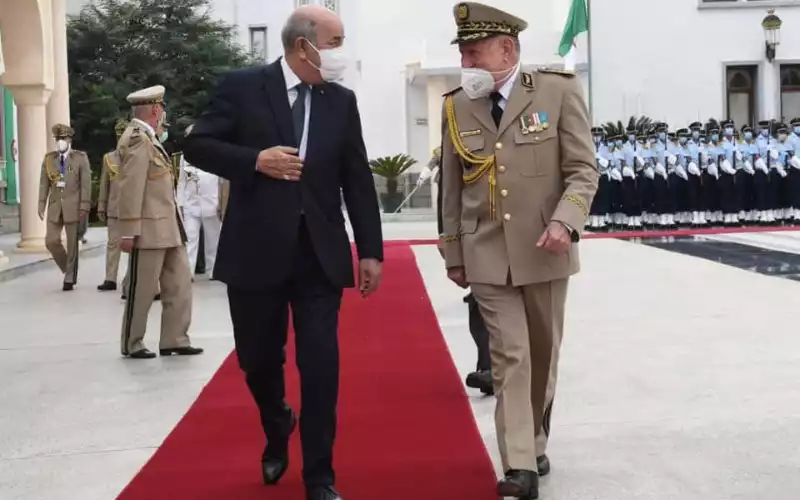
Algeria is conducting a vast disinformation campaign on social media targeting Morocco. The Sahara issue remains one of the points of friction between the two neighboring countries.
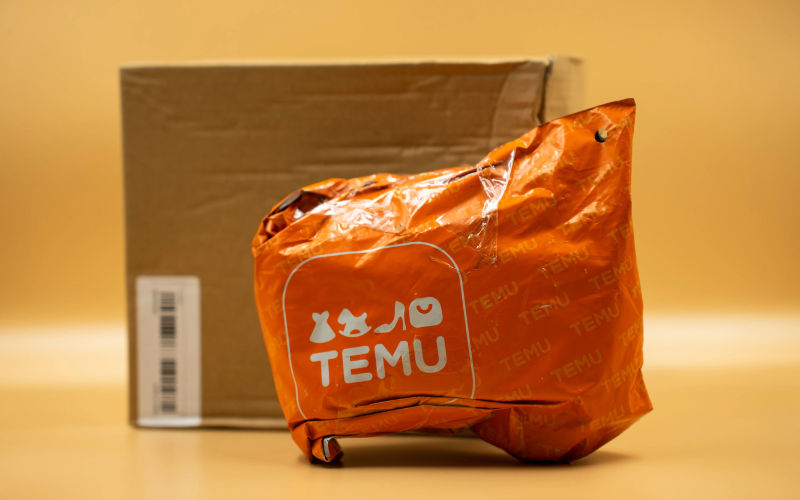
Temu, the Chinese giant of e-commerce, has been established in Morocco since April 2nd. The group offers low prices in order to establish itself in the Moroccan market already conquered by competitors like Jumia.
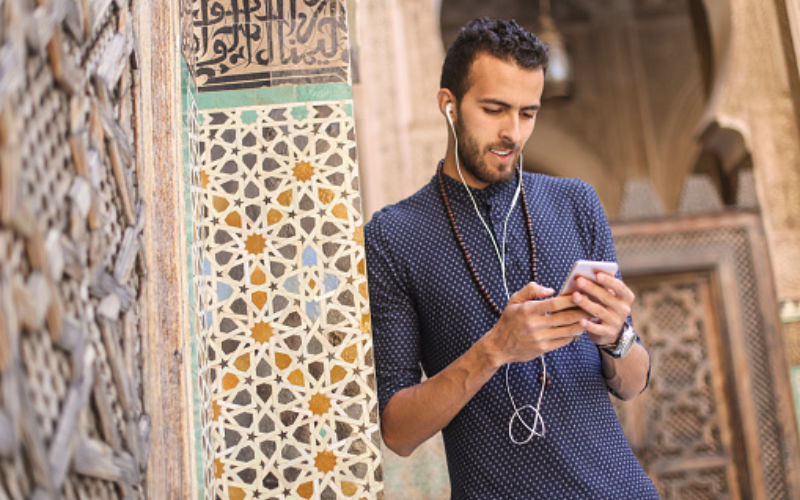
During a debate organized by the Authenticity and Modernity Party (PAM), Ghita Mezzour, Minister of Digital Transition and Administrative Reform, revealed the share of Moroccan territory without internet coverage.
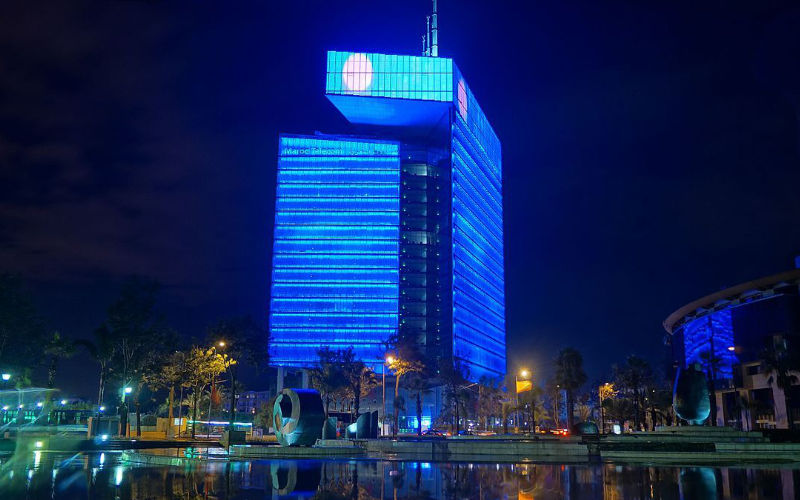
The Ministry of Digital Transition and Public Administration Reform will be responsible for managing telecommunications during the 2030 World Cup. This is what the Moroccan Organizing Committee for the tournament has decided.

Economic operators who continued to charge service fees to their customers when paying bills electronically have stopped this practice, the Competition Council announced on Tuesday.
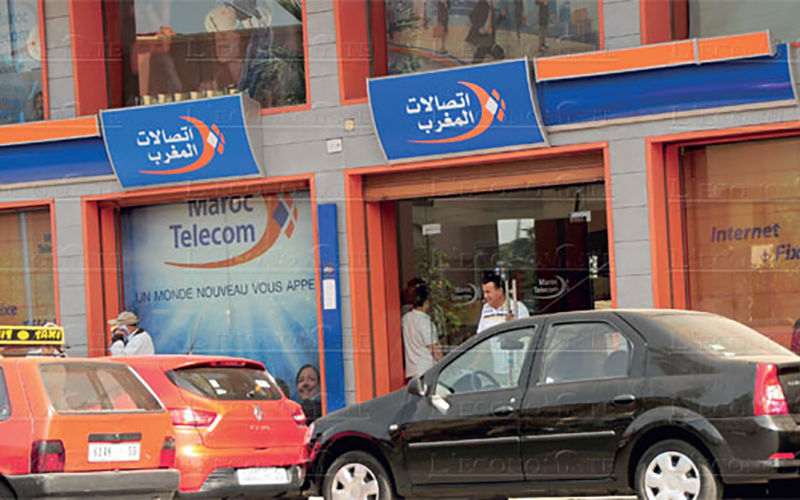
The Delegate Minister to the Head of Government in charge of Digital Transition and Administrative Reform, Ghita Mezzour, recently held a working meeting with the Organizing Committee for Morocco’s 2030 World Cup. The objective was to assess the level of implementation of ongoing infrastructure projects, particularly in the field of telecommunications and ICT.

The German company Hornetsecurity, a world leader in cybersecurity, plans to set up in Morocco, more precisely in Casablanca. It aims to help Moroccan companies protect themselves against cyberattacks.
Threatened with bans in the United States and Europe, TikTok is increasingly criticized around the world. In Morocco, voices continue to call for the banning of the Chinese application. But rather than banning it, experts call for regulating its use.
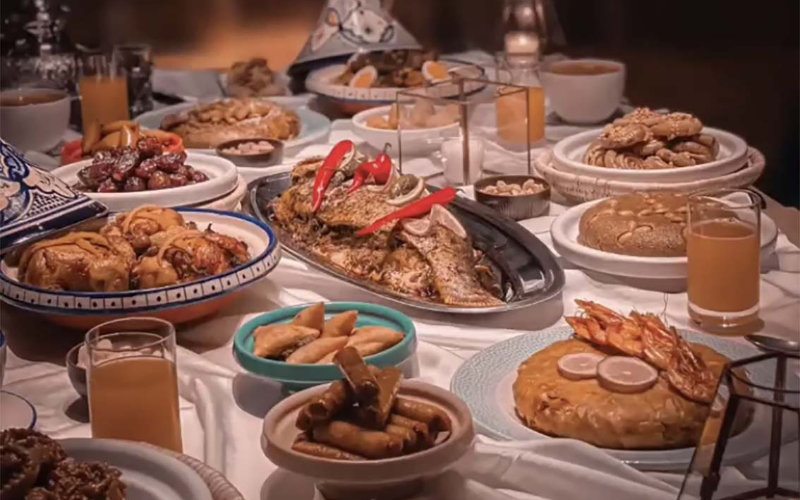
During the holy month of Ramadan, many Moroccan influencers post daily on social media photos of tables laden with dishes and drinks for the breaking of the fast (iftar). A behavior perceived as provocation by some Internet users who are having a hard time sacrificing this tradition in this context of continuous price increases.
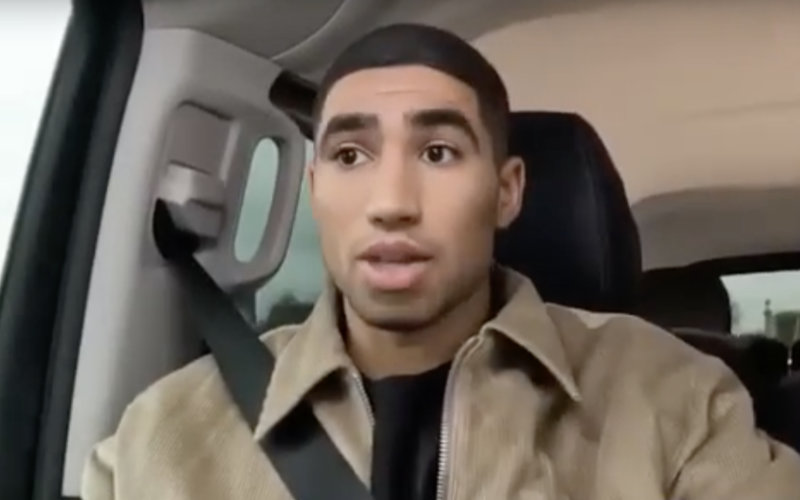
Achraf Hakimi is involuntarily involved in a deepfake scam. A video of the PSG star, or rather his double, inviting young Moroccans to download an app to easily earn money is circulating on Facebook.