Spain
Morocco Seals Borders with Spanish Enclaves to Combat Coronavirus Spread
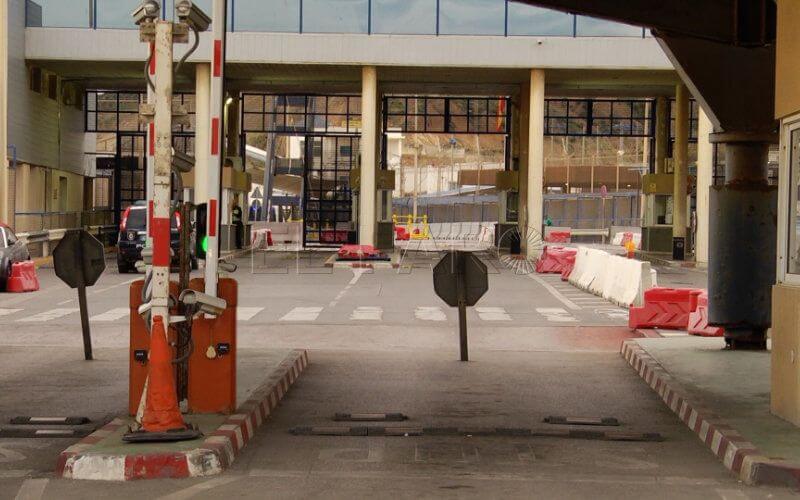
Morocco closed its borders with the Spanish enclaves of Ceuta and Melilla early this Friday morning to prevent the spread of the coronavirus.

Morocco closed its borders with the Spanish enclaves of Ceuta and Melilla early this Friday morning to prevent the spread of the coronavirus.
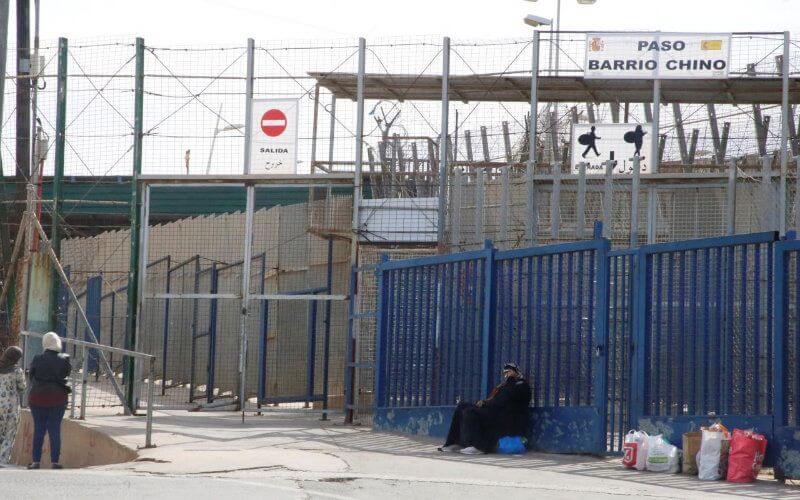
After deciding on Thursday, March 12, to suspend all air and sea links with Spain due to the coronavirus, Morocco has exceptionally planned to open two border crossings on Friday evening.

A 65-year-old individual was apprehended in Bab Sebta on Thursday for his alleged involvement in an attempted drug and psychotropic trafficking case.
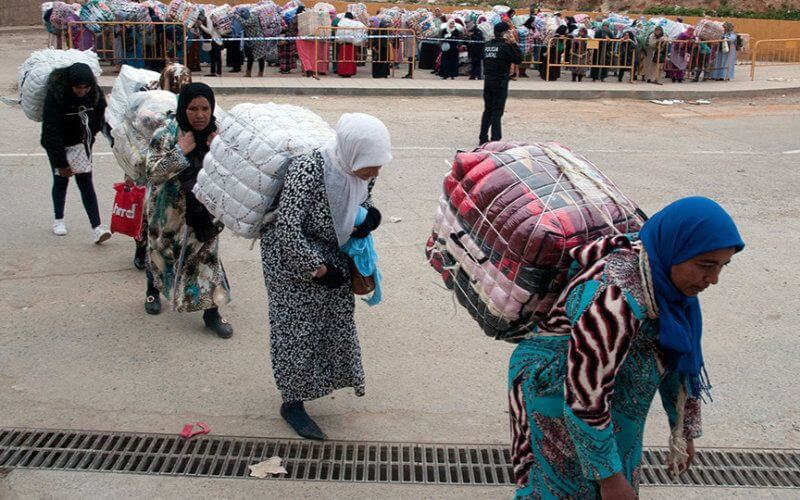
The closure of the Ceuta border crossing, by unilateral decision of Morocco, is already having a negative impact on the Moroccan population. About 3,000 goods carriers (mule women) find themselves unemployed due to the decline in trade in the town of Fnideq, as well as in the Spanish enclave.

Two Spanish nationals of Moroccan origin were killed in a high-speed chase with police in the Mediterranean. They were transporting drugs on a boat that also contained two other individuals.
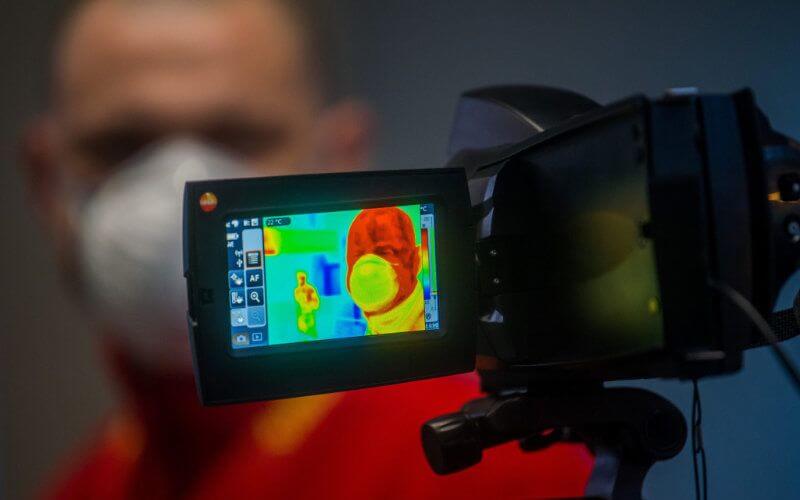
The Moroccan authorities installed a thermal camera at the Bab Sebta border post on Tuesday, March 3, 2019.
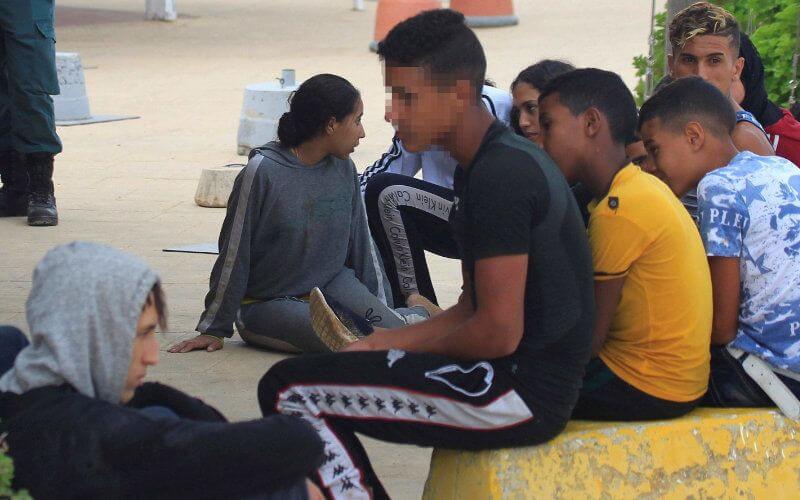
Nearly 500 unaccompanied migrant children and adolescents of Moroccan origin are now registered in the various recognized centers for this purpose in Ceuta. This is revealed by the figures published by the city.
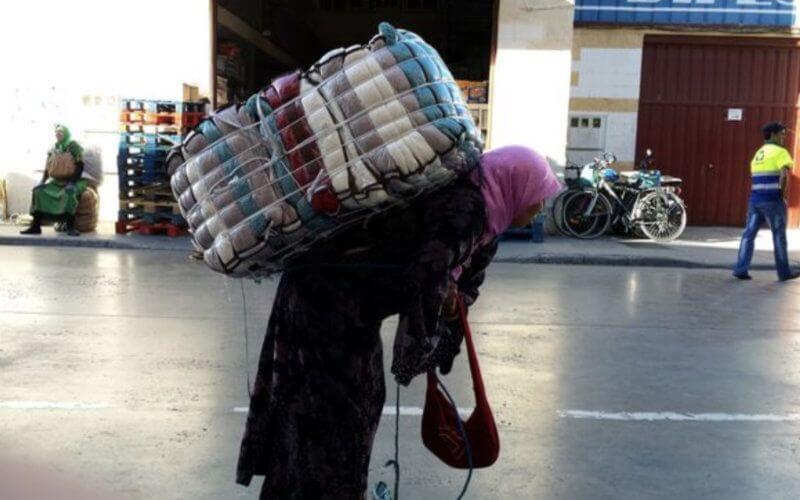
The end of the smuggling trade has plunged the economy of the Spanish enclaves, Ceuta and Melilla, into a major recession. While the decision largely impacts merchants and traffickers, the porters (hamalas) are also heavily affected.

Thousands of protesters gathered on Sunday, March 1st in Ceuta to denounce the growing racism in the city.

Following the closure of cross-border trade, Morocco has launched a project to build an economic activity zone in the Tetouan region. This zone will be dedicated to commerce and light processing industries.
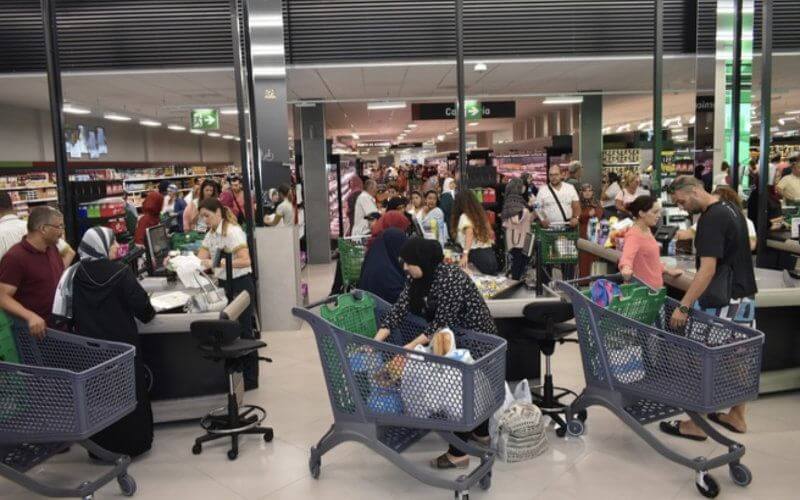
The illegal introduction of Spanish products into Morocco is over. Moroccan companies now import these products legally.

A delegation from Ceuta is mobilizing to send King Mohammed VI a petition, signed by the city’s residents, to request the reduction of the security measures put in place to put an end to smuggling.