Morocco
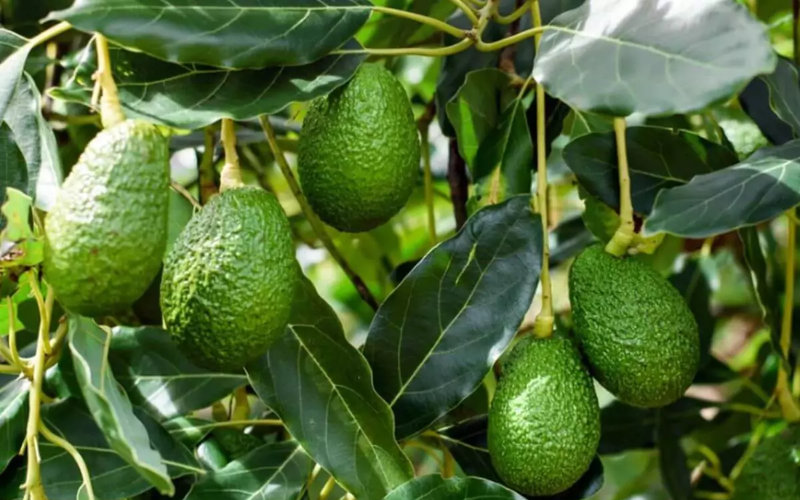
Avocado: the green gold that is draining Morocco
The cultivation of avocado requires a significant amount of water. In Morocco, voices are rising to call for the banning of this crop, in this period of severe drought and water stress.

The cultivation of avocado requires a significant amount of water. In Morocco, voices are rising to call for the banning of this crop, in this period of severe drought and water stress.
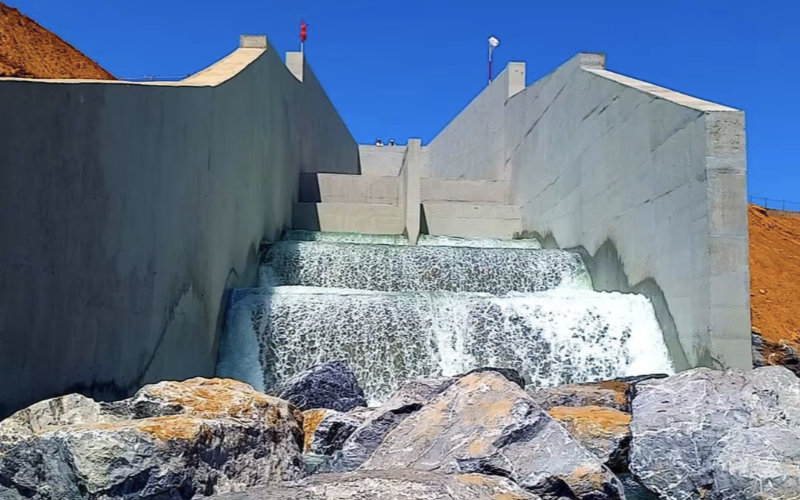
Faced with severe drought, water stress and lack of rainfall it has been experiencing for more than four years, Morocco plans to connect the Oued El Makhazine dam to the port of El Boughaz Fadil in Tangier to supply drinking water to the populations of the region.
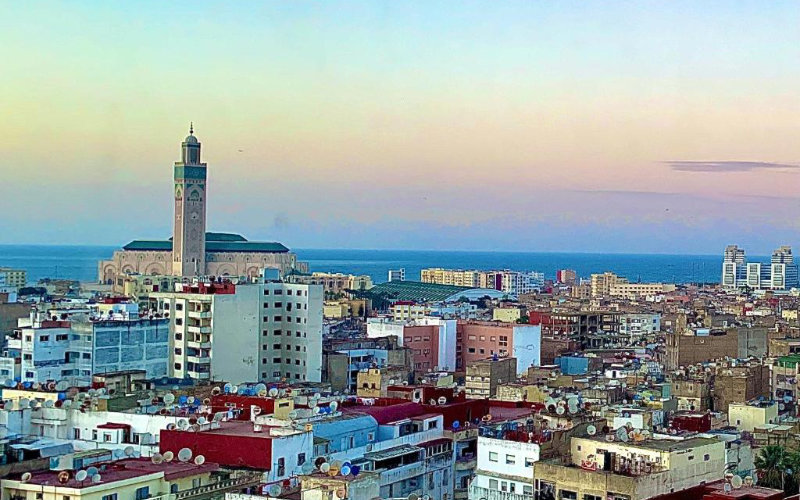
The low water flow in large cities like Casablanca worries the residents who denounce the intempestive water cuts. For the Lydec authorities, the available water resources are insufficient to meet the needs of the populations, in this period of water stress.

In Tangier, the street cleaning by tanker trucks of the company Mecomar, in charge of the city’s cleanliness, in this context of water stress and especially heavy rains, has outraged the residents.
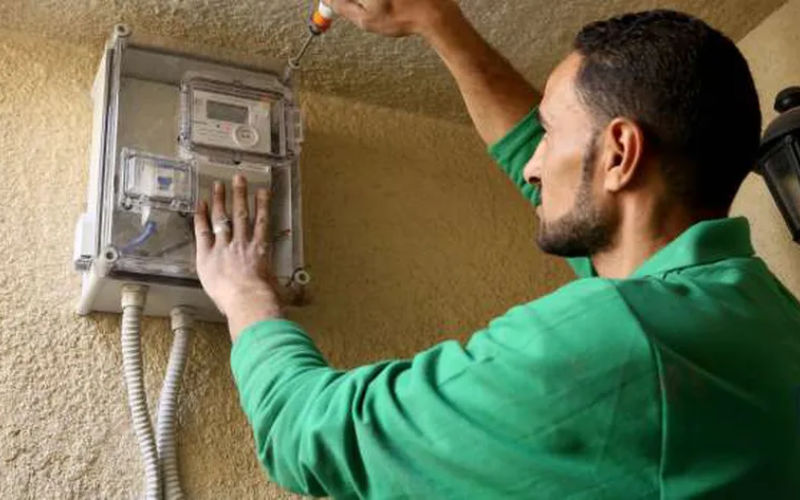
Several villages in the province of Chefchaouen have been in the dark and without water since Friday, when gusts of wind hit the region, damaging power lines and poles.
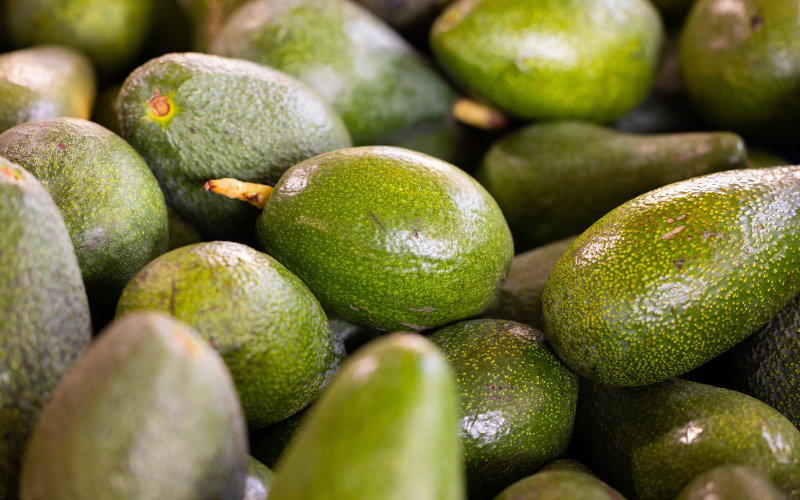
Moroccan farmers continue to produce avocados for export, despite the water stress the kingdom is experiencing. The export volume of this product has already reached 30,000 tons.

Rather than closing public baths to rationalize water, Socialist Party deputy Majida Chahid proposes to set the capacity of these establishments or determine the amount of water to be used per customer.
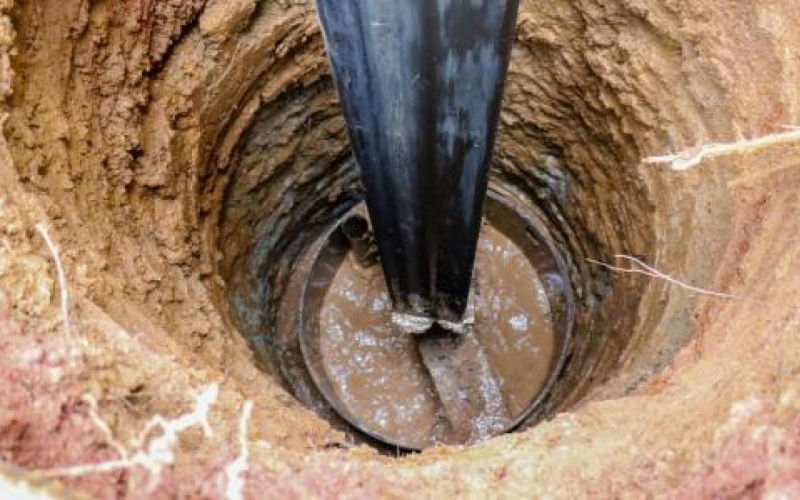
Foreigners would have drilled wells without prior authorization in the commune of Oulad Hassoune, near Marrakech. A fact denounced by a human rights association in the Marrakech-Safi region.
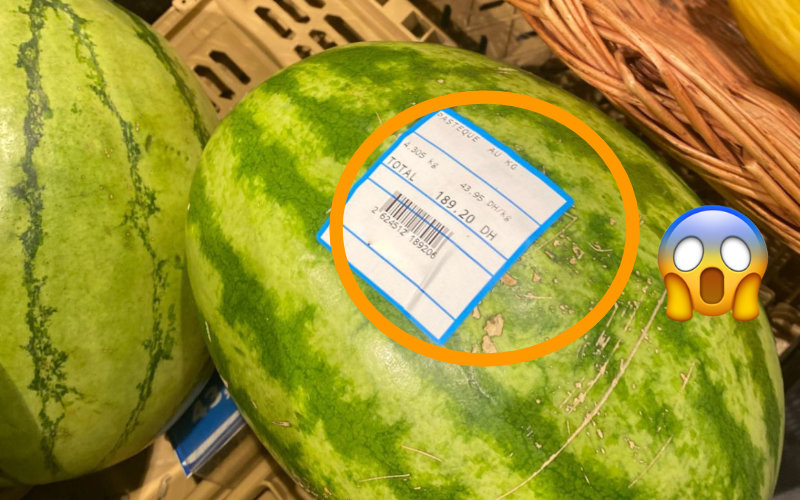
Despite the ban on watermelon cultivation in certain regions of Morocco, significant quantities of this fruit remain available on the Moroccan market, raising questions about their origin. But at what price?
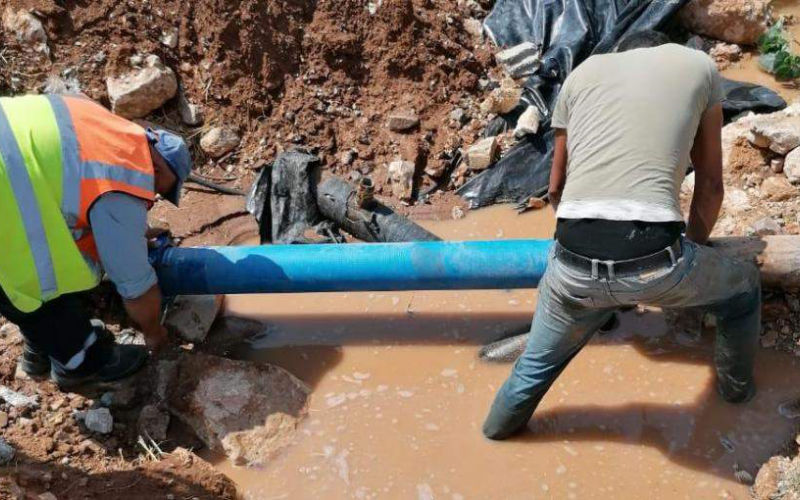
The authorities of the commune of Ben Maachou Oulad Abbou in the province of Berrechid have seized dozens of pumps and engines used by farmers to divert irrigation water from the Oum Rabia River, with the complicity of some elected officials in the region.
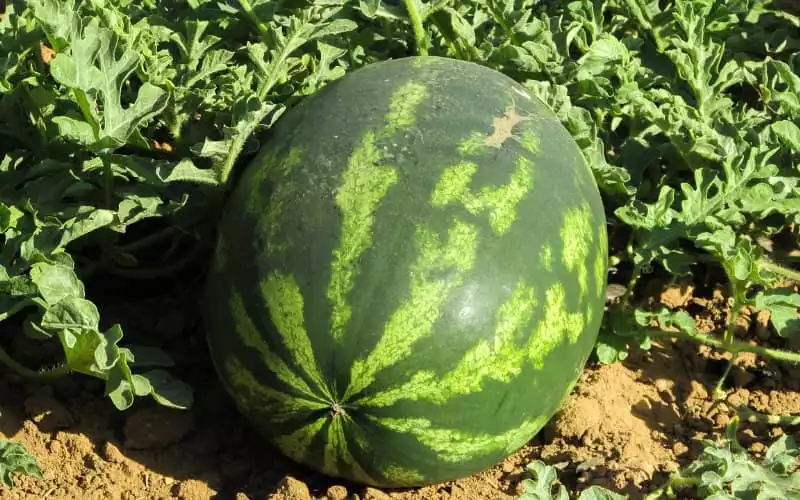
To cope with the severe drought and water stress, the governor of El Jadida has decided, among other things, to ban the cultivation of watermelons, melons and carrots.

In Morocco, the measure to close hammams and car washes three days a week, taken by the Ministry of the Interior, in order to rationalize water consumption, could lead to a major problem. This is at least what an environmental expert fears.