Morocco
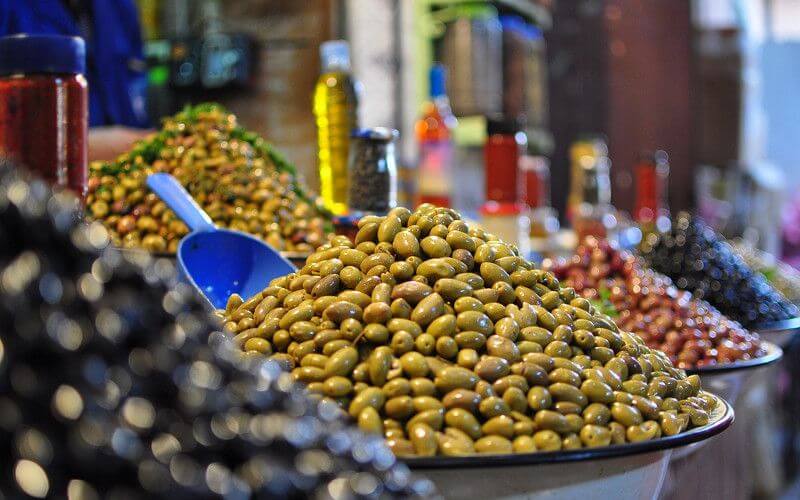
Moroccan Olive Oil Consumption Lags Behind Mediterranean Neighbors at 3 Liters Per Capita
The average annual consumption of olive oil does not exceed 3 liters per capita in the kingdom.

The average annual consumption of olive oil does not exceed 3 liters per capita in the kingdom.
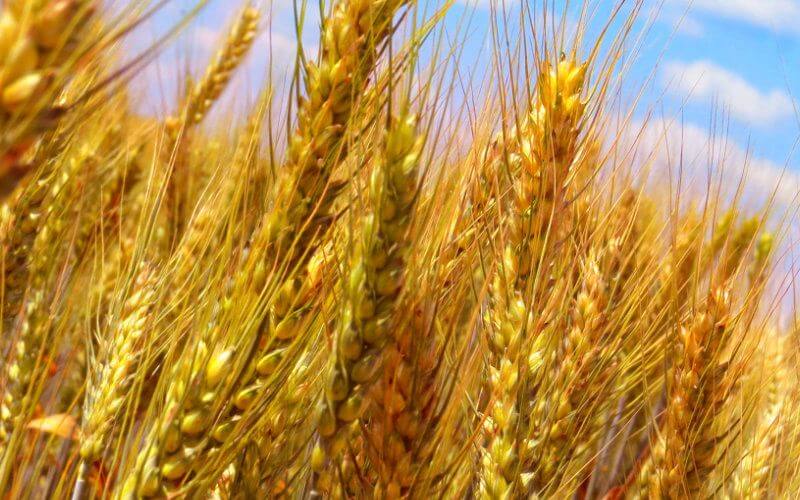
Morocco has suspended its import duties on soft wheat and its derivatives for the period from January 2 to April 30, 2020.
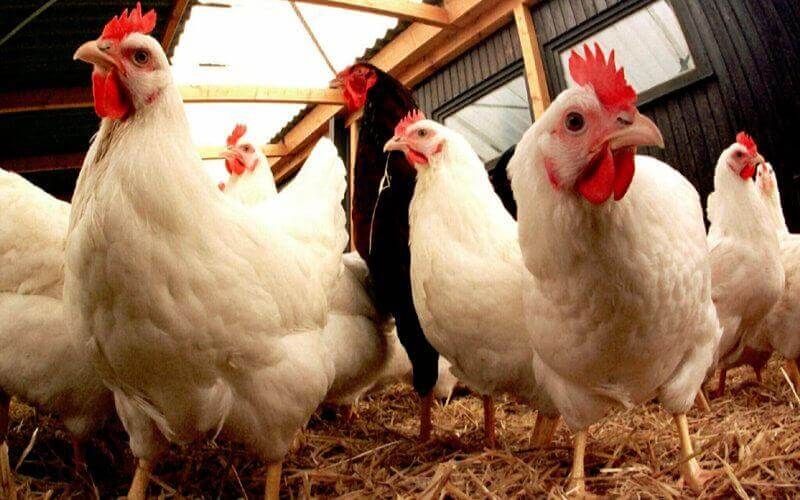
Poultry meat prices have seen a sharp increase in supermarkets in Casablanca , just days before the end of year celebrations.
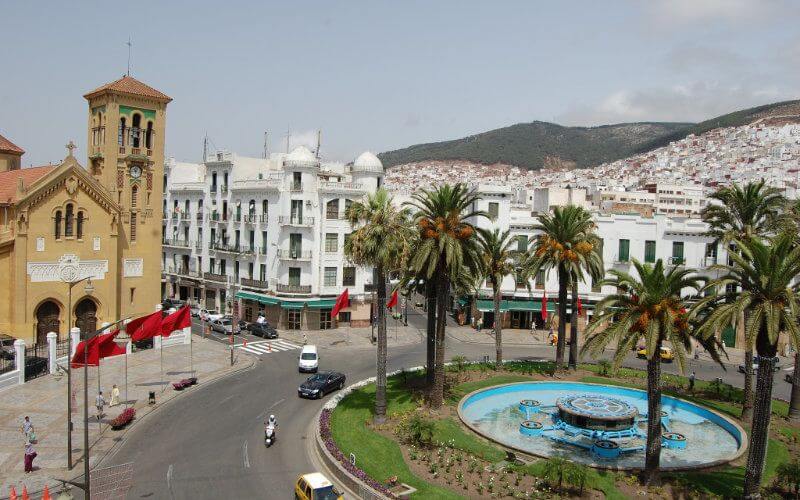
In Morocco, consumer prices increased by 0.4%, according to a provisional estimate published by the High Commission for Planning (HCP). Let’s look at the figures in detail for the main cities.
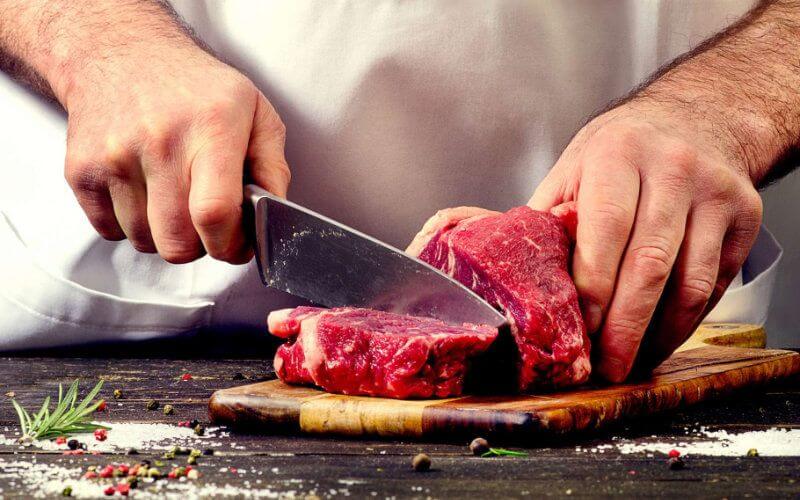
A veterinary certificate endorses the export of Russian beef to the Moroccan market. According to Sputnik News, this agreement would soon allow Russian-produced beef to be found on Moroccan plates.
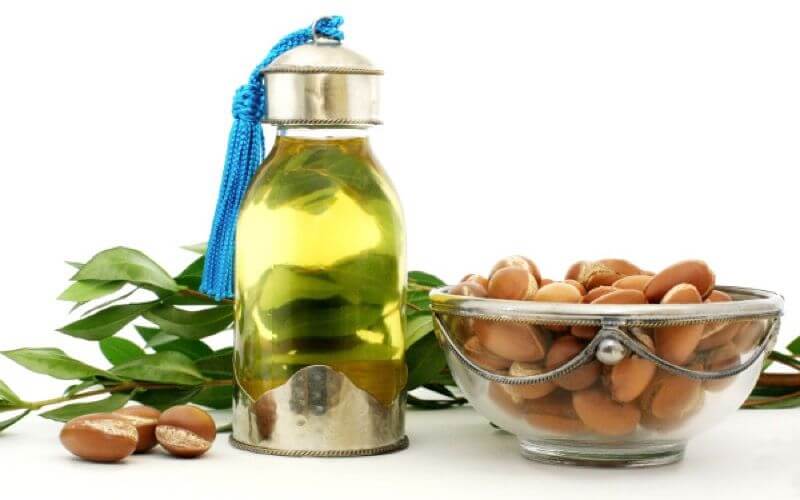
Morocco has literally lost the monopoly on argan oil production to Israel, whose trees now produce 10 times more.
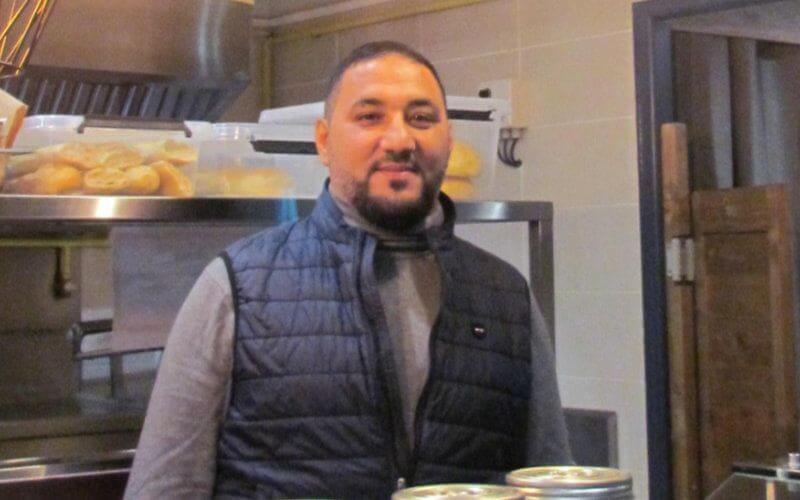
While he was only a pure product of telecommunications, Yacine Benarbia is surprising his entourage by opening the "Burger’s bar" in his childhood neighborhood, the Bois de l’Etang. He has taken over the business of "La Galette", a crêperie that had closed last May.
Improving the Kingdom’s supply of cereals is a major concern for Moroccan importers and Ukrainian exporters. In this sense, they have conducted in-depth reflections on the subject.
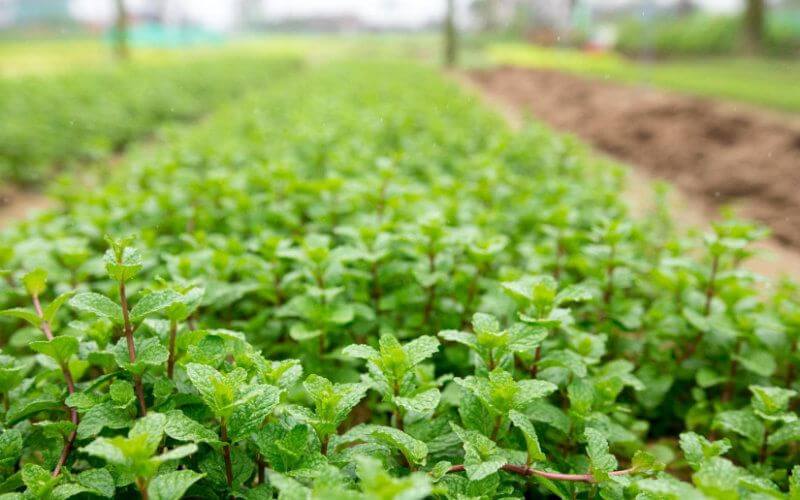
Mint that has not undergone the necessary analysis to prove that it is fit for consumption must no longer be marketed. This is the decision of the National Office for Food Safety (ONSSA) which requires that the mint on the market meet the standards and be preserved from all chemicals.

The Moroccan army plans to buy frozen meat for its troops stationed in the Sahara for $32 million.
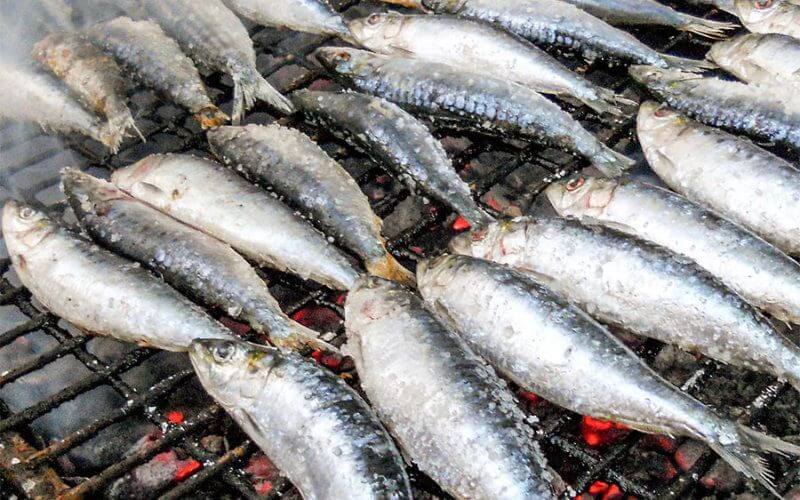
Toxic sardines consumed by Moroccans, for an entire year, are a source of concern due to the high level of histamine they contain and the risks to consumers.
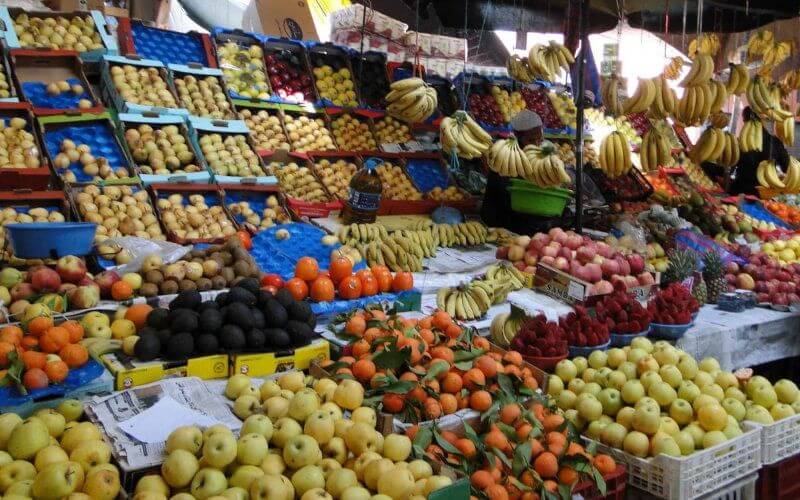
The prices of basic necessities such as butane gas, flour, sugar and oil will increase. At least this is what the head of government Saâdeddine El Othmani announced last weekend during a meeting that his party PJD organized in Kenitra.