Spain
Stranded Moroccans Protest in Melilla, Demand Repatriation Amid Border Crisis
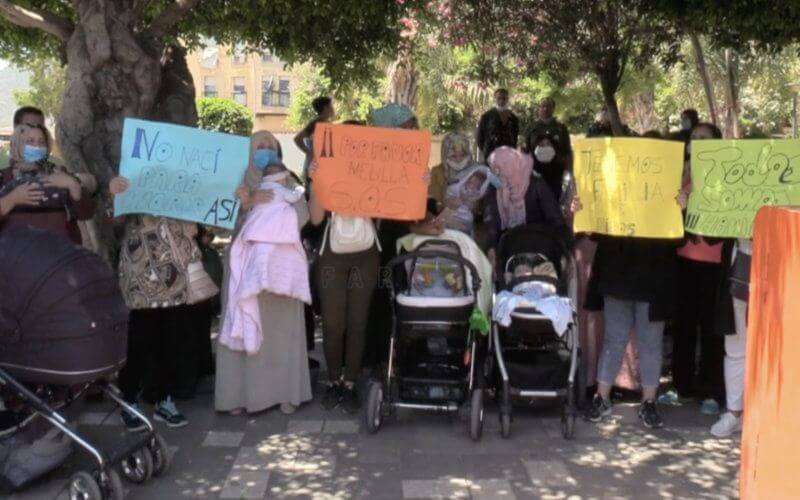
The halt of repatriation operations for Moroccans stranded in the enclave of Melilla has sparked anger and incomprehension.

The halt of repatriation operations for Moroccans stranded in the enclave of Melilla has sparked anger and incomprehension.
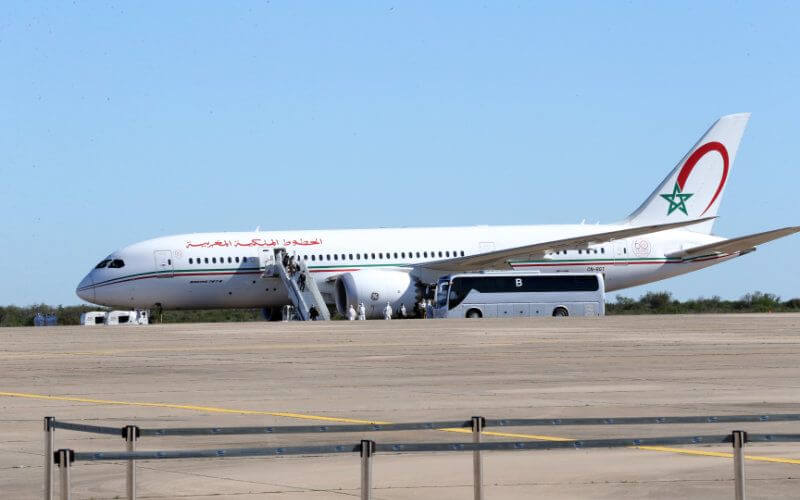
Three Royal Air Maroc flights repatriated on Wednesday 310 Moroccans, including 10 babies, stranded in southern Spain. Those who benefit from this humanitarian operation are people in precarious health, elderly or who no longer have means of subsistence.
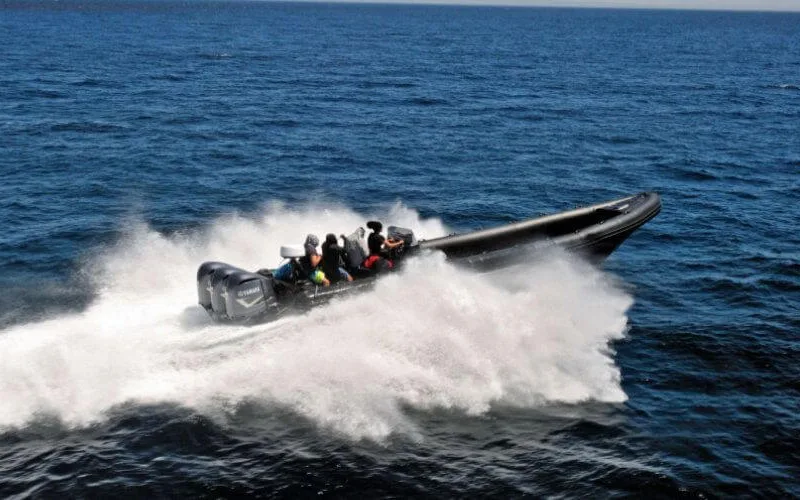
In the Strait of Gibraltar, the police are tracking drug traffickers trying to penetrate the southern border of Europe, between Morocco and Spain. In total, nearly 80% of the cannabis consumed in Europe is produced in Morocco.
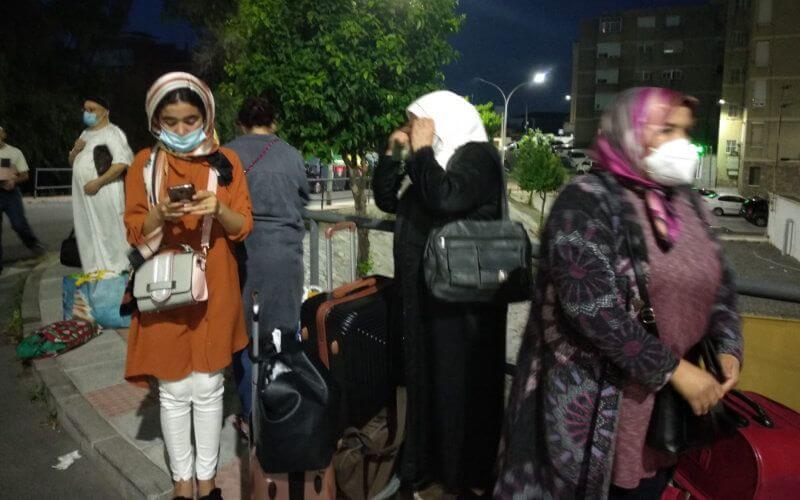
Due to the increase in positive Covid-19 cases in the enclave of Ceuta, the Moroccan government has suspended the repatriation operations there. About 900 Moroccans are still blocked in the enclave and waiting to return home.
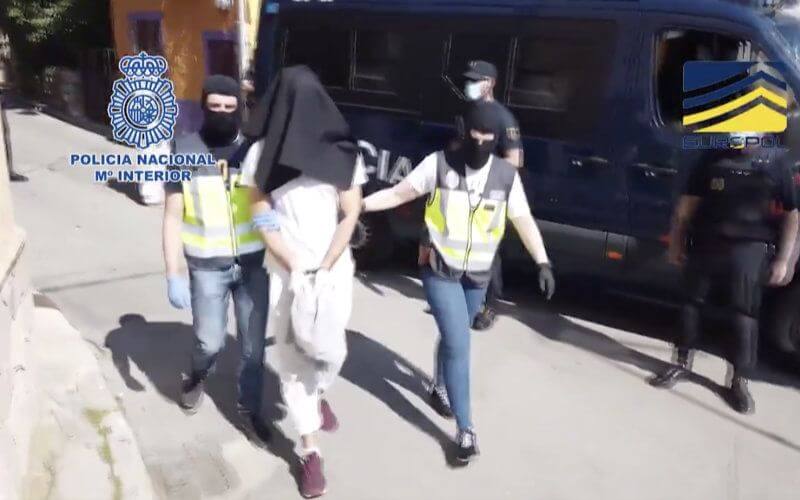
The Spanish police arrested a "Moroccan national for his alleged participation in the crimes of belonging to a terrorist organization, indoctrination and self-training" on June 3 in Guadalix de la Sierra, near Madrid.
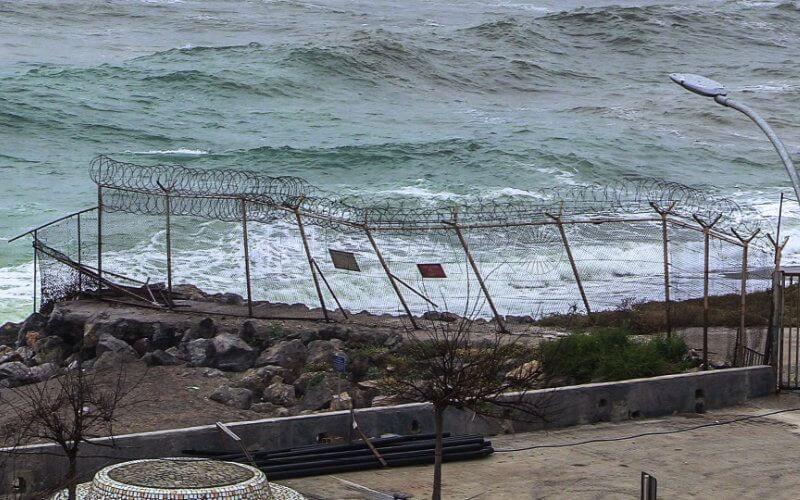
On Friday, four Moroccans returned to the kingdom after braving the sea from Ceuta. The Spanish police stopped two others in their tracks.
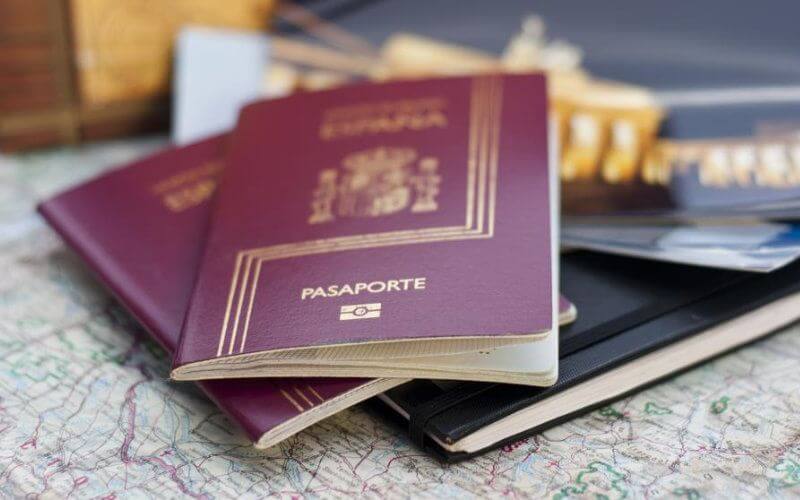
The Supreme Court refuses Spanish nationality to those born in Western Sahara during the colonial period.
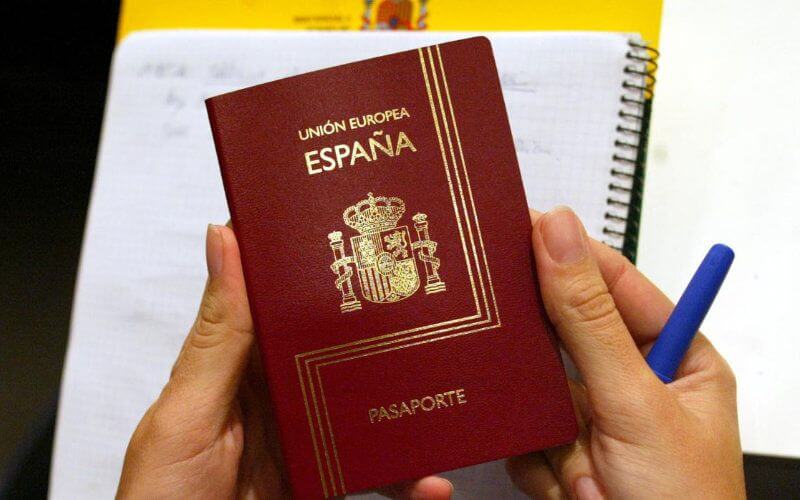
Some 24,500 Moroccans obtained Spanish nationality in 2019, according to the latest figures published by the Spanish National Institute of Statistics (INE).
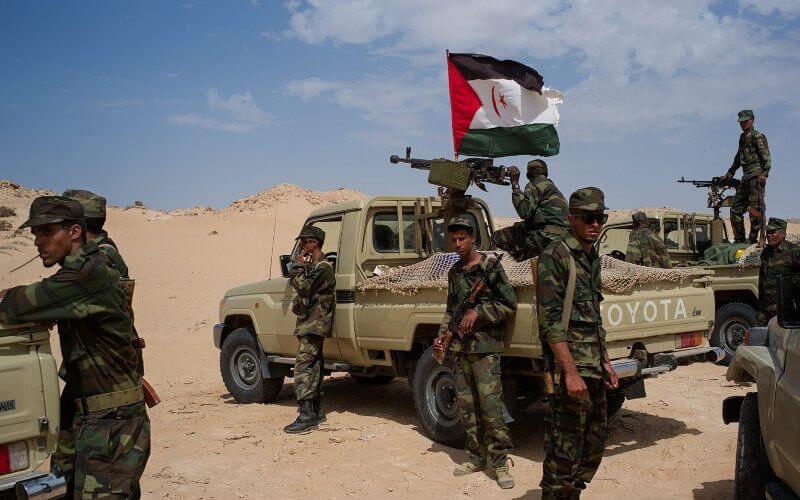
The Spanish Supreme Court has banned the use of the Polisario flag in the public sphere. A blow to the Front.

Moroccan culinary art is in the spotlight in Spain. It was celebrated during the "MasterChef Spain" show, broadcast on Monday evening on "TVE1", the Spanish public channel.

The UN Committee on the Rights of the Child (CRC) has welcomed the initiative of the Spanish government that has allowed a 12-year-old Moroccan girl to be enrolled in school in Melilla , despite the illegal situation of her mother.
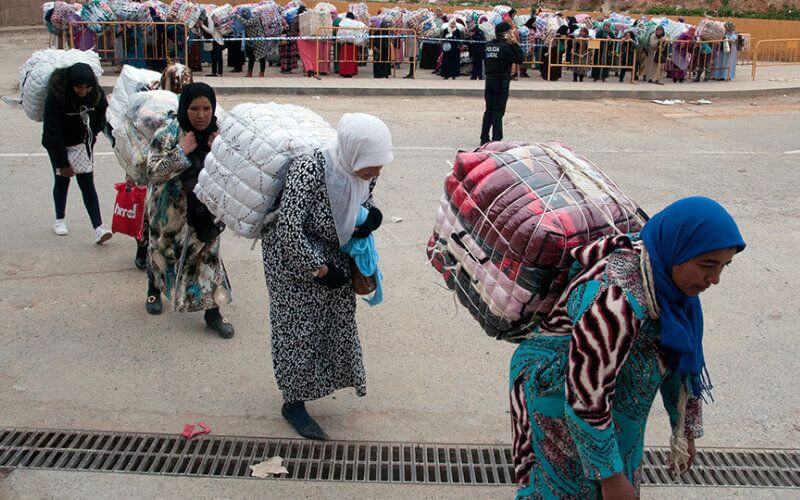
Smuggling is no longer allowed in Ceuta and Melilla. The Moroccan government has decided to permanently close its border posts with the Spanish enclaves to hamalas (carriers) and major smugglers.