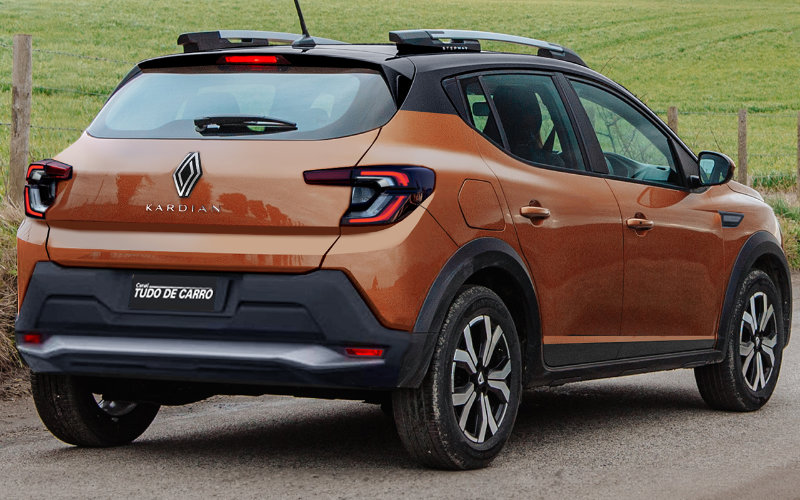
Renault Morocco Strategic Factory Tangier Production Hub
Morocco has become one of the most strategic links in Renault Group. In a publication dedicated to its Tangier plant, the automaker describes northern Morocco as one of the world’s most integrated automotive ecosystems, where production, suppliers, port and logistics operate within a radius of just a few kilometers.
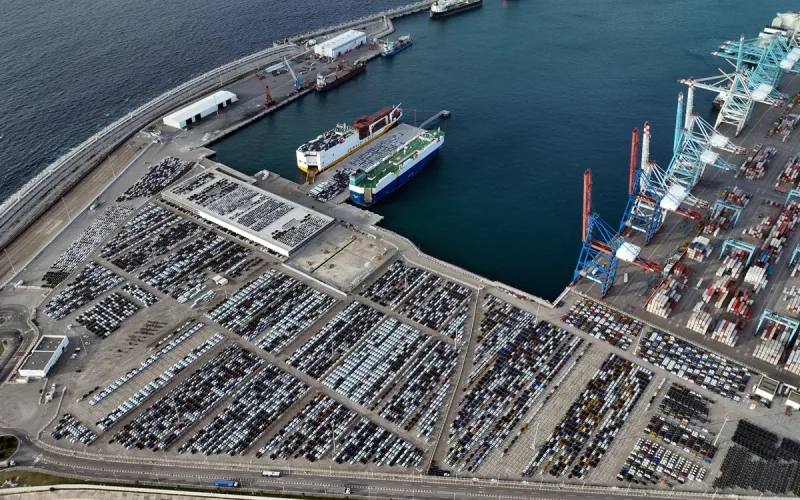
According to Renault Group, Morocco is today its second largest industrial platform worldwide by volume, with more than 394,000 vehicles produced in 2025 in the Tangier and Casablanca plants. This volume represents nearly one vehicle out of six sold by the group worldwide. Moroccan sites supply both the local market and exports, with 82% of production sent to 63 destinations, particularly in Europe.
On Bladi.net : Renault Morocco Factory: Local Integration and Sustainability Strategy
This rise in power is based on an ancient, almost century-old presence, but also on agreements concluded since 2016 with the Moroccan State. They made it possible to structure a local value chain around the plants, equipment manufacturers and industrial expertise. Mohamed Bachiri, Chief Executive Officer of Renault Group Morocco, thus presents the kingdom as a "key pillar" of the group’s global industrial footprint, thanks to industrial excellence, logistics, qualified talent and public-private partnership.
Tangier, the decisive advantage
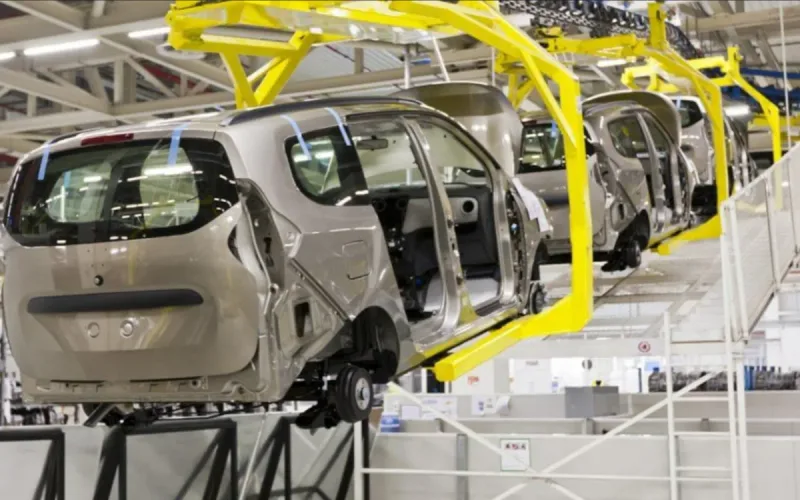
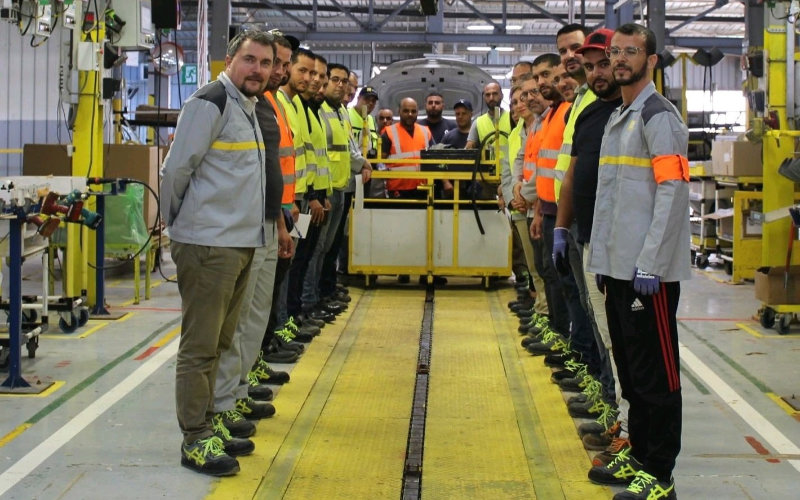
The true strength of the Moroccan model lies in Tangier. The plant, which employs 6,000 people, is the largest automotive unit in Africa and one of Renault’s most competitive sites. It benefits from a rare environment: 87 tier-1 suppliers, an industrial free zone and the Tangier Med port are located in immediate proximity.
This concentration reduces lead times, costs and supply chain disruption risks. Two railway lines even run directly into the plant to transport vehicles to the port. Renault mentions 1,440 trains per year, 290 ships, 26,400 truck trips and nearly 8,000 vehicles shipped each week.
For Thomas Denis, supply chain director of the Tangier plant, this proximity between production, suppliers and port creates a "unique efficiency model in the automotive industry. This is what makes Tangier a textbook case for logistics at Renault.
The group also relies on three control towers, enhanced by artificial intelligence, to monitor supplies, shipments and disruption risks related to strikes, weather or geopolitical crises. In a sector weakened by global logistics tensions, this real-time visibility becomes an industrial advantage.
The Tangier site finally adds an environmental dimension. It covers nearly 90% of its energy needs through wind power and a biomass boiler, while a closed-loop system allows industrial water to be recycled.
On Bladi.net : A Renault mega-factory for electric cars in Morocco?
For Renault, Morocco is therefore no longer just a competitive production base. The kingdom brings together plant, suppliers, port, rail, training, energy and digital management in the same ecosystem. It is this combination that explains Tangier’s place in the automaker’s global organization.