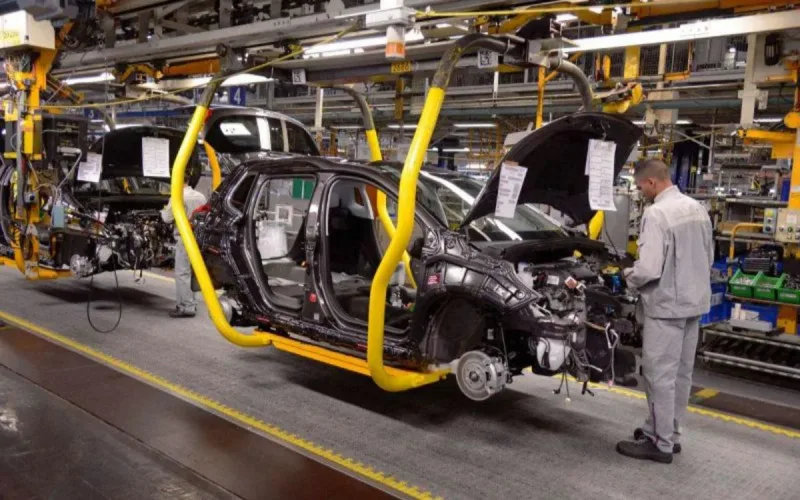
Renault invests in Morocco to produce its future electric and hybrid vehicles
The French car manufacturer Renault is pursuing its expansion in Morocco, with a strategic shift towards electric and hybrid powertrains. This is the full scope of a new agreement it has signed with the Moroccan government.
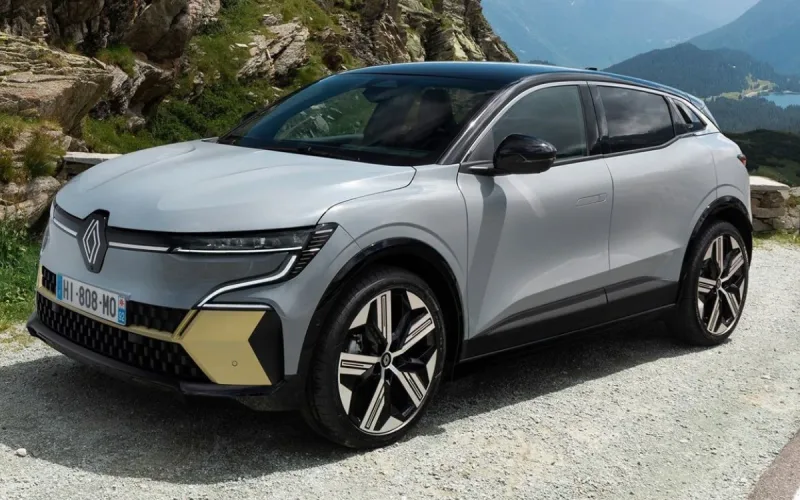
Acceleration for Renault’s activities in Morocco. The French group has signed a new agreement with the Moroccan government. This aims to increase the automotive production of the kingdom, bring the local integration rate to 80% and develop electric and hybrid vehicles. "It is also a question of strengthening Morocco’s position in international automotive export circuits", reports the magazine Finances News Hebdo. In addition to thermal vehicles, Renault is now turning to electric and hybrid powertrains. The changes in the global market, which is becoming increasingly sensitive to climate issues and new environmental regulations, are forcing this. The European Union has indeed put in place an arsenal of tax and regulatory incentives to actively encourage the transition to 100% electric (BEV), hybrid (HEV) and plug-in hybrid (PHEV) vehicles. This initiative is already bearing fruit. Alternative powertrains are booming and now account for more than 62% of global sales as of the end of September 2025.
"This agreement marks a strong mutual commitment to the sustainable development of our industrial ecosystem," says François Provost, CEO of the Renault Group, hailing the quality of the cooperation with Morocco, which he describes as a "constantly evolving historic partnership". According to him, Morocco is asserting itself more than ever as a strategic pillar of the group, thanks to the competitiveness of its industry, the expansion of its production capacities and the hosting of new electrified ranges. For the Minister of Industry and Trade, Ryad Mezzour, Morocco is establishing itself as a competitive and decarbonized industrial base of the first rank. "This exemplary partnership with the Renault group opens up promising prospects, aligned with the developments in the global automotive sector," he added.
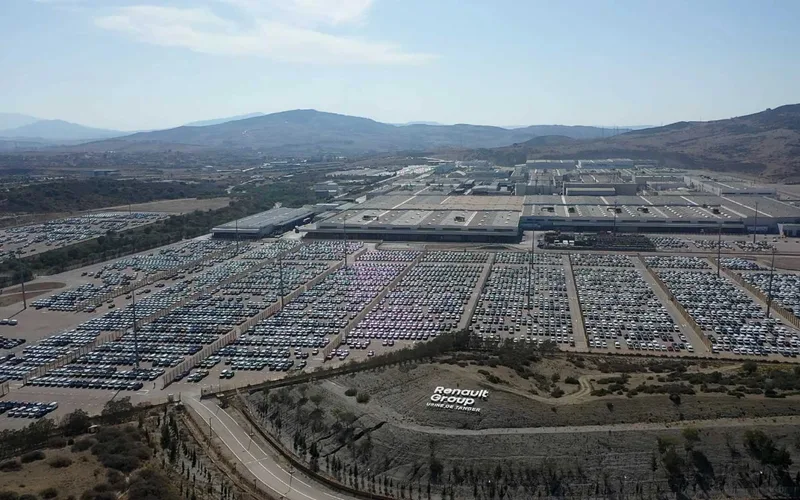
Renault’s new commitments are fully in line with its ambitions, in particular that of bringing its sourcing volume to 3 billion euros, by stimulating the creation of new industrial sectors, particularly those dedicated to the manufacture of batteries and charging stations. With the new agreement, Renault’s annual vehicle production capacity on its Moroccan sites will increase from 500,000 to 750,000 units by 2030. The local integration rate, currently estimated at 60%, should reach 80%.