Morocco loses billions, MREs to the rescue
Morocco ends the year 2025 with a striking economic paradox. While the trade deficit is dangerously widening, weighed down by massive imports, the Kingdom is weathering the storm thanks to record tourism revenues and the unwavering strength of remittances from Moroccans living abroad.
The latest figures from the Office of Foreign Exchange, as of the end of November 2025, depict a two-speed economy. On the one hand, the trade balance of goods has turned deep red: the deficit has worsened by 20.4% to reach the abyss of 328.8 billion dirhams. Imports have soared by 9.2% (752.3 billion), while exports are struggling to keep up with a meager increase of 1.8%. While phosphates have regained their role as the locomotive (+13.8%), pillars such as the automotive (-3.1%) or textile (-4.7%) sectors are stagnating, revealing the fragility of the industrial fabric.
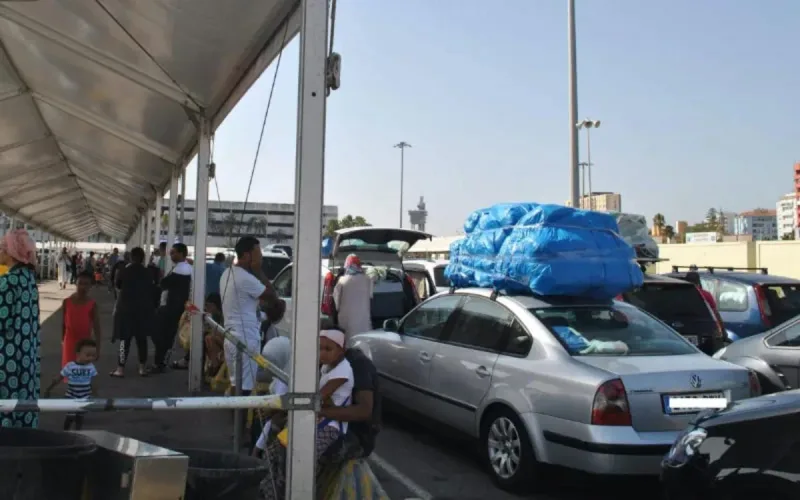
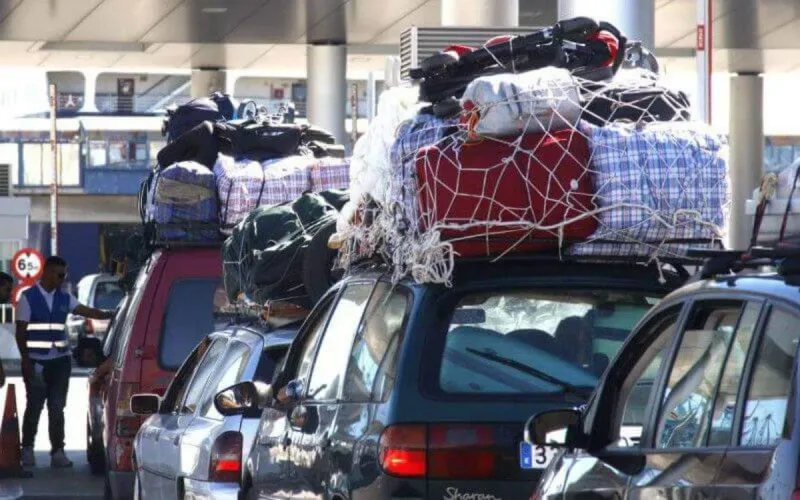
Fortunately, salvation comes from services. Tourism and MREs are playing their role as a "safety valve" more than ever. Travel receipts have exploded by 18.7% to reach 124.1 billion dirhams at the end of November, a figure that should continue to rise with the "Africa Cup of Nations" effect on the December statistics. At the same time, Moroccans residing abroad continue to inject vital liquidity into the national economy, with remittances totaling 111.5 billion dirhams. Thanks to these performances, the services balance shows a comfortable surplus of 147 billion dirhams, allowing it to absorb part of the trade shock.
Nevertheless, experts call for vigilance. It is considered very risky to rely solely on this windfall. For specialists, the urgency is to transform these financial flows into productive investments and accelerate local industrialization to reduce dependence on imports. While foreign direct investment (FDI) is up 16.4%, a sign that Morocco remains attractive, the structural imbalance of the trade balance requires deep reforms to avoid jeopardizing growth in 2026.