Renault Morocco Factory: Local Integration and Sustainability Strategy
Renault benefits from major advantages to produce its vehicles in Tangier. In return, Moroccan authorities impose strict rules, particularly on local integration and the environment, to strengthen this national industry.
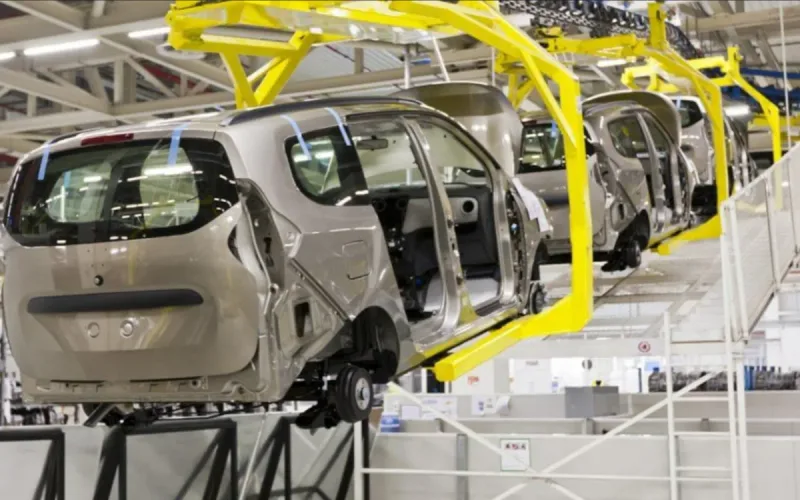
In exchange for dedicated infrastructure and tax incentives, the State demands firm commitments from Renault. The manufacturer is required to purchase a large portion of its components from suppliers based locally in order to stimulate employment. While an initial agreement set this threshold of local parts at 40% in 2016, conditions have since tightened. A new contract signed at the end of 2025 by Chief Executive Officer François Provost now targets 75% local integration, representing a supply volume of 3 billion euros, compared to 2 billion in 2023.
On Bladi.net : Renault invests in Morocco to produce its future electric and hybrid vehicles
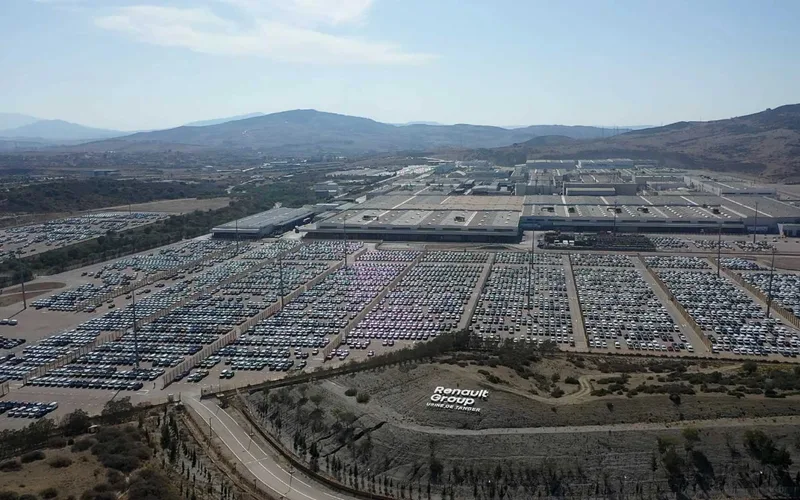
Government requirements also concern sustainable development. Built on virgin land spanning 300 hectares near Melloussa, the Tangier plant aims to be exemplary in addressing water stress and draws 90% of its energy consumption from renewable sources, thanks to biomass and wind power. "Tangier is our first low-carbon assembly plant," notes Cléa Martinet, head of sustainable development for the group, in the pages of Le Figaro. To support these operations, an exclusive railway line transports five trains of 240 cars daily to the port of Tangier Med.
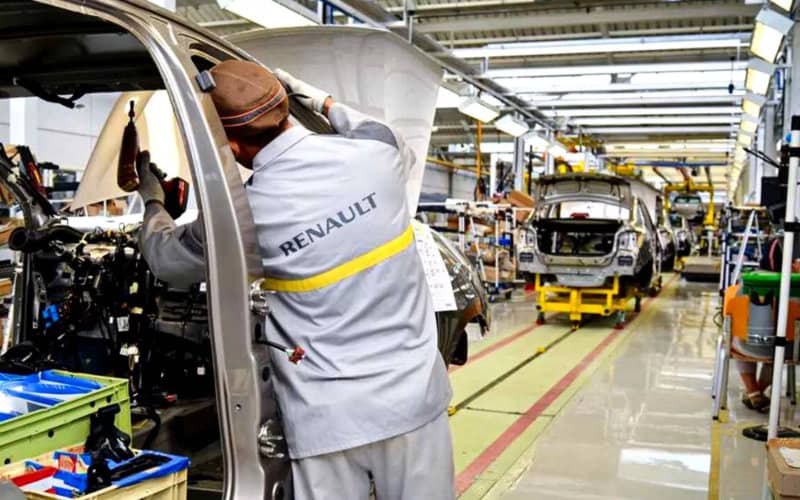
This logistical synergy then enables 95% of production to be exported by ship to Algeciras, Spain. With 6,000 employees working six days a week, the site operates at full capacity to assemble 60 vehicles per hour. Last year, 299,400 units were manufactured there, primarily Dacia Sandero and Jogger models, whose electrified versions are gradually entering the production line. The French manufacturer has thus propelled the local automotive industry to the top rank in Africa, with one million units assembled globally over the past year.
On Bladi.net : Renault signs a strategic agreement in Morocco to produce its future electrified models
To make its strict conditions acceptable, the Moroccan market offers hourly wage costs half those of Romania. Free trade zones also provide significant exemptions from corporate income tax, VAT, and customs duties. This ecosystem is now capturing the attention of Chinese equipment suppliers. Companies such as Gotion Power, Tianyouwei, and Ningbo Gaofa are positioning themselves to benefit from this hub close to Europe, hoping eventually to join the list of suppliers for Renault or Stellantis, established in Kenitra since 2019.