Morocco: Europe's automotive factory?
The historical balance of European automotive production is shifting in favor of Morocco.
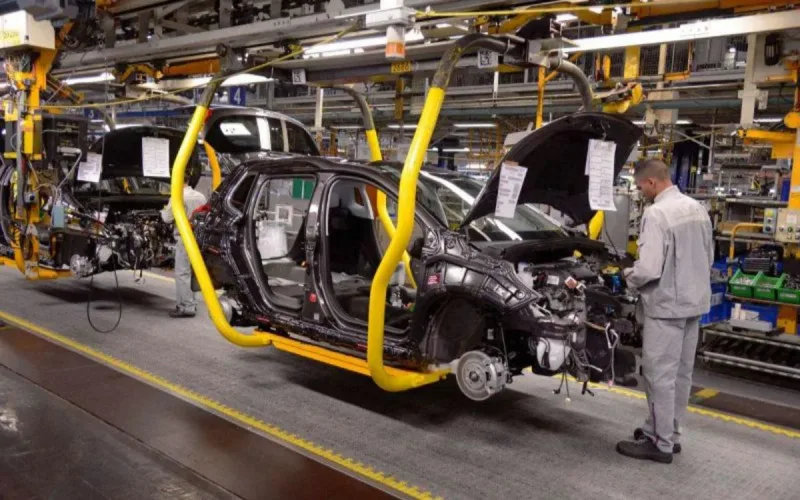
While Spain, traditionally considered the continent’s low-cost factory, is seeing its production slow down with a 6.8% drop in the first half of the year, Morocco is experiencing an unprecedented acceleration. The Kingdom’s production has increased by 36% and is heading towards the one million vehicle mark, now establishing itself as the leading producer in Africa and the fifth largest exporter of passenger cars to the European Union.
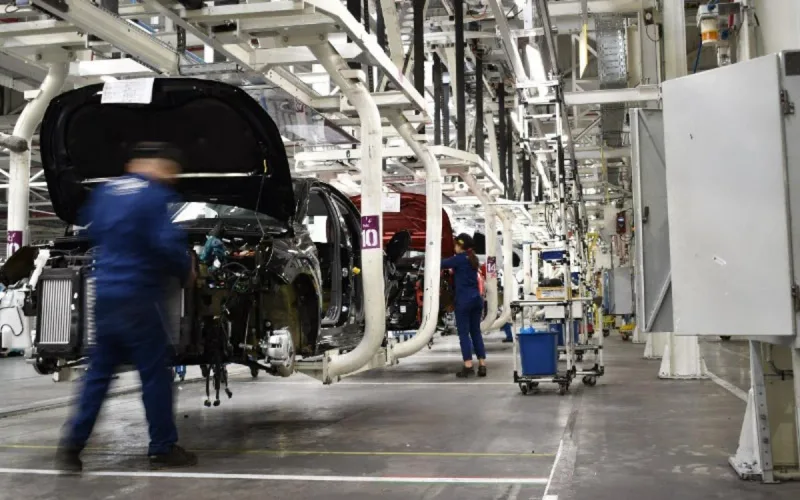
This rise in power is based on an aggressive industrial strategy combining reduced costs and efficient logistics. The competitiveness differential is major: the wage gap allows hiring up to ten workers in Tangier for the cost of one French worker, and the industrial energy bill is significantly lower than in Spain. Morocco has been able to capitalize on these assets by developing a complete ecosystem around the port of Tanger Med, attracting a belt of suppliers and massive investments. Renault has exceeded 400,000 vehicles produced in 2024, while Stellantis has injected 1.2 billion euros into its Kénitra plant to double its capacity to 535,000 units and multiply the production of urban electric models. The country is also positioning itself in the strategic battery sector, attracting Chinese manufacturers thanks to its access to cobalt and its tax incentives.
The relocation of the Citroën C4, a symbol of a change in cycle
The loss of competitiveness of Southern Europe in the face of this new industrial hub has concrete consequences for the Spanish factories. The Spanish sector, penalized by high energy costs and a decline in European demand, is seeing historical models leave its soil. This is the case for the next generation of the Citroën C4 and C4 X which, according to industry sources, will cease to be produced at the Villaverde plant in Madrid to be transferred to Kénitra in 2029.
This movement is seen as a clear signal for the entire industry: if the financial results are better in Morocco, future models will cross the strait. Although a certain complementarity remains, with Spain still supplying engines and gearboxes, the Spanish employers’ organization ANFAC warns that without a reactive industrial policy and a reduction in the energy bill, the country risks losing its status to a neighbor who now aims for 1.4 million vehicles produced in the short term.