
Morocco
Morocco's Economy to Shrink 6.3% in 2020, Rebound Expected in 2021
The Moroccan economy is expected to contract by 6.3% before rebounding by 4.7% in 2021. This is the scenario envisaged by Bank Al-Maghrib.

The Moroccan economy is expected to contract by 6.3% before rebounding by 4.7% in 2021. This is the scenario envisaged by Bank Al-Maghrib.
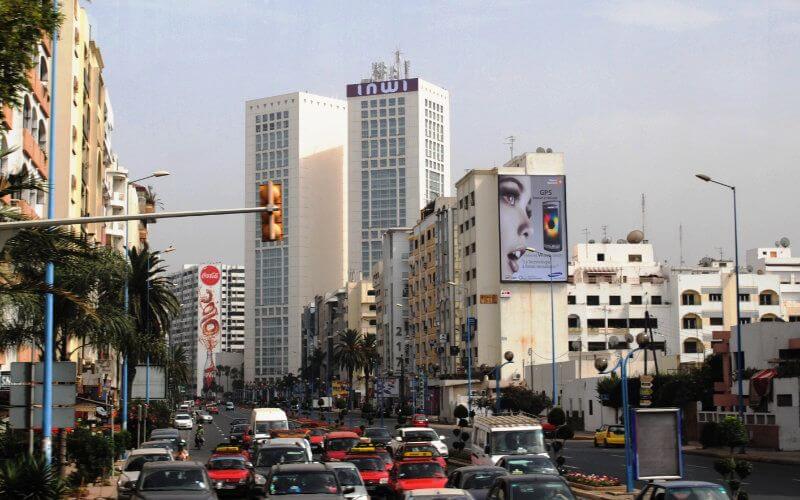
The American firm Mercer unveiled its 26th annual report on the most expensive cities to live in for the year 2020 on Wednesday, September 2. It is Casablanca that occupies the 121st place, making it the most expensive city in the Maghreb.
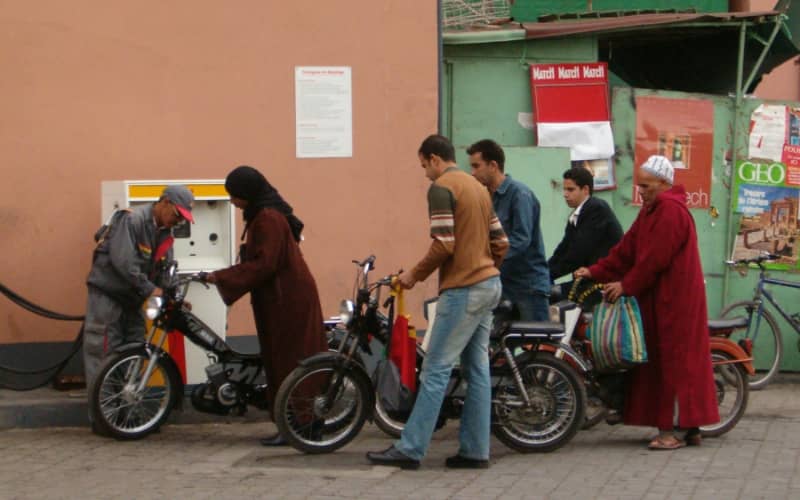
According to the High Commission for Planning (HCP), fuel prices soared by 8.1% in the month of June. In general, the consumer price index fell by 0.3% between May and June 2020.
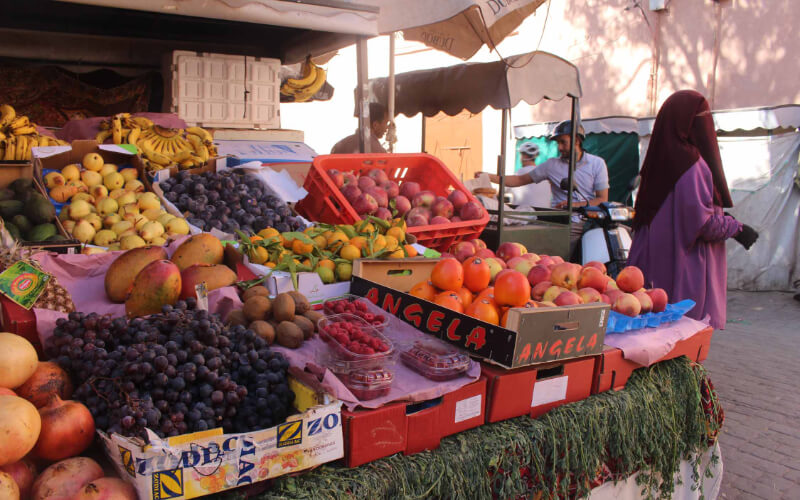
According to the High Commission for Planning (HCP), the consumer price index (CPI) recorded, during the month of June 2020, a decrease of 0.3% compared to the previous month.

A survey, published this Monday, January 20 by the High Commission for Planning (HCP), shows a flagrant pessimism of Moroccan households in 2019, in the face of unemployment, the cost of living and their savings capacity.
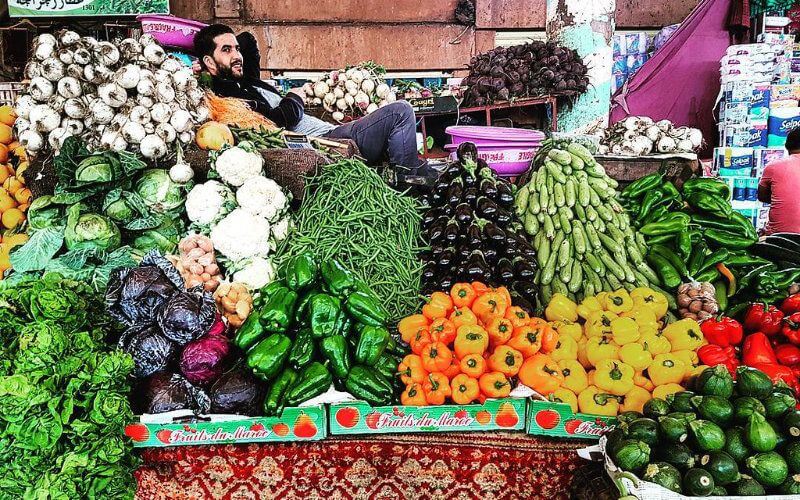
Morocco is ranked among the most expensive countries in North Africa, according to a report by Numbeo, the world’s largest collaborative online database.
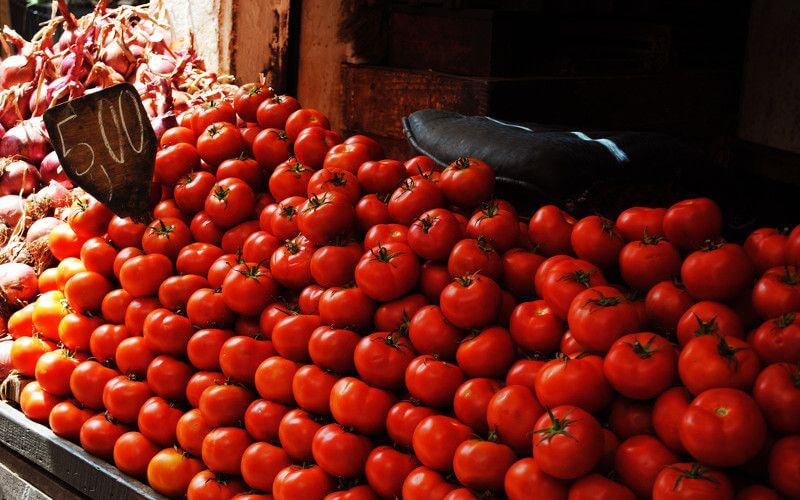
The cost of living remains high in Morocco . This is indicated by the report of the High Commission for Planning (HCP).
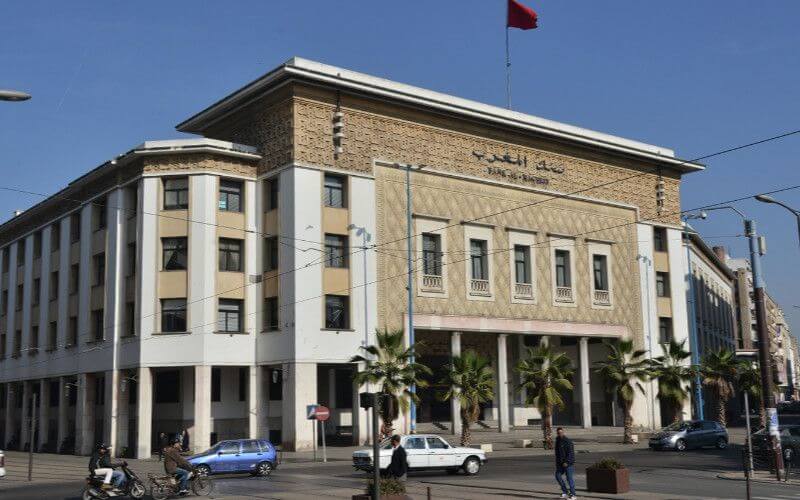
In replacement of the former REPO market reference rate, Morocco is now adopting the Moroccan Overnight Index Average (MONIA). The publication of this new monetary benchmark index, updated on a daily basis, was made by Bank Al-Maghrib on January 2nd.
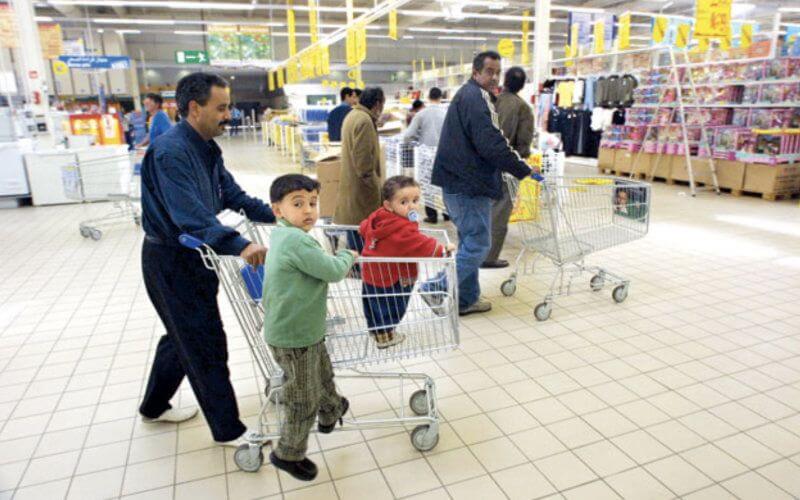
The results of the business climate note from the High Commission for Planning (HCP) among Moroccans have just been published. This confidence index reports a deterioration in the standard of living of Moroccan households.

Morocco has just outperformed other countries in terms of quality of life for expatriates. It thus finds itself in the fifth place of the countries of the Middle East and North Africa.

For the month of July 2019, the consumer price index recorded a 0.8% drop compared to June. This variation can be justified by the 2.0% drop in the food products index and 0.1% in the non-food products index.
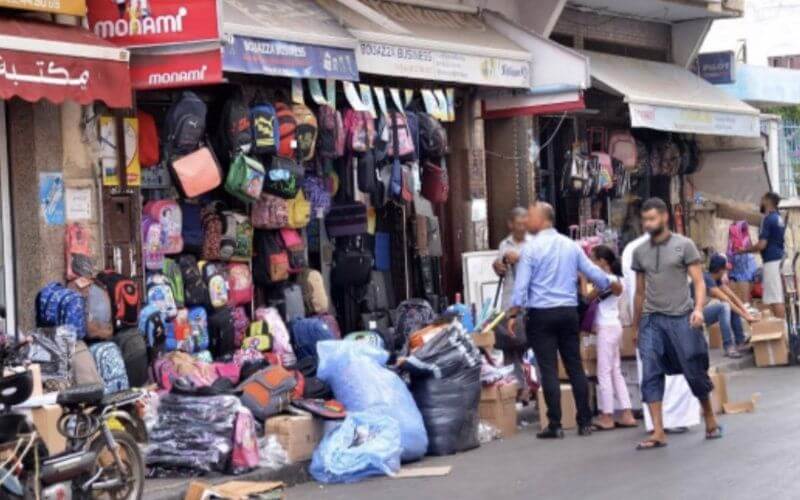
Modest families are struggling to bear the burden of expenses related to certain occasions, even less so when they occur at the same time.