Morocco
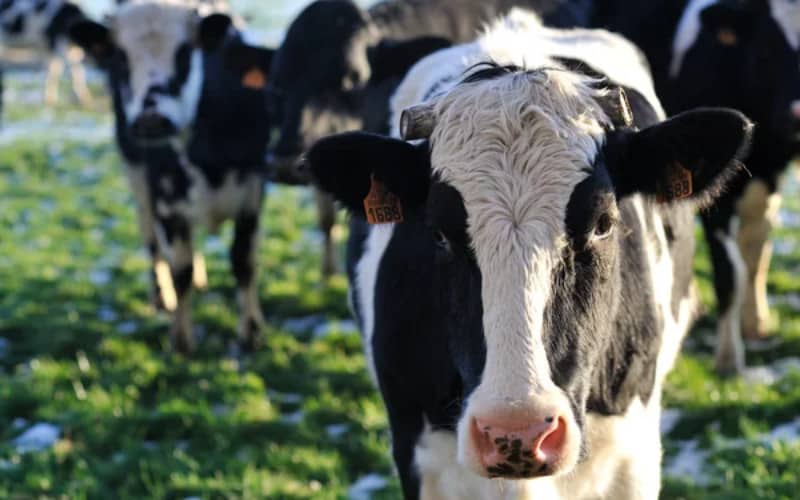
Morocco Suspends Import Duties on Heavy Cattle to Boost Beef Supply Amid Drought
The Moroccan government has adopted a draft decree on the abolition of customs duties on the purchase of domestic cattle weighing at least 550 kg.

The Moroccan government has adopted a draft decree on the abolition of customs duties on the purchase of domestic cattle weighing at least 550 kg.

In order to allow Moroccans to have access to health services, the government is considering reviewing the taxation on medicines and health products. Mechanisms are being developed to reduce the VAT on the import of these products, starting in 2023.
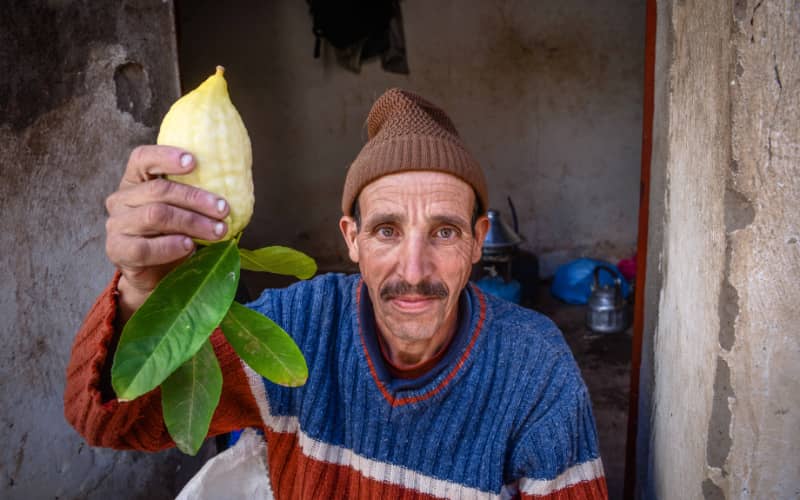
For the celebration of the Sukkot holiday this year, Jews in Israel will use Moroccan etrogs. A large quantity of this fruit has been shipped to Israel, due to restrictions related to Jewish law and thanks to the normalization of relations between the two countries.
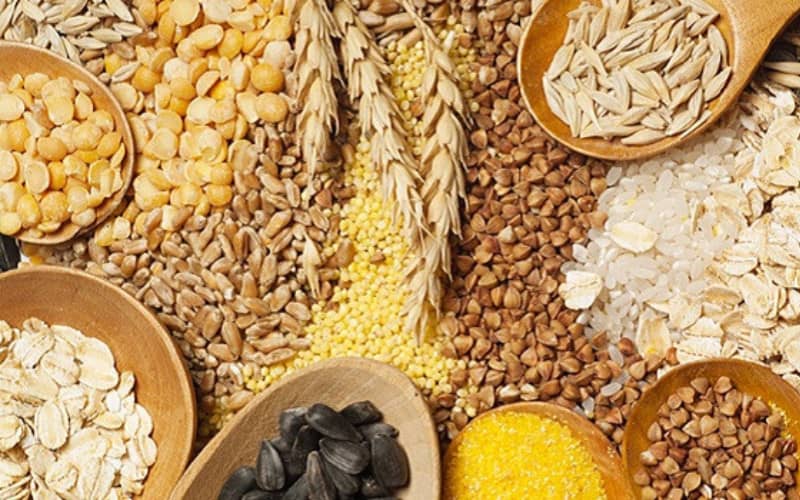
Cereal production is down sharply due to drought. This is an opportunity quickly seized by French producers who say they are ready to make up for the deficit in the Moroccan market.
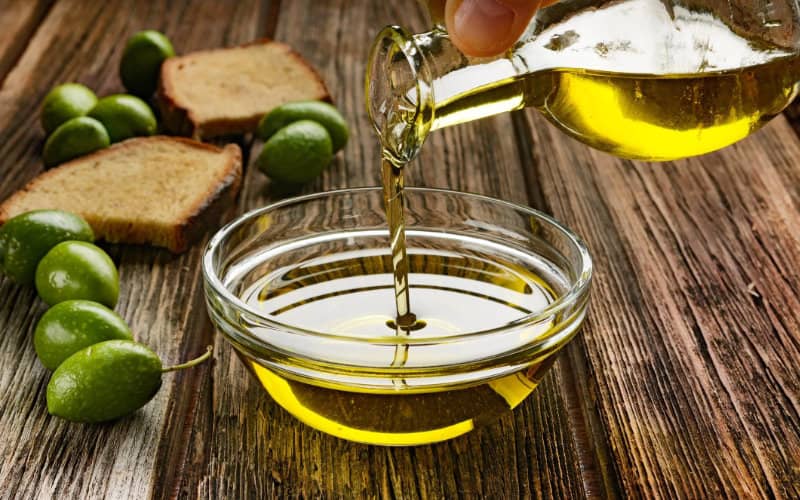
The Spanish government and producers fear a shortage of olive oil due to drought. To address this situation, the country could opt for an increase in its imports from Morocco.
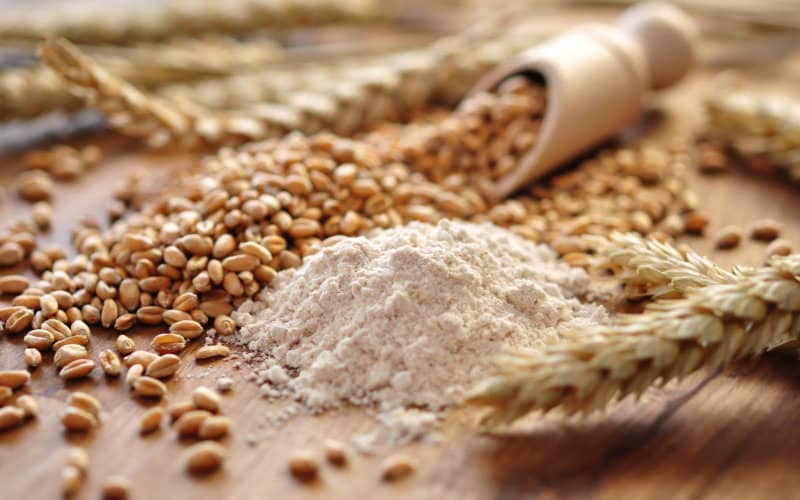
Morocco could import up to 5 million tons of cereals this 2022-2023 season. The kingdom is pursuing its strategy of diversifying supply sources in a tense climatic context.
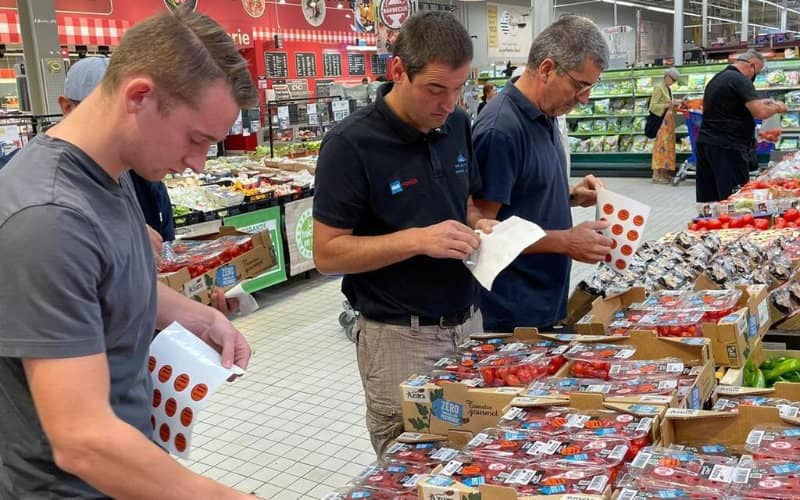
Moroccan tomatoes are highly prized on the French market to the point of defying all competition. A breakthrough that is causing difficulties for French producers who are calling for limiting its imports.

In Morocco, car sales fell at the end of August due in particular to the lack of availability of models.
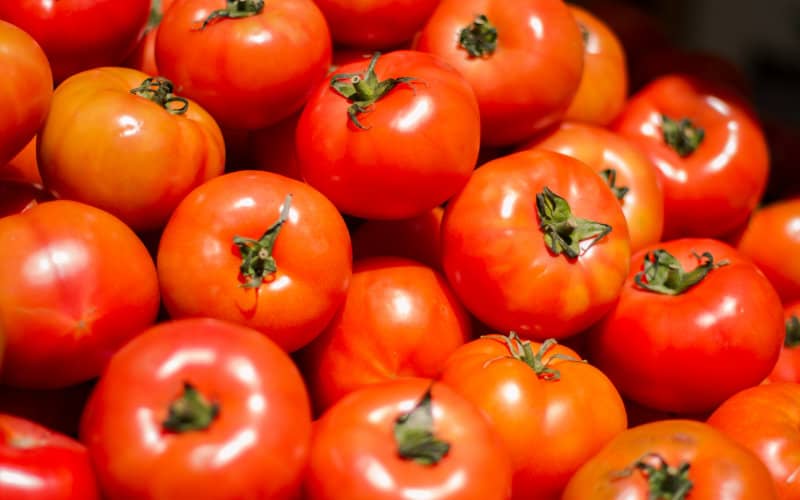
The growth of Moroccan tomato exports to the EU is worrying Spanish producers, who are calling for a "policy to improve competitiveness".
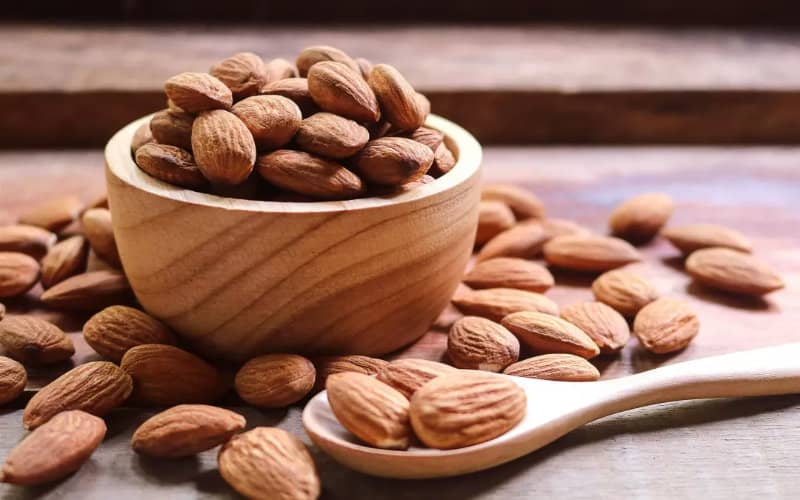
American almonds imported by Morocco have been infected with salmonella. Their recall has been initiated.
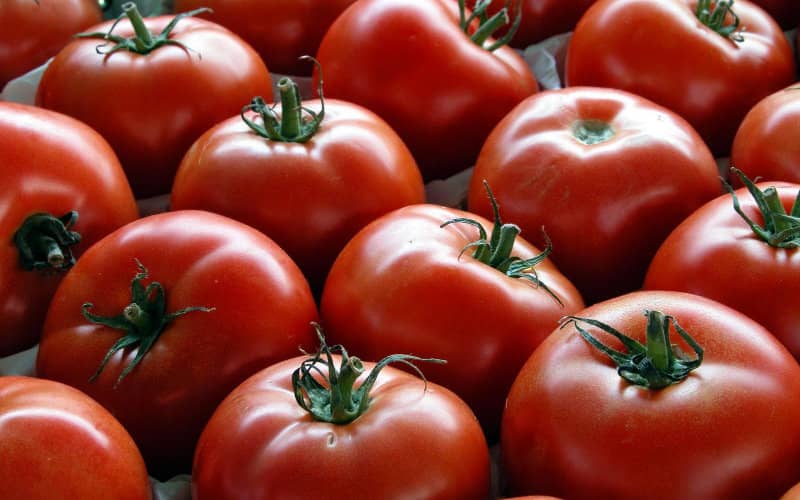
Spain imported a total of 178.16 million kilos of tomatoes in 2021, nearly half (45.34%) of which came from Morocco, according to data from the Estacom statistical service.
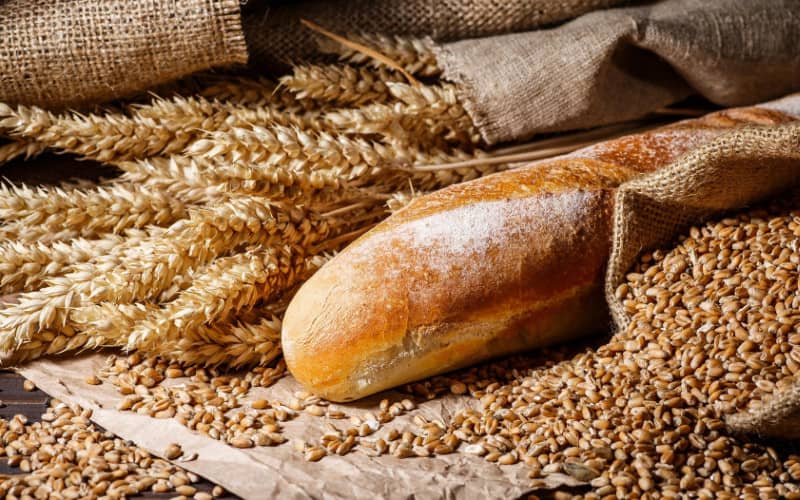
In its policy of diversifying wheat supply sources, due to the war in Ukraine, Morocco could turn to the United Kingdom. The country is positioning itself as one of the alternative suppliers.