Spain
Stranded Moroccan Workers Face Dire Conditions in Ceuta Amid Border Closure
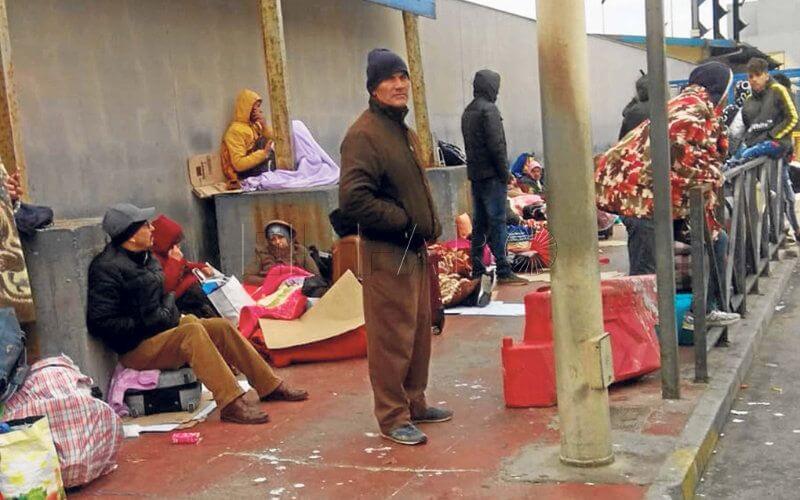
Confined in a sports center, about fifty Moroccan cross-border workers, stranded in Ceuta, say they lack everything, even hygiene measures.

Confined in a sports center, about fifty Moroccan cross-border workers, stranded in Ceuta, say they lack everything, even hygiene measures.
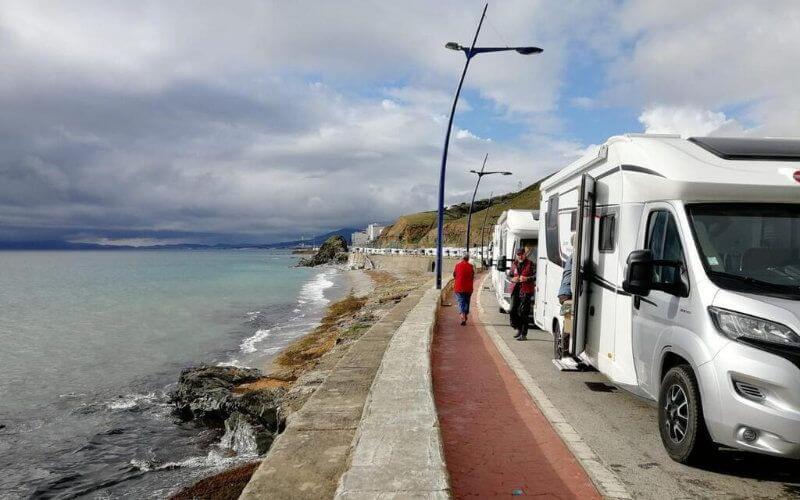
In the absence of a repatriation proposal, it was decided to transfer the over 500 camper van travelers and their occupants stranded in Bab Sebta to Ksar Sghir.
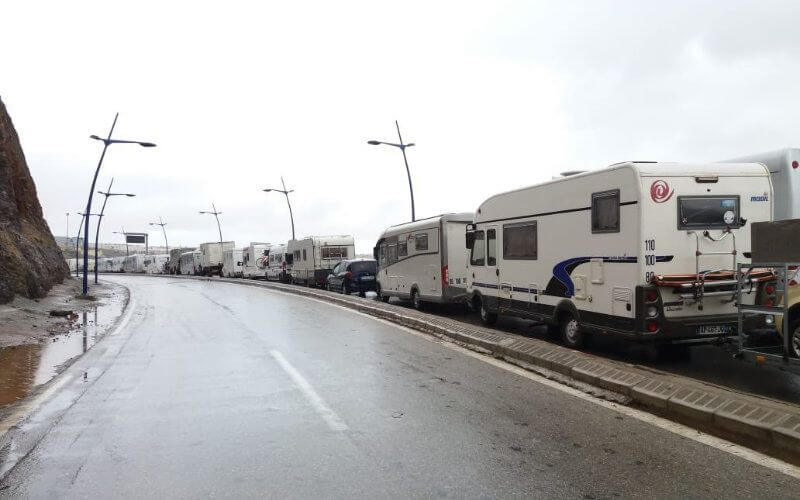
Hundreds of motorhome tourists have been blocked since Sunday at the gates of Ceuta . The reason is the closure of the borders between Morocco and Spain.
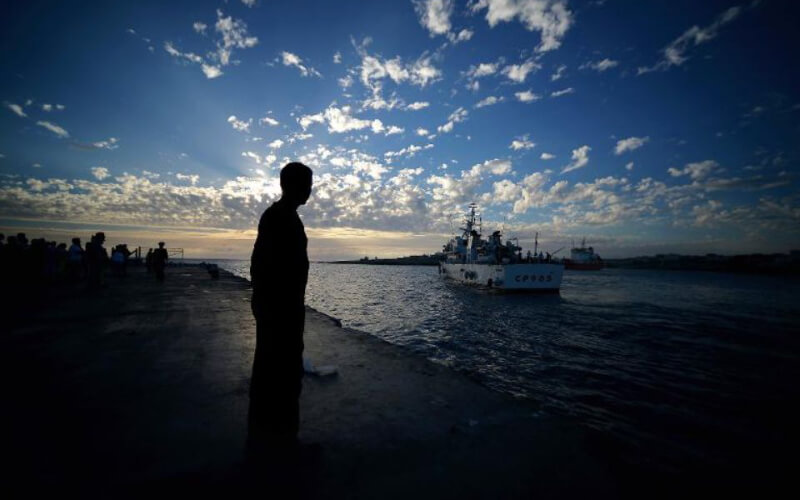
While the border with the city of Ceuta has been closed, four young Moroccans braved the sea to return to the country. However, they were arrested upon arrival at their destination.
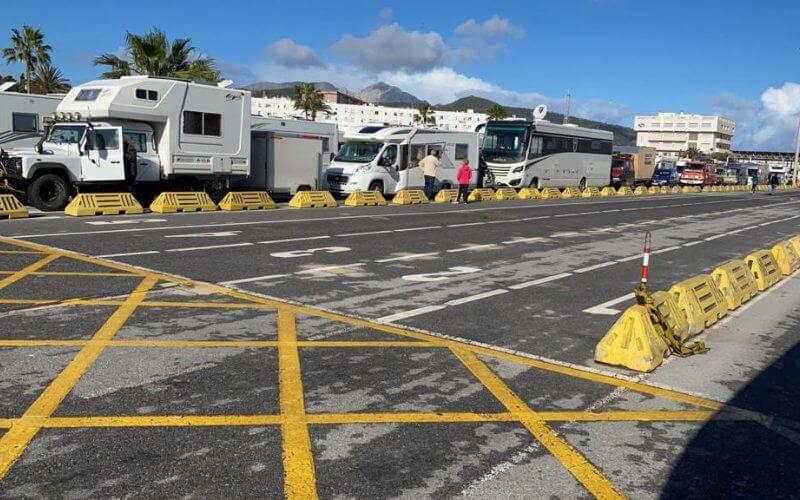
Many European campers stranded in Morocco will be able to return home. The Sebta border crossing was reopened this Saturday, March 21, 2020 in the morning.
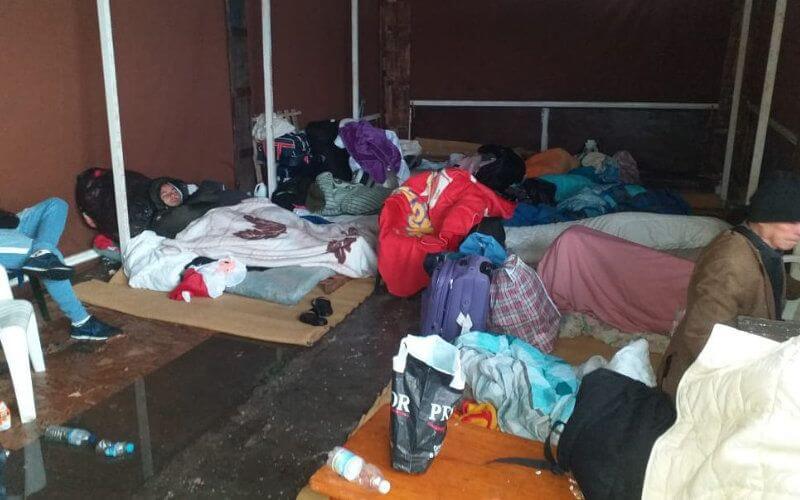
The Moroccan Association for Human Rights (AMDH) urges the Head of Government Saâdeddine El Otmani to urgently work on the repatriation of Moroccans stranded in Ceuta. They find themselves in an untenable situation.

The state of alert announced by the Spanish government following the spread of the Coronavirus pandemic has sharpened the fangs of populist formations. The leader of the Spanish far-right party Vox has called for the repatriation of thousands of Moroccans in an irregular situation in the country.
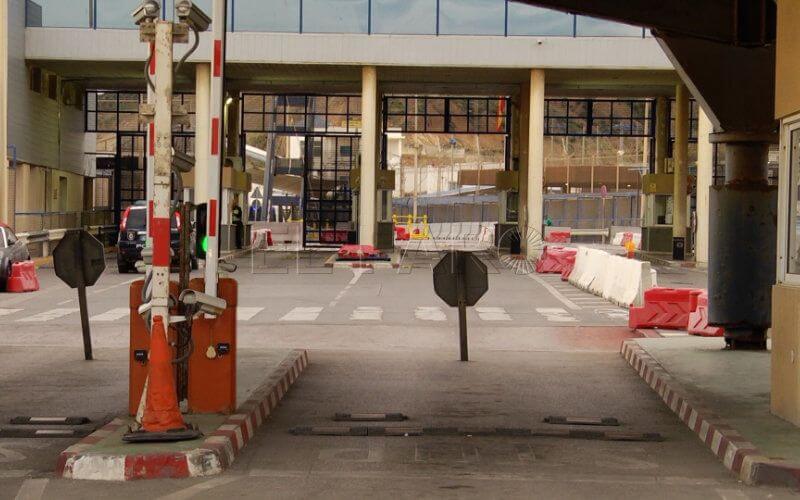
Morocco closed its borders with the Spanish enclaves of Ceuta and Melilla early this Friday morning to prevent the spread of the coronavirus.
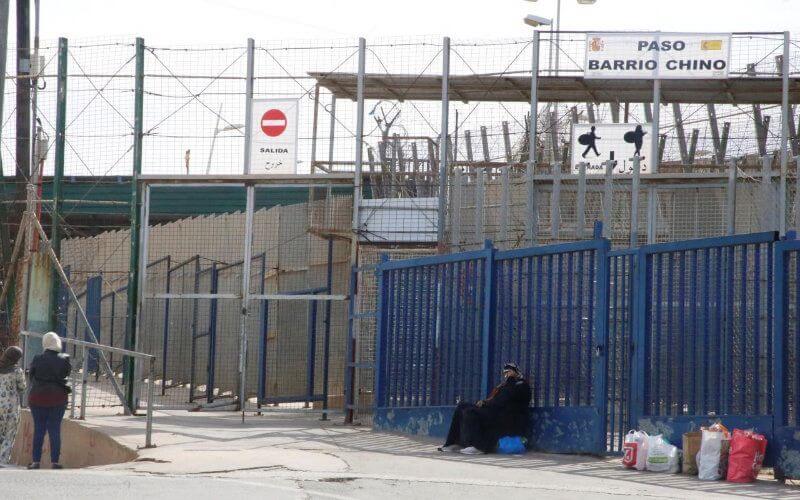
After deciding on Thursday, March 12, to suspend all air and sea links with Spain due to the coronavirus, Morocco has exceptionally planned to open two border crossings on Friday evening.

A 65-year-old individual was apprehended in Bab Sebta on Thursday for his alleged involvement in an attempted drug and psychotropic trafficking case.
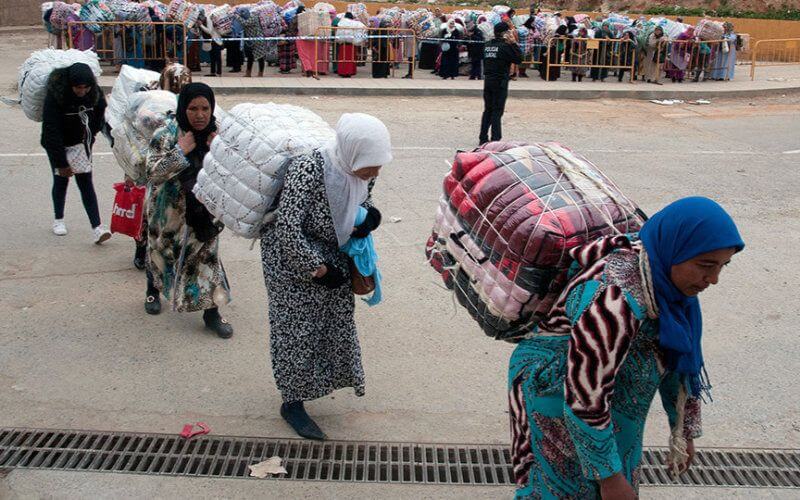
The closure of the Ceuta border crossing, by unilateral decision of Morocco, is already having a negative impact on the Moroccan population. About 3,000 goods carriers (mule women) find themselves unemployed due to the decline in trade in the town of Fnideq, as well as in the Spanish enclave.

Two Spanish nationals of Moroccan origin were killed in a high-speed chase with police in the Mediterranean. They were transporting drugs on a boat that also contained two other individuals.