Morocco
Severe Drought Threatens Morocco's Olive Harvest, Climate Change Impacts Agriculture
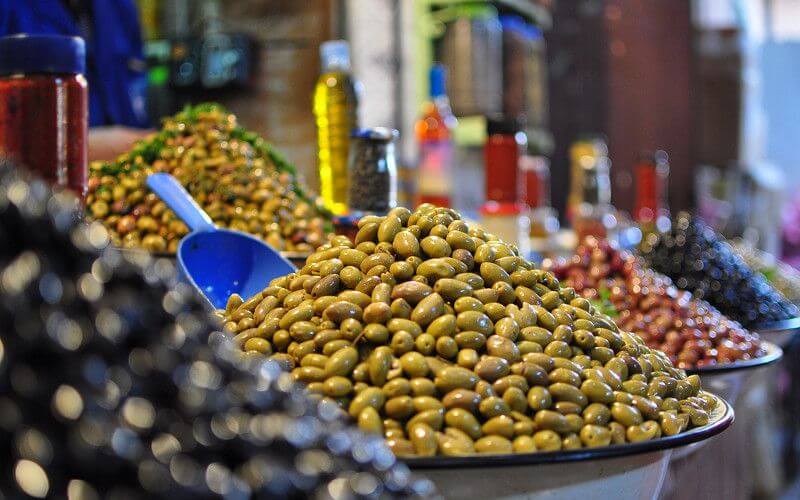
The next olive harvest in Morocco is very threatened due to the severe drought affecting the kingdom.

The next olive harvest in Morocco is very threatened due to the severe drought affecting the kingdom.
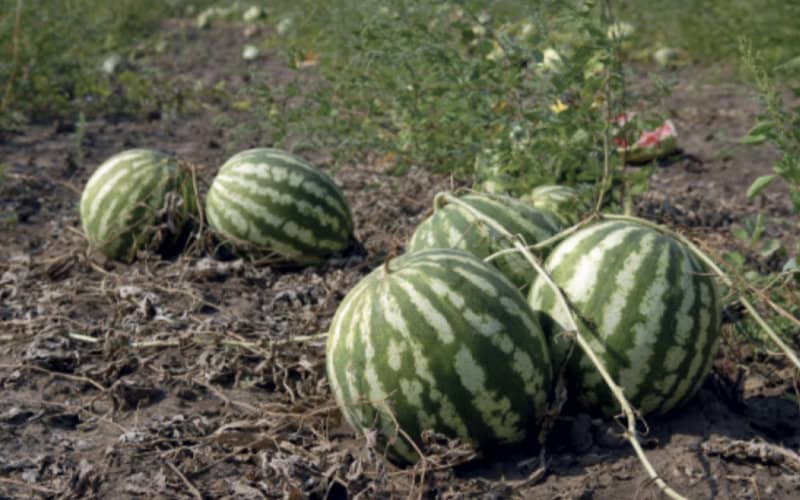
In this period of severe drought and risk of water stress in Morocco, the Maroc environnement 2050 movement is calling for the "immediate cessation" of the cultivation of certain fruits such as avocado and watermelon, which are depleting groundwater.

The issue of drinking water supply management was the subject of a meeting chaired by the Head of Government, Aziz Akhannouch.
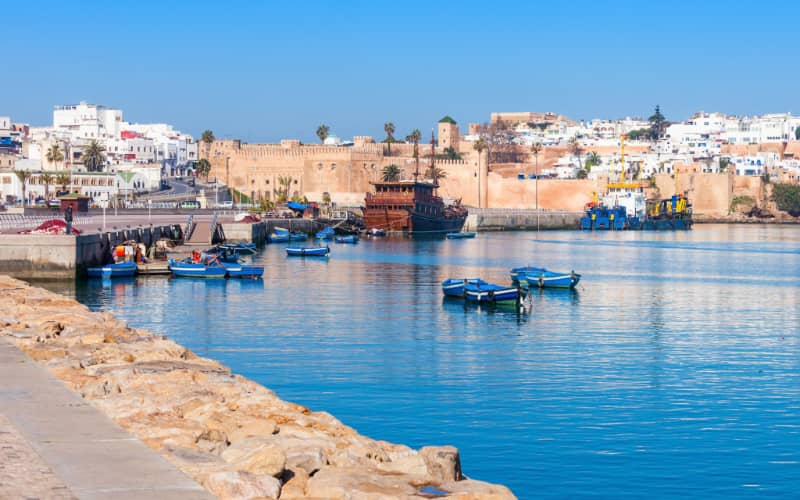
Aquatech Maroc, a subsidiary of the Canadian-based Aquatech International group, was selected at the end of the selection process for the company that will be responsible for the management and operation of the facilities and structures of the treatment unit for the discharges from the Bouregreg treatment plant.
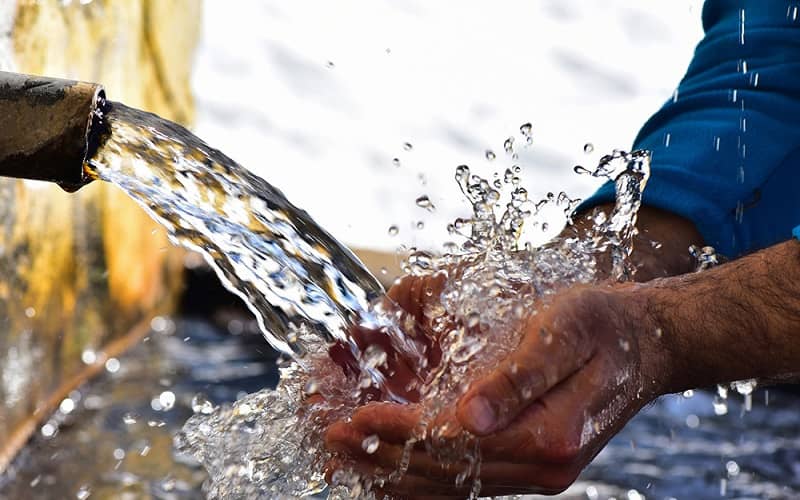
Failure to comply with measures taken against water waste during these times of severe shortage can be costly. In Rabat, several citizens who have boycotted these measures will have to face the consequences.

This week in Rabat and Salé, several car wash garages have been closed by the authorities, as part of the fight against the waste of drinking water, launched to deal with the water stress facing Morocco .

Following the latest directives from the Ministry of the Interior, a relentless fight against water waste is underway to address the water stress caused by the drought that Morocco is experiencing. Several car wash garages have already been closed in Salé and Rabat.
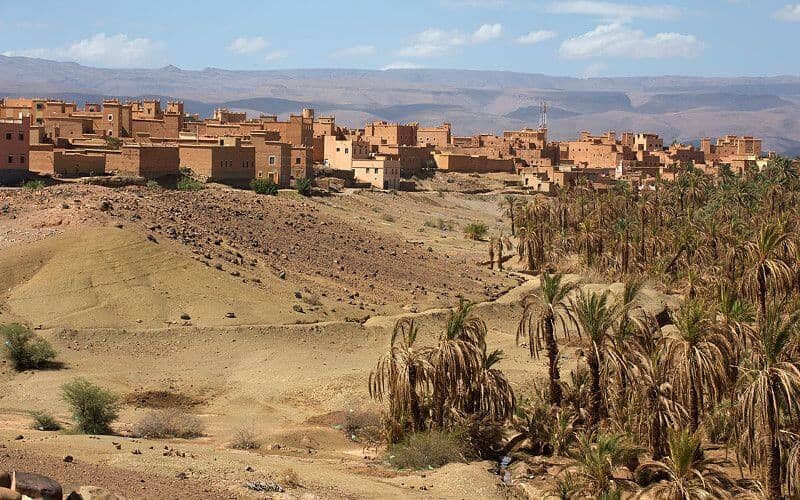
Morocco is threatened by "water stress", regular rainfall deficits and drought, the World Bank has warned, stressing that these factors will have a "serious" long-term impact on the kingdom’s economy.
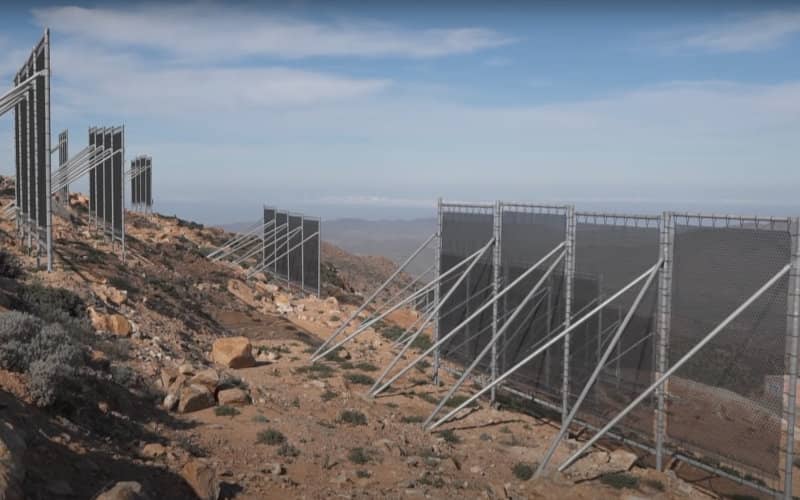
In Morocco, a woman has developed a rather brilliant idea to avoid water shortages in a region of the kingdom affected by repeated droughts.
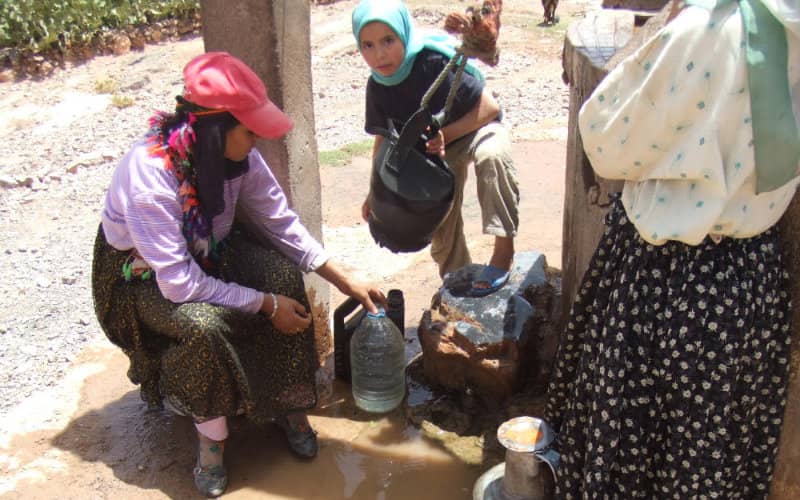
Faced with the persistence of the situation related to the supply of drinking water experienced by some rural populations, officials in the northern region of Morocco have sounded the alarm, calling for urgent measures to avoid the worst.
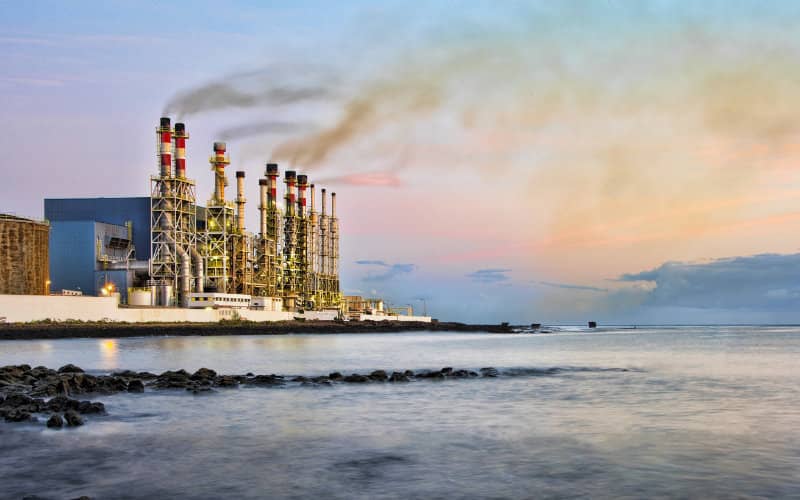
The seawater desalination plant installed in Laâyoune as part of strengthening the national drinking water supply will soon be operational.
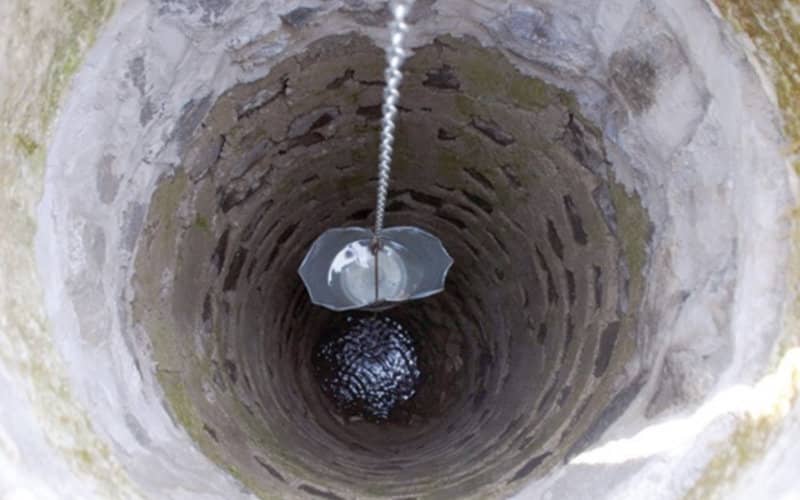
The data from the census and control of wells, launched following the death of little Rayan are now known. More than 90% of the wells on Moroccan territory are not authorized.