Over One Million Jobs at Risk in Morocco
Artificial intelligence is poised to disrupt Morocco’s labor market. By 2030, more than one million jobs could disappear. Facing this technological shock, the country suffers from a major training deficit to support this transition.
The transformation promises to be brutal. According to a report released Wednesday by the African Center for Strategic Studies and Digitalization (CAESD), artificial intelligence will profoundly reshape value chains. By 2030, approximately 4.6 million positions will be impacted. While 180,000 digital jobs could emerge, 1.5 million functions will face direct pressure, resulting in a net negative balance estimated at 1.32 million workers. This trend is expected to worsen by 2035 with a projected net loss of 2.45 million positions, driven by increasingly advanced robotization.
On Bladi.net : The hard blow for France that is shaking an entire sector in Morocco
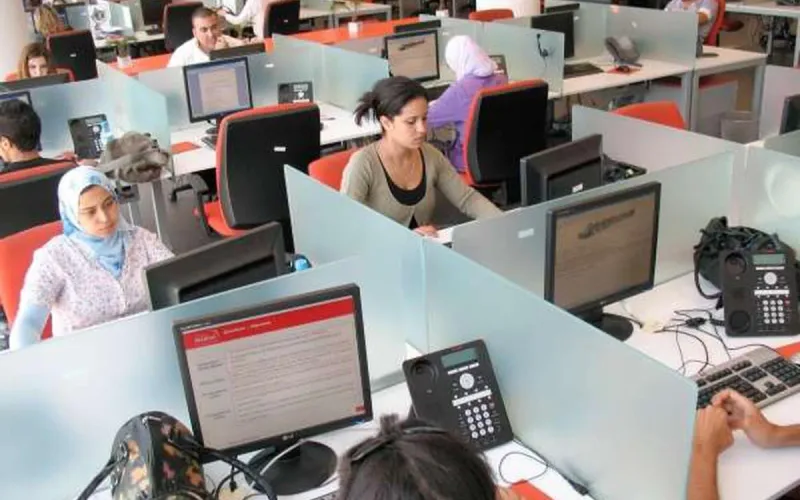
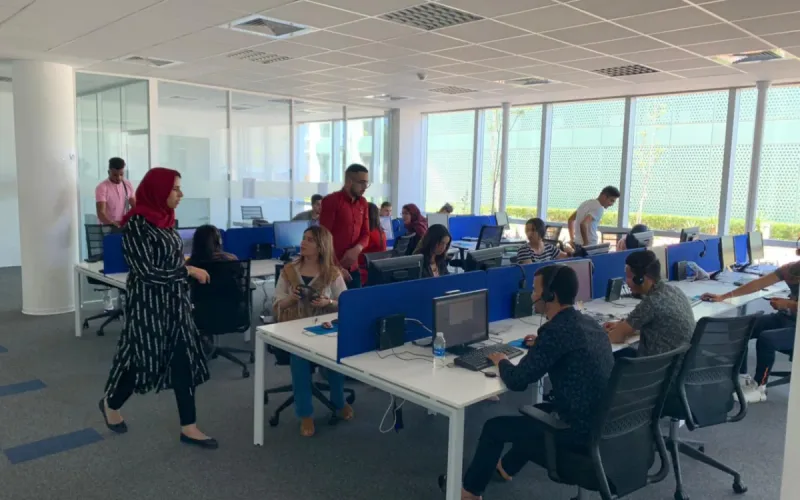
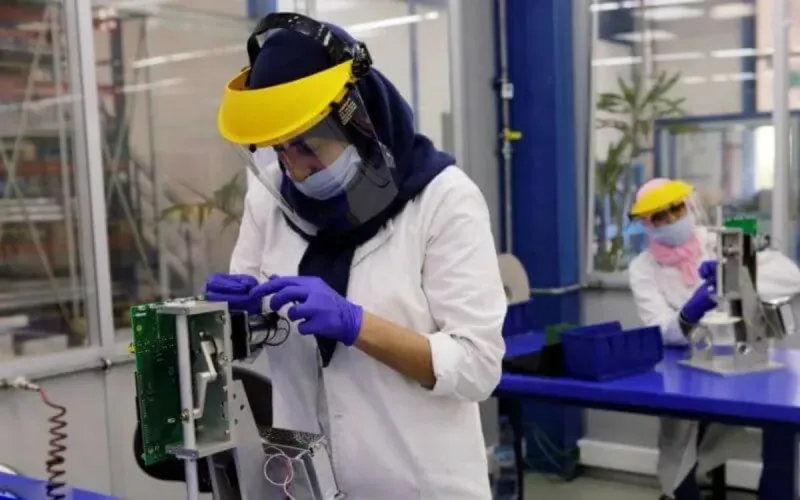
This technological wave will massively target standardized cognitive and administrative tasks. Business process outsourcing (BPO) activities face the greatest exposure to change with nearly 30% risk, followed by banking and insurance (22%), the automotive industry (15%), and textiles (14%). Socially, women will see up to 400,000 of their positions threatened. Young people are also penalized by the erosion of entry-level jobs, a critical situation as unemployment already affects 37.2% of those aged 15-24. The study notes that education level no longer offers absolute protection, with 17% of graduates finding themselves vulnerable to these new tools.
To address this urgency, the education system is struggling to adapt. Currently, the kingdom trains barely 22,000 digital profiles annually, far short of the 250,000 to 480,000 annual retrainings deemed necessary by the end of the decade. This gap widens the major imbalance between business needs and available market skills. Technology integration is further complicated by the fact that 67.6% of Morocco’s active workforce operates in the informal sector, drastically limiting their access to continuous training and more stable employment.
On Bladi.net : A French law threatens 50,000 jobs in Morocco
To prevent a social crisis and continued reliance on low-productivity tasks, experts recommend national engineering based on targeted short-term training, as well as strengthened social protection mechanisms. The goal is to enhance entry-level functions and create a sovereign technological ecosystem: "AI Made in Morocco." This vision aligns with the orientations of an UNFPA white paper presented in Rabat by Cornelia C. Walther and Aawatif Hayar, a strategic document advocating for massive human investment and ethical data governance in service of inclusive development.