A French law threatens 50,000 jobs in Morocco
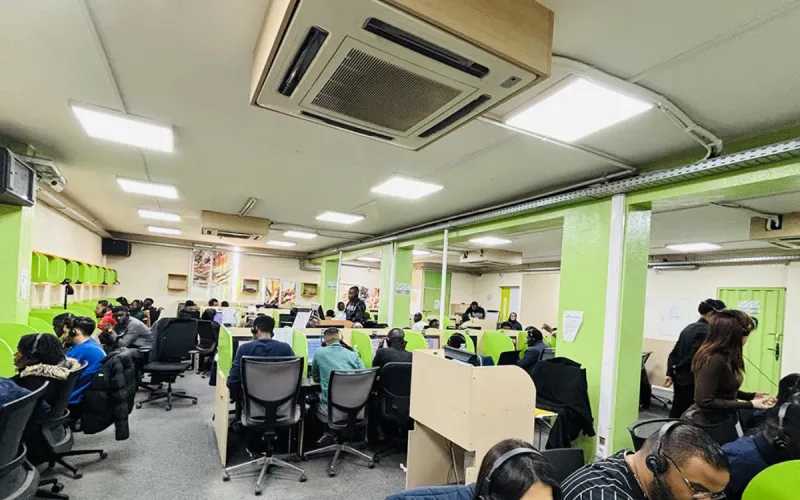
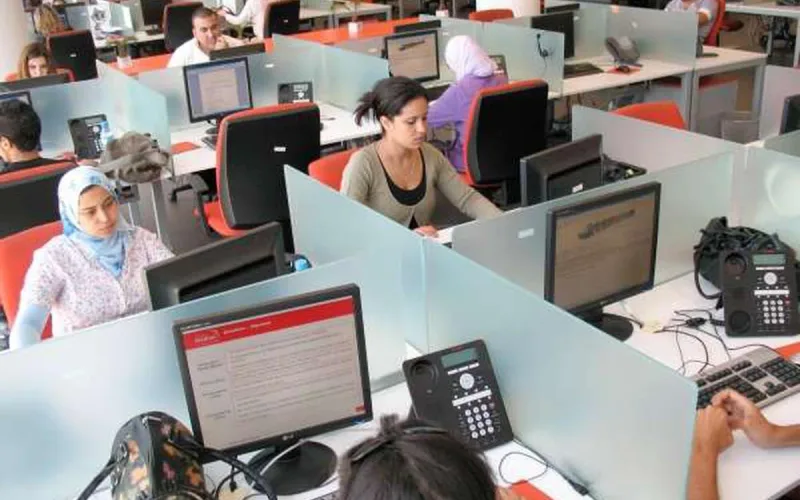
A new French law restricting telephone canvassing will threaten nearly 50,000 jobs in call centers in Morocco. This pillar of offshoring fears a major social crisis in the absence of anticipatory measures by the authorities.

The Moroccan offshoring sector is going through an unprecedented period of turbulence. Ayoub Saoud, Secretary General of the Federation of Call Centers, is alarmed by the imminent repercussions of French legislation banning telephone canvassing without prior consent. With nearly 80% of national activity oriented towards the Hexagon, tens of thousands of employees could find themselves unemployed as early as this summer.
On Bladi.net: A French law threatens 50,000 jobs in Morocco
Scheduled for August, this regulation imposes drastic financial penalties that can reach 375,000 euros for non-compliant companies, or about 20% of their annual turnover. According to Al Ahdtah Al Maghribia, this legislative tightening targets commercial prospecting, but could in turn paralyze other functions such as technical support or administrative services, impacting the entire value chain.
The concern is spreading to major cities like Casablanca or Tangier, but also to more modest agglomerations. The sector suffers from a structural opacity linked to the informal economy, making it difficult to accurately count the potential victims. Many workers risk losing their fundamental rights, as some employers have already begun to close their facilities without paying severance pay to the affected employees.
Professionals deplore a lack of responsiveness from the public authorities despite repeated alerts for several months. Ayoub Saoud describes this inertia as "worrying", even evoking a threat to the country’s economic sovereignty in this strategic export-oriented sector. No concrete strategy has yet been deployed to cushion the social shock that is expected to be devastating for Moroccan youth.
To limit the damage, the Federation recommends an urgent census of companies and mobilization of large groups benefiting from public subsidies to support fragile SMEs. This crisis must force a revision of the current model. Supporting the most exposed structures becomes an absolute priority to avoid a cascade of bankruptcies in the coming months.
On Bladi.net: A new French law threatens thousands of jobs in Morocco
In the longer term, the sector must absolutely diversify and invest in human capital to survive the rise of artificial intelligence. Strengthening training is essential to adapt skills to the new digital professions. This transition, although complex, remains the only way to ensure the sustainability of the Moroccan offshoring ecosystem in the face of international regulatory changes.