ONCF debt nears 49 billion dirhams after jumping by 3 billion in six months
ONCF’s financial debt increased by more than 3 billion dirhams in six months, approaching 49 billion. This increase accompanies Morocco’s rollout of the gigantic railway program planned through 2030.
As of the end of June 2026, the financing debts of the National Railways Office reached exactly 48.955 billion dirhams in the standalone accounts, compared with 45.721 billion at the end of 2025. In just six months, debt therefore increased by 3.234 billion dirhams, or 7%.
In the consolidated accounts, the 49-billion mark was even slightly exceeded: debt reached 49.031 billion dirhams, compared with 45.788 billion six months earlier. The figures appear in the official statement on the results for the second quarter of 2026 published by ONCF with the AMMC.
The Office states that this increase remains “in line with the defined financing strategy and trajectory.” It comes as Morocco rolls out a 96-billion-dirham railway program through 2030, the largest ever undertaken by ONCF.
On Bladi.net : Kénitra-Marrakech High-Speed Rail: One Year In, Construction Accelerates
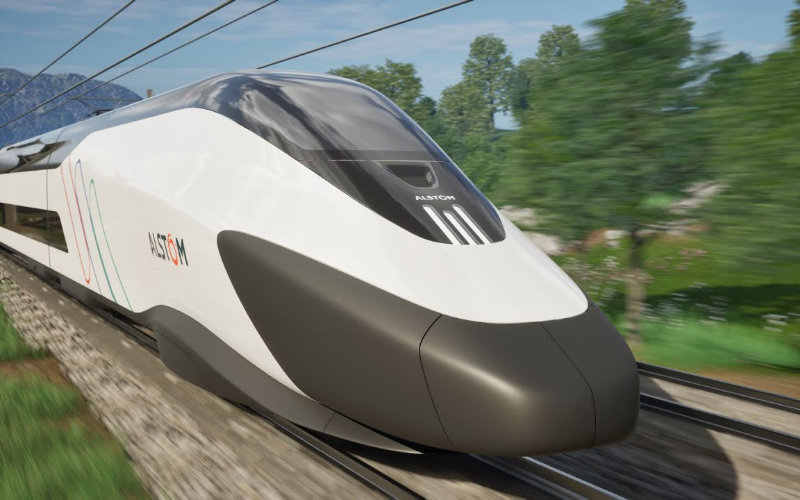
This allocation includes 53 billion dirhams for the infrastructure and equipment of the new Kénitra-Marrakech high-speed line, 29 billion for the acquisition of 168 next-generation trains, and 14 billion earmarked for maintaining performance and modernizing the existing network, ONCF also details in its official presentation of the program.
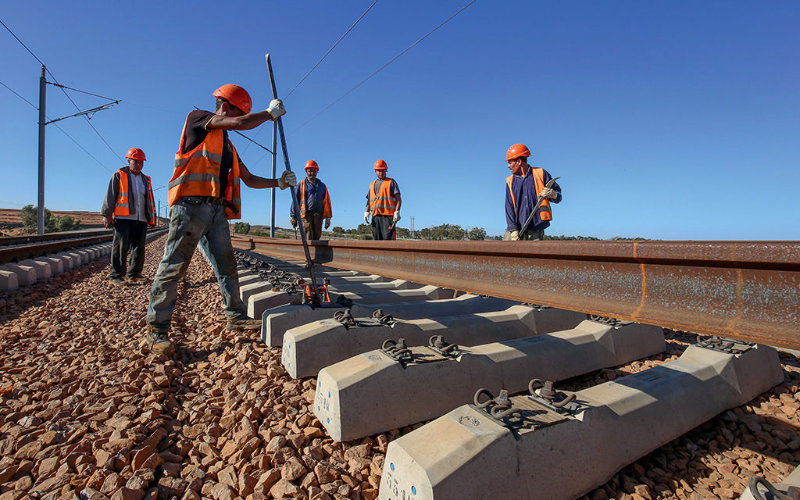
ONCF nevertheless assures that all of its major projects are now “well underway” and are complying with the schedules and commissioning objectives set. Construction of the Kénitra-Marrakech high-speed line has notably entered a particularly intensive phase, with numerous engineering structures, viaducts, new tracks and railway developments currently under construction.
More than 27 million passengers in six months
This increase in debt comes as commercial activity continues to grow. More than 27 million passengers used ONCF trains during the first half of 2026. Passenger activity generated 1.371 billion dirhams in revenue, slightly more than a year earlier.
This performance was achieved despite disruptions caused by bad weather and the numerous works underway on conventional lines, the Office acknowledges.
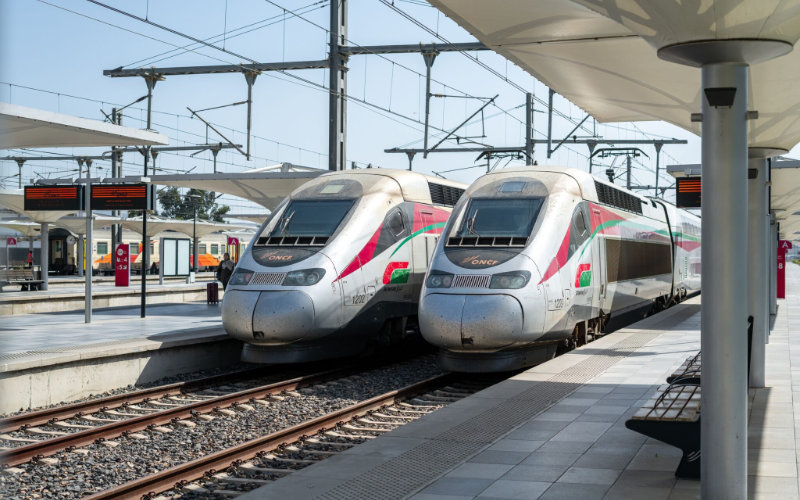
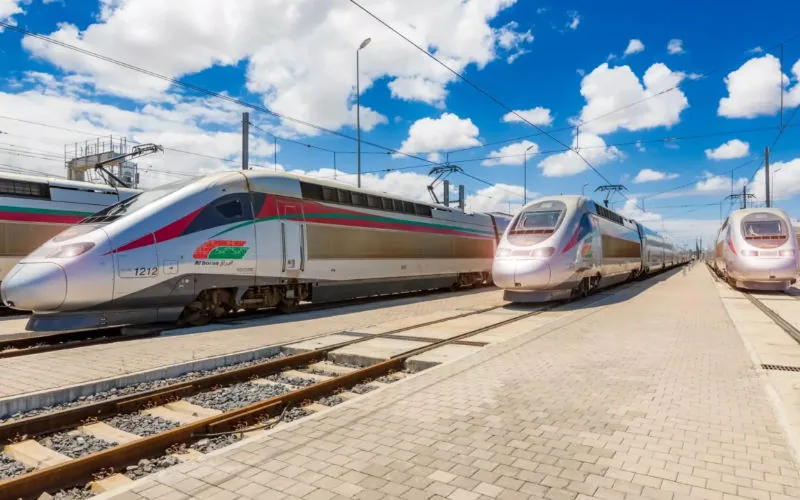
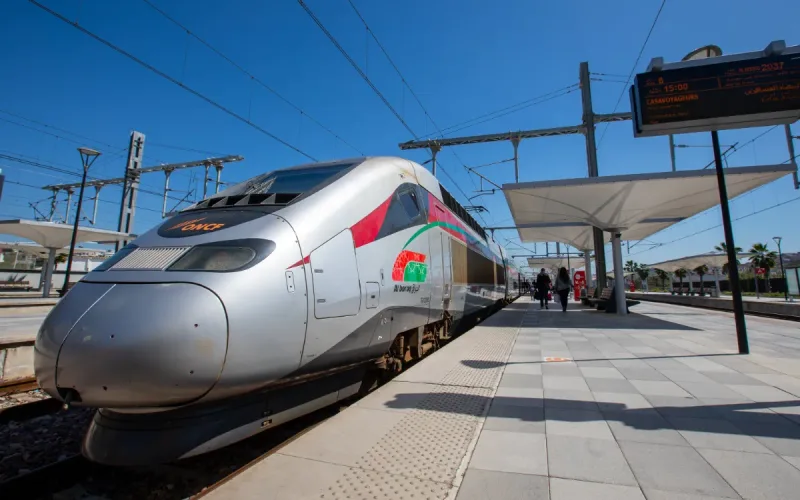
Al Boraq, for its part, continues to record much stronger growth. Nearly 2.8 million passengers used the high-speed train between January and June, 9% more than a year earlier. Its revenue increased by approximately 7%, reaching 408 million dirhams.
These results extend Al Boraq’s financial growth, with its surpluses contributing to financing the development of Morocco’s railway network.
On Bladi.net : Morocco High-Speed Train Kénitra-Marrakech 2030 World Cup
Overall, the Office’s revenue reached 2.476 billion dirhams in the standalone accounts at the end of June. Including its subsidiaries, consolidated revenue amounted to 3.131 billion dirhams, 6% more than the 2.962 billion recorded a year earlier.
ONCF is thus entering a particular financial period: its activity and passenger numbers are growing, while tens of billions of dirhams must be mobilized for the Kénitra-Marrakech high-speed line, the new trains and the transformation of the network. By mid-2026, this acceleration had already brought its financial debt to the symbolic threshold of 49 billion dirhams.