
Moroccan TGV: how the success of Al Boraq will finance your future journeys
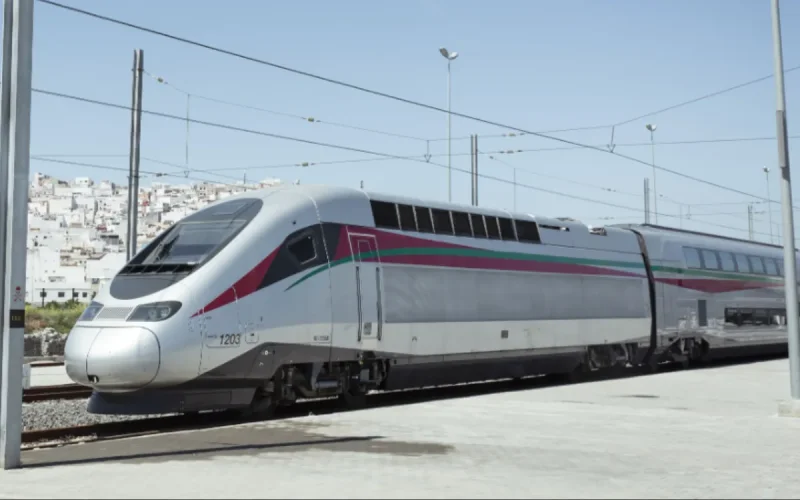
The economic model of the high-speed train Al Boraq shows increasing profitability. Its operating surpluses directly contribute to the financing of the extension of the Moroccan railway network, confirms the Ministry of Transport.
The Minister of Transport and Logistics, Abdessamad Qayouh, specifies in a recent written parliamentary response that commercial revenues largely cover the costs. This dynamic generates a "surplus that contributes to the financing of the infrastructure" and boosts the local economic fabric.
On Bladi.net: Kénitra-Marrakech TGV: a decisive step with the start of track laying
The National Railway Office (ONCF) thus honors all its financial commitments to suppliers, banks and the administration. The tax situation of high-speed operations remains perfectly in order, being fully integrated into the global declarations of the establishment. Commercial revenues up 92%
The success of this structuring project is based on three major axes. The ONCF relies on strict cost control, a flexible pricing policy adapted to the purchasing power of passengers, and the mobilization of sustainable financing on preferential terms.
The privileged use of national skills and clean energies makes it possible to considerably reduce maintenance costs. The ministry adds that this technical approach guarantees a transfer of skills while consolidating the environmental impact of the network.
On an accounting level, the revenues generated by Al Boraq have soared by 92%, evolving from 407 million dirhams in 2019 to 780 million in 2024. These revenues now represent 28% of the global turnover of the passenger activity.
On Bladi.net: New developments for the Kénitra - Marrakech TGV
This commercial vitality is directly reflected in the gross operating result of the railway operator. This financial indicator recorded a strong increase of 95% over the same five-year period, from 995 million to 1.949 billion dirhams.
Related Articles
-
Six stations for 480 million dirhams: the LGV project transforms the Kénitra–Casablanca corridor
17 September 2026
-

“ We do not agree 100% with Israel”: Bourita explains why Morocco maintains its relations
17 September 2026
-
This Rabat neighborhood becomes the second coolest in the world, ahead of Los Angeles and Tokyo
17 September 2026
-
Russia, Iran, Belarus: Hapag-Lloyd imposes a new clause on all its cargo passing through Morocco
17 September 2026
-

Five days to deliver to Morocco a military cable capable of withstanding nearly 1,100 °C
17 September 2026