Morocco to Make Weapons for Its Armored Vehicles, Not Just Assemble Them
Morocco is taking a new step in developing its military industry. Starting in March 2027, locally made turrets will equip the country’s army vehicles. Two factories, Moroccan engineers and plans to export to Europe are driving this expansion.
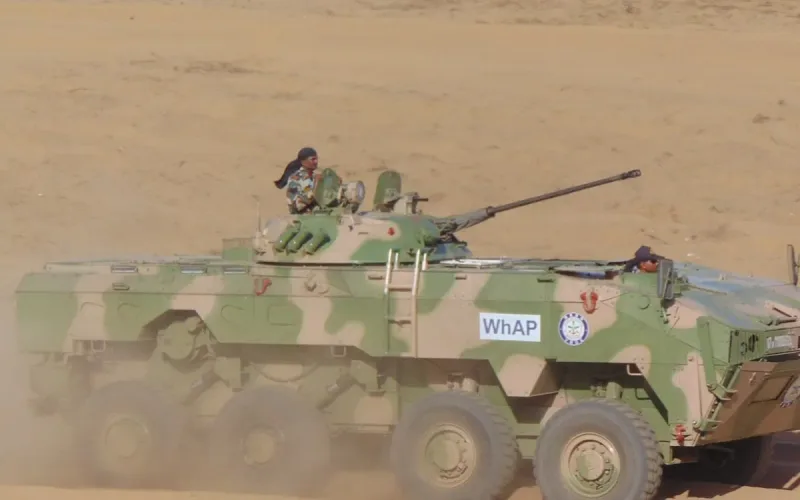
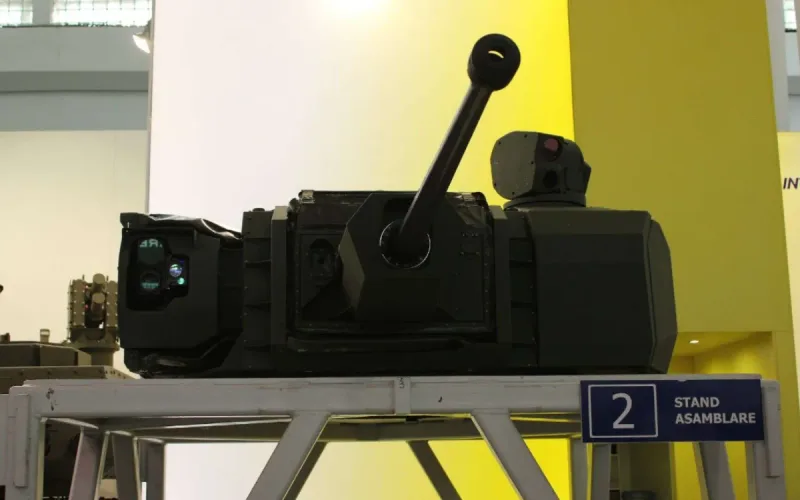
The first equipment will roll off the production line in less than six months. Moroccan Military Industry (MMI), a subsidiary of Israeli group Elbit Systems, plans to deliver its first combat turrets to the Royal Armed Forces as early as March 2027. The announcement was made Thursday, October 8, by its CEO, Kaduri Naor, in an interview with Reuters on the sidelines of the Marrakech air show.
On Bladi.net : Morocco Orders $277 Million Israeli Combat Turrets for WhAP 8x8 Vehicles
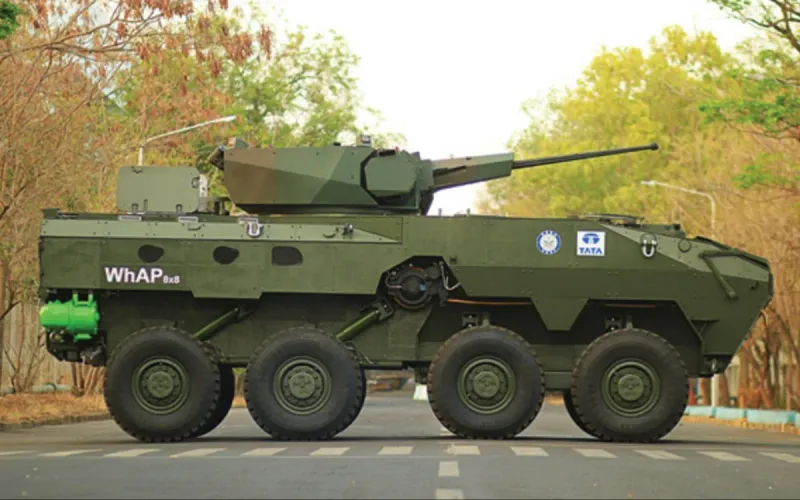
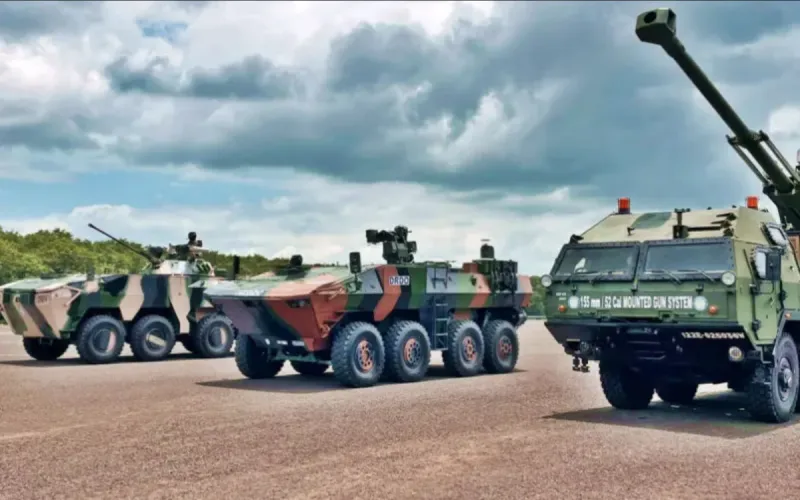
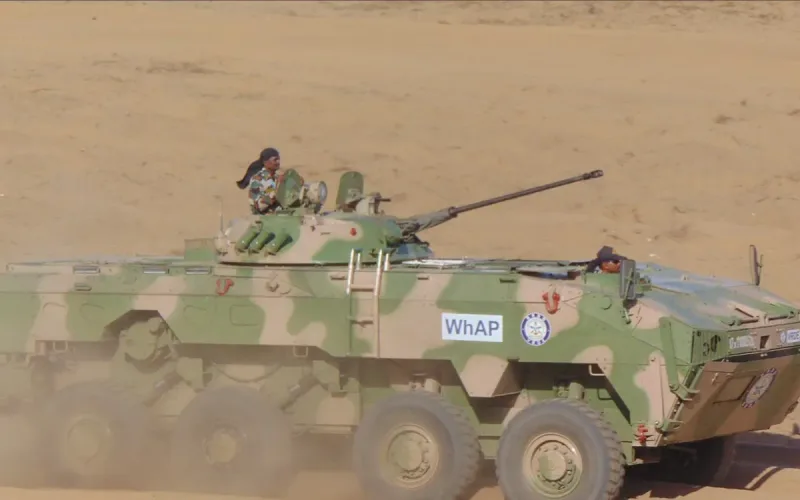
The turrets are intended for Indian company Tata’s WhAP 8×8 armored vehicles, which are already assembled in Berrechid. Until now, Morocco had focused mainly on local production of the vehicles and their initial hulls. It is now turning to their armament, under an agreement that also covers production of the corresponding ammunition.
To do so, MMI has a facility dedicated to weapons systems in the Midparc industrial zone, near Casablanca. A second factory is taking shape in Sidi Yahya, north of Rabat, to manufacture medium- and large-caliber ammunition. The Israeli group is thus transferring some of its industrial activities to Morocco as part of the military cooperation launched between Rabat and Tel Aviv in 2021.
New anti-drone weapon to be made in Morocco
But the company is already working on another piece of equipment. In response to the growing number of cheap drones on battlefields, it is developing a version of its turret designed specifically to intercept them.
“The threat costs very little, while defense systems are more expensive,” Kaduri Naor explains. His company is betting on a lower-cost solution that combines a small radar with ammunition capable of scattering tungsten fragments to destroy an approaching drone. This ammunition will also be produced in Morocco.
A self-propelled mortar system that can be installed on military vehicles is also among the projects. And contrary to the image of a simple assembly plant, MMI says that 99% of its employees, including its engineers, are Moroccan.
The ambition now extends beyond orders from the Moroccan army. Kaduri Naor says the company is preparing exports to a European NATO member. “We will have a European NATO country to export to,” he told Reuters, without identifying the prospective customer.
MMI’s facilities in Morocco are therefore intended to become an industrial base capable of serving the Royal Armed Forces as well as foreign buyers. This prospect would give the kingdom a new place in the production and marketing chains for military equipment.