Morocco-made cars could qualify for “Made in Europe” benefits
Twelve Spanish Socialist MEPs are backing an amendment that could benefit some industrial products made in Morocco. Their proposal seeks to loosen future EU rules for partner countries. Spain’s People’s Party opposes it, fearing an overly broad expansion of industrial aid.
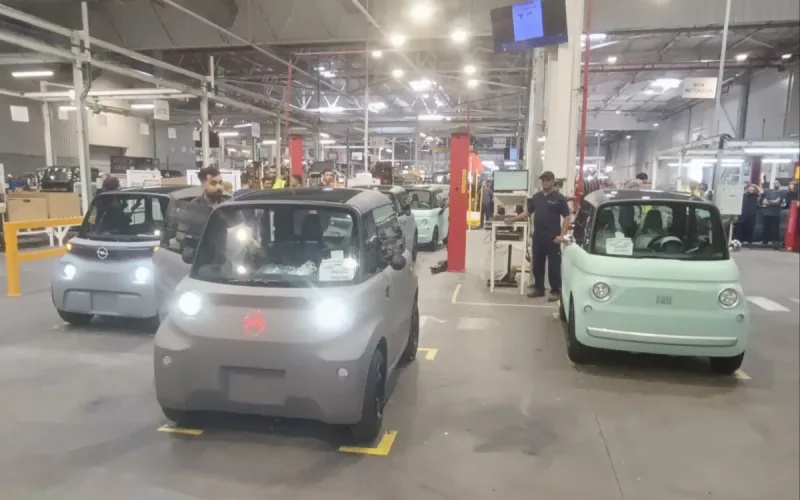
Could cars and components made in Morocco benefit from some “Made in Europe” advantages? That is the issue at stake in an amendment put forward by 12 MEPs from the Spanish Socialist Workers’ Party (PSOE), according to the daily OKDiario on October 15. Their aim is to secure more favourable treatment for products, services and investments from countries with trade ties to the European Union.
On Bladi.net : UK Could Get EU Car-Making Benefits, but Morocco Is Left Out
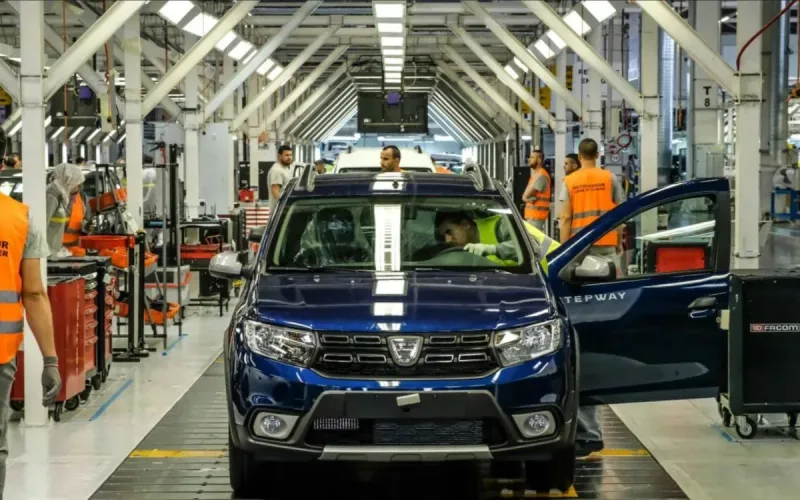
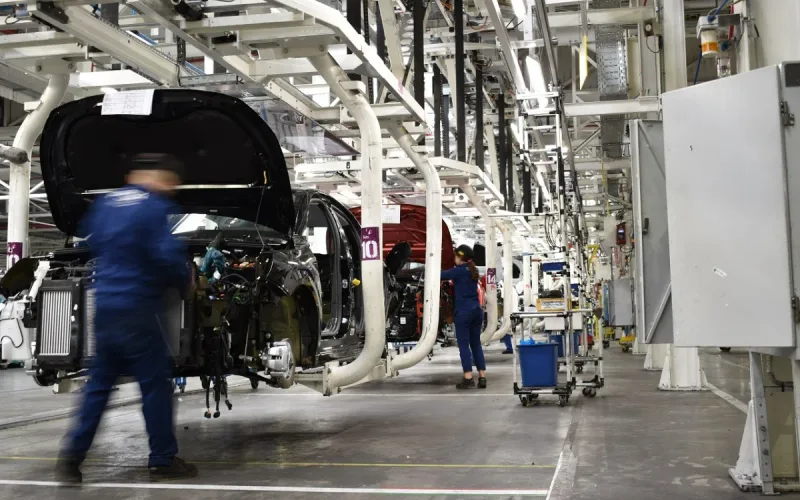
Morocco could directly benefit from this opening thanks to its association agreement with Brussels. The kingdom is already home to major Renault factories in Tangier and Stellantis factories in Kénitra, integrated into European production chains. For these manufacturers, recognition of some Moroccan components could make it easier to access public support schemes subject to origin criteria.
The amendment, as reported by OKDiario, asks European authorities to give existing trade partners the “most favourable” treatment and the “most flexible” application of future industrial provisions. The Socialists cite the need to preserve strategic value chains built with these countries.
People’s Party demands guarantees before any opening
The proposal goes further in seeking flexibility, but it does not start from scratch. The European Commission’s initial proposal, presented on March 4, already provides in Articles 8 and 9 for origin equivalence for certain products from partner countries, subject to conditions and possible exclusions.
Spain’s People’s Party opposes the Socialist amendment. According to representatives quoted by OKDiario, some Moroccan components could receive treatment comparable to that of European components for certain public aid schemes. They are demanding guarantees of reciprocity and clear rules of origin first.
The debate comes as European carmakers seek protections for their Moroccan factories. Renault and Stellantis want to ensure their facilities outside the Union are not penalised by new rules favouring European production.
Nothing has been decided, however. The amendment attributed to the PSOE has not been adopted, and the EU regulation remains under discussion. The European Parliament’s legislative tracking page indicates that the text is still awaiting a committee decision. Companies producing in Morocco have therefore not been granted automatic access to EU subsidies.