Europe Wants Green Industry in Morocco, but New Trade Rules Could Undercut It
Morocco has major advantages that could make it a green industrial production hub on Europe’s doorstep. But a European study published on Wednesday, October 14, identifies three obstacles that could hold back its ambitions: financing, energy infrastructure and Brussels’ new trade rules.
Morocco is rolling out projects for electric batteries, green hydrogen and factories powered by renewable energy. But turning these announced investments into a genuine industrial powerhouse will be more complicated than expected. In a 49-page study published on October 14, the European Centre for Development Policy Management (ECDPM) examines the Kingdom’s ambitions alongside those of Egypt and Turkey. Its finding: despite real industrial progress, several obstacles are still preventing projects from scaling up.
On Bladi.net : Morocco Announces More and More Factories, Brussels Checks What Really Exists
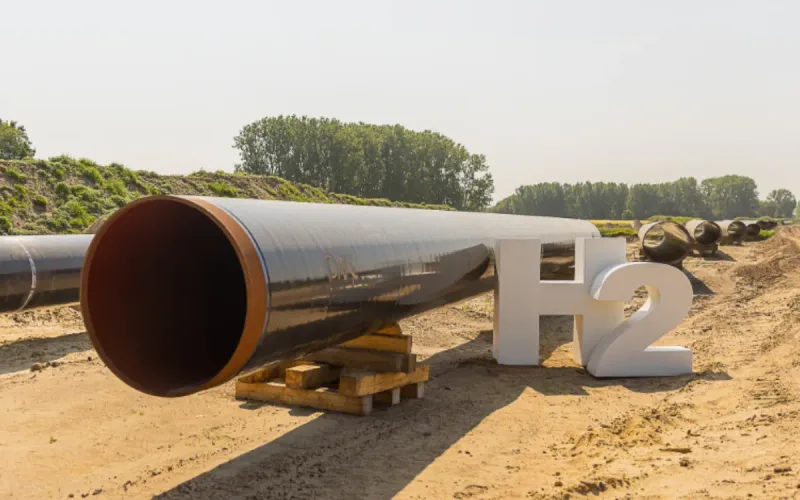
The first obstacle is money, but above all the guarantees investors require. In 2025, Morocco approved green hydrogen projects worth 32.5 billion dollars. Some investors have already signed land agreements and launched feasibility studies. Yet none of these projects had reached the decisive stage of a final investment commitment, according to the authors.
The reason is partly commercial. Manufacturers can build facilities capable of producing green hydrogen or ammonia, but they first need to be sure they will find buyers willing to pay enough for these products. European companies are still reluctant to commit to long-term contracts, while support mechanisms and purchase obligations remain uncertain.
OCP Group, however, has a particular advantage. As the world’s largest importer of ammonia, Morocco already has a domestic market for some of its green production, thanks to its phosphate industry. The group’s 13 billion dollar investment program could therefore reduce its dependence on imports. But green ammonia must become competitive enough with ammonia produced from fossil fuels.
Electricity still too dependent on fossil fuels
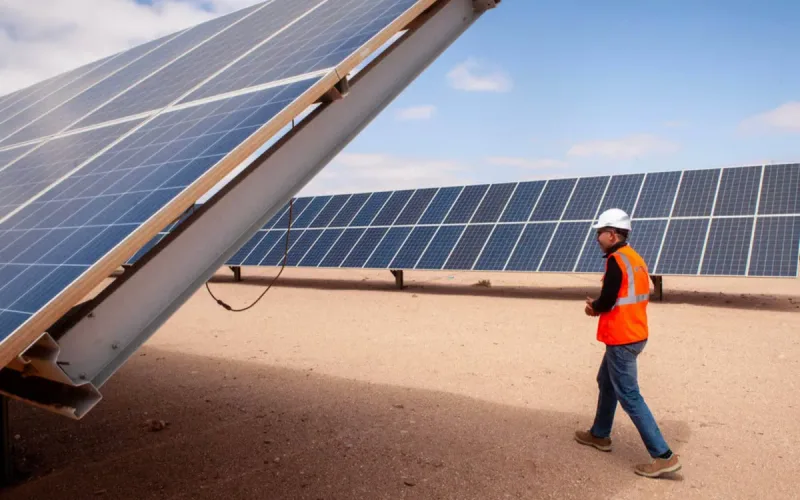
The second obstacle is energy. In mid-2025, renewables accounted for 45.5% of Morocco’s installed electricity capacity, close to the 52% target set for 2030. But their share of actual electricity generation remained around 25%. Moroccan industry still depends heavily on imported fossil fuels, particularly to meet its heating needs.
To power future battery, hydrogen and automotive-component factories, the Kingdom will need to generate more renewable electricity, expand storage and modernize its grid. The authors point to difficulties connecting to the grid, the cost of transmitting electricity and the distance between some solar or wind power generation areas and major industrial centers.
This vulnerability is already apparent in Morocco’s electricity exchanges with Spain. The two existing interconnectors, with a combined capacity of 1,400 megawatts, are the only operational electricity link between Africa and Europe. The development of green factories will also require more desalinated water, particularly for hydrogen-related projects.
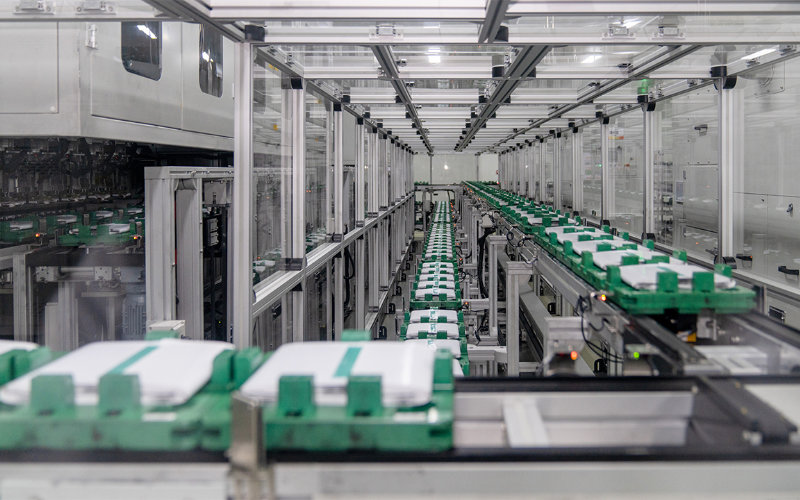
The third obstacle could come directly from Brussels. Morocco enjoys preferential access to the European market, which absorbs about one-third of its exports. This proximity has helped the automotive industry develop and is now attracting battery manufacturers, particularly Chinese companies. COBCO is already producing cathode precursors, while Gotion and BTR are developing other links in the industrial supply chain.
But the influx of Chinese manufacturers into Morocco is worrying the European Union. Brussels fears that some companies could use the Kingdom to circumvent tariffs on subsidized Chinese products. New European rules could favor components made within the Union in public procurement and aid programs, without automatically granting the same treatment to products made in Morocco.
On Bladi.net : Europe Alarmed by Chinese Investment in Morocco’s Tanger Med Port
The study thus highlights a paradox: Europe is encouraging its neighbors to develop green industries while considering measures that could restrict access for their products to its market. Battery manufacturers based in Morocco could be particularly exposed to this contradiction, even though their investments are largely aimed at European automakers.