Electric vehicles Morocco Chinese investments Europe tariffs
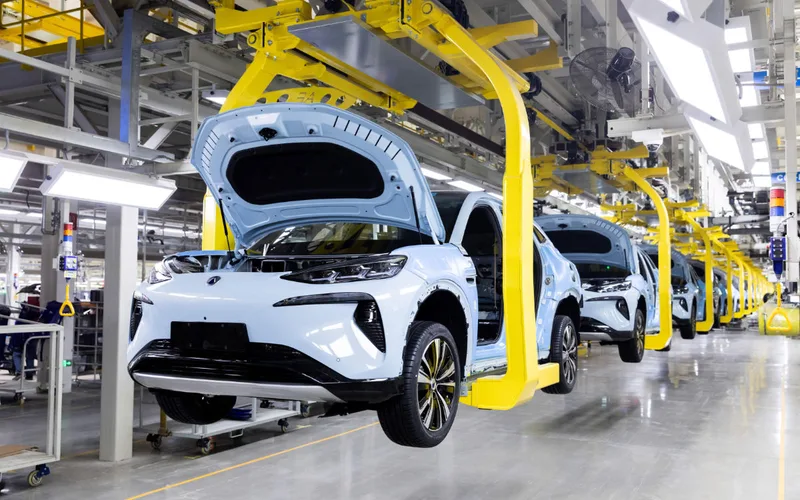
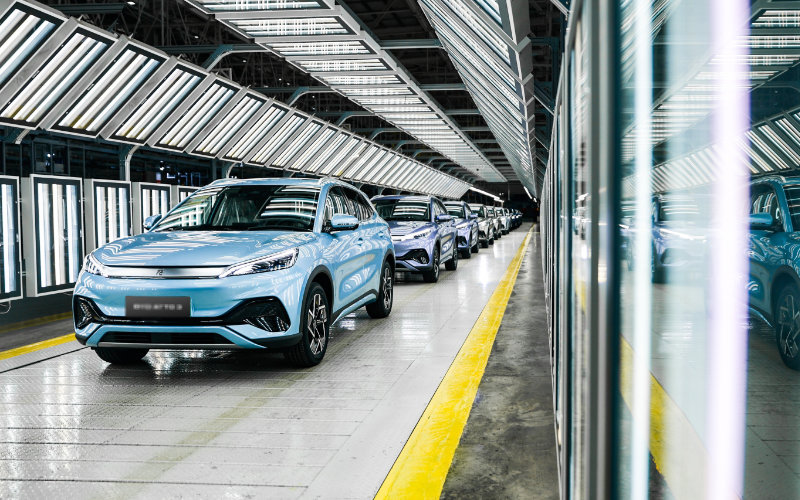
The massive capital injected by Asian industrialists into Moroccan automotive manufacturing is alarming Brussels. The European Union fears that the kingdom could serve as a gateway to flood its market with subsidized electric vehicles.
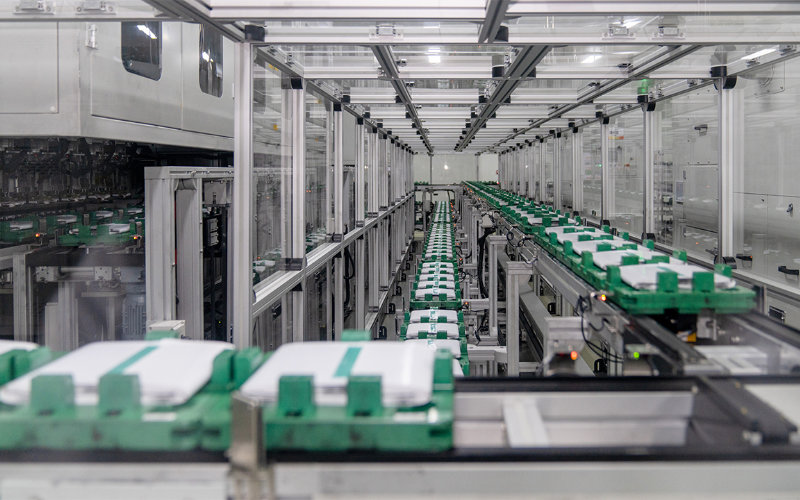
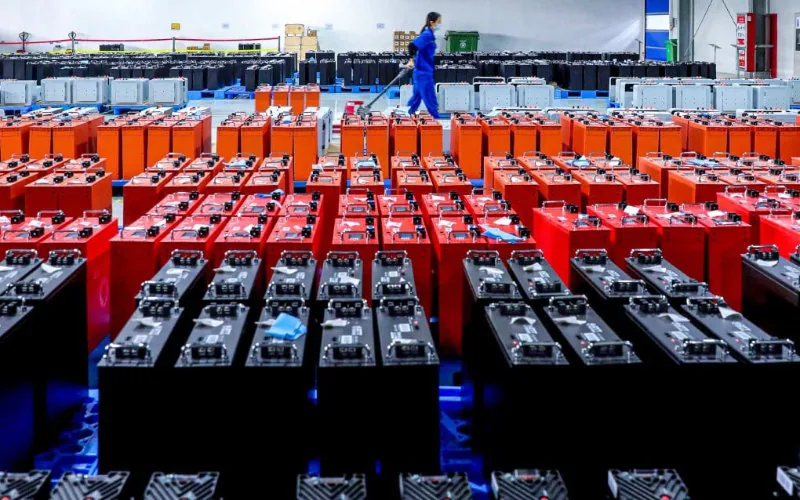
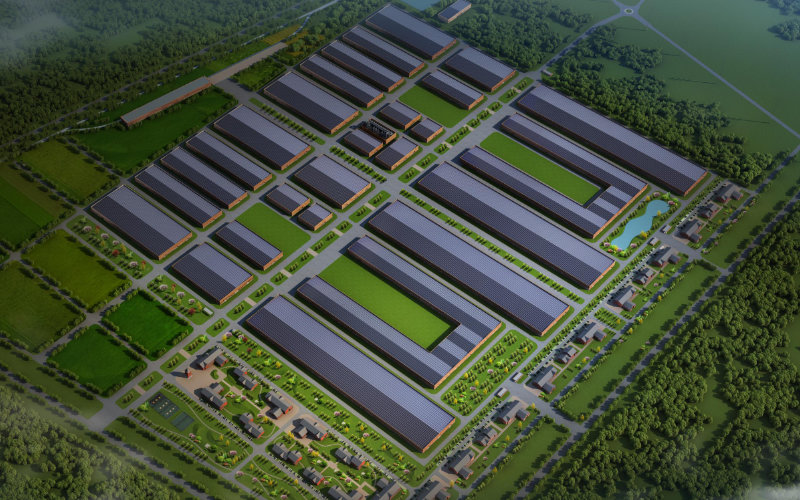
On the hills near the Strait of Gibraltar, the Tanger Tech city is seeing equipment manufacturer factories flourish. Specialists in braking systems like APG or battery components like BTR are massively establishing themselves there. Further south, in Kenitra, the Gotion High-tech group is building a mega-factory valued at 1.3 billion dollars. Since the pandemic, the Middle Kingdom has committed nearly six billion dollars on Moroccan territory.
On Bladi.net : Electric Car Race Heats Up: Morocco and Turkey Vie for Europe’s EV Gateway
This investment frenzy is triggering alarm across the Old Continent. As reported by the Financial Times, European leaders fear that Beijing is seeking to circumvent the 45% tariffs recently imposed on its vehicles. Maroš Šefčovič, European Commissioner for Trade, sees this as a maneuver designed to offload Chinese industrial overproduction through partner countries.
Facing these concerns, Moroccan authorities firmly reject any idea of a Trojan horse. They demand that foreign companies strictly comply with rules of origin, requiring genuine local transformation of products before their export. Rabat’s stated objective is to achieve a production capacity of half a million electric vehicles, leveraging its vast network of free trade agreements.
On Bladi.net : Chinese Battery Giant to Build $1.3 Billion Factory in Morocco
To attract these automotive giants, the kingdom deploys solid commercial arguments, ranging from five-year tax exemptions to access to affordable labor and green energy. A dynamic that places European legislators facing a real puzzle, especially since historic Western manufacturers such as Renault and Stellantis already operate major infrastructure on Moroccan soil.