Morocco France Direct Electricity Cable Mediterranean Connection
Morocco and France are studying the creation of a direct electrical link under the Mediterranean. This future cable would allow Moroccan renewable electricity to be transported to the French network without passing through Spanish interconnections.
Rabat and Paris have launched a call for expressions of interest to identify technical and commercial solutions to directly connect their electrical networks. The announcement was made during the 15th high-level Franco-Moroccan meeting, held on July 16 in Rabat.
On Bladi.net : Morocco-United Kingdom Submarine Cable: Finally?
This approach does not yet constitute a decision to build the cable. It must first allow investors, energy companies, infrastructure managers and financing bodies to be consulted in order to assess the project’s feasibility.
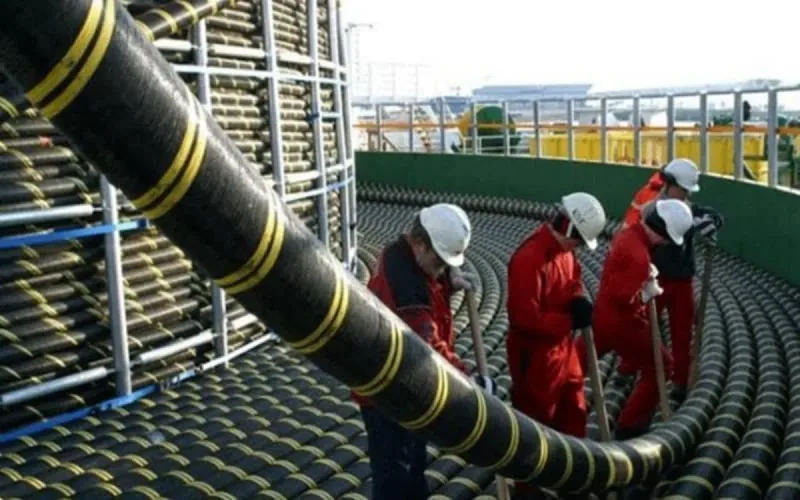
One of the hypotheses already being studied provides for a high-voltage direct current submarine link between Nador and Fos-sur-Mer, in southern France.
This route could reach approximately 1,300 kilometers and cross areas of the Mediterranean nearly 2,800 meters deep. Its theoretical capacity could reach 2,000 megawatts, but these characteristics have not yet been definitively retained by the two governments.
A new route that bypasses Spain
The strategic interest of the project lies in its direct nature. Morocco is currently connected to the European electricity network by two submarine cables with Spain. A link with France would therefore offer it additional access to the continental market, without its electricity transiting through the Spanish network.
This new corridor would not replace existing connections. Rather, it would make it possible to diversify exchange routes, reduce dependence on a single passage and bypass certain bottlenecks between the Iberian Peninsula and the rest of Europe.
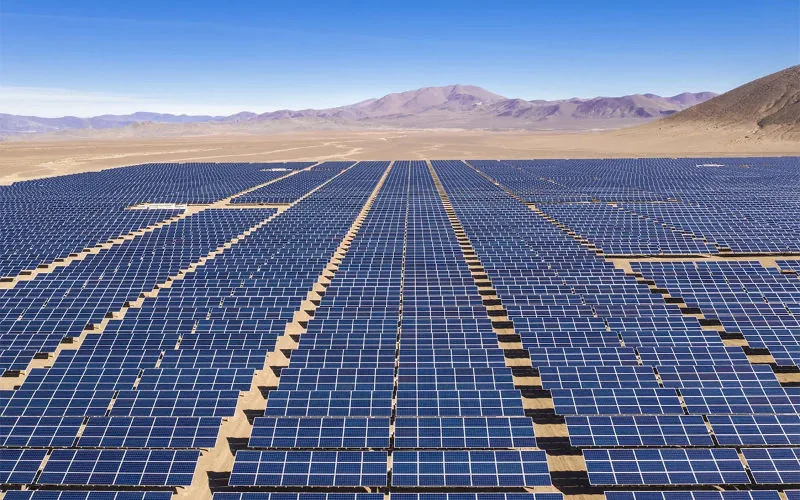
The cable could be designed to operate in both directions. Morocco could export electricity when its solar or wind production is abundant, but also import it when domestic demand or market conditions require it. Available documents, however, mainly emphasize Moroccan exports to France.
An old estimate attributed to French operator RTE valued the average cost of the project at approximately 6.2 billion euros. This amount could vary between 4.4 and 9.4 billion depending on the route, cable prices, conversion stations and difficulties encountered on the seabed. However, this is not an official budget.
Before any investment decision, geological, seismic and environmental studies will be necessary. Promoters will also need to define the financing model, electricity transport pricing and risk distribution between public and private actors.
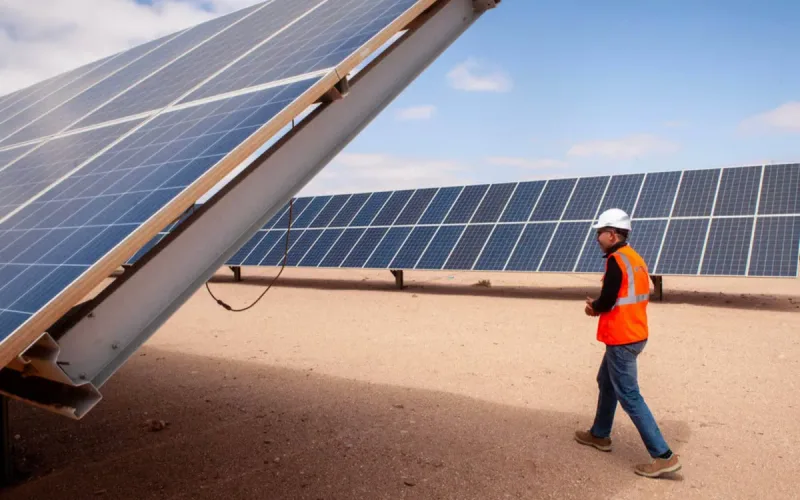
To sustainably power this link, Morocco will likely need to build new solar and wind power plants, develop its storage capacity and strengthen its national network. The kingdom aims for a 52% share of renewable energies in its installed electrical capacity by 2030.
The project could thus offer Moroccan producers a long-term European outlet and attract new investments. For France, it would constitute an additional source of low-carbon electricity.
On Bladi.net : Australian Mining Giant Plans Massive Solar Project to Power Europe from Morocco
No near-term commissioning is nevertheless envisaged. Large submarine electrical cables generally require several years of studies, permits, financing and construction. The call for expressions of interest therefore marks a first concrete step forward, but the electrical bridge between Morocco and France remains still far from construction.