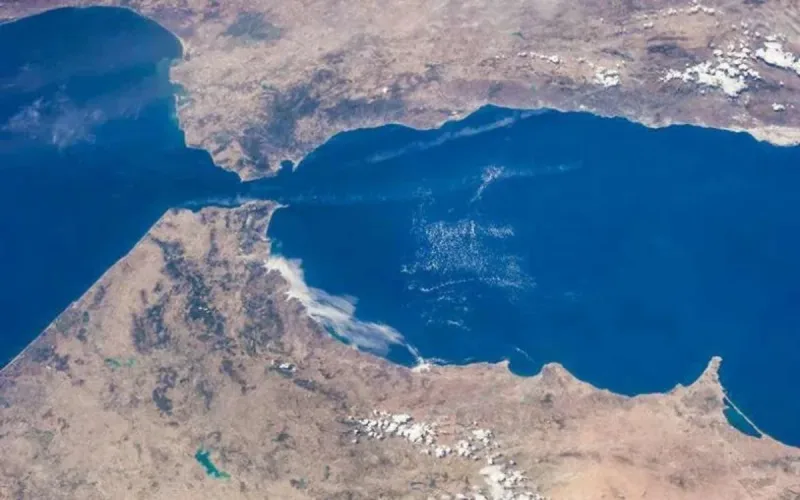
Spain-Morocco Tunnel: the project technically validated, start of work in 2030?
The project of a fixed link between Europe and Africa is taking a decisive step. After the validation of the technical feasibility by German experts, the Spanish government has officially launched the detailed design of the future railway tunnel under the Strait of Gibraltar, with the ambition of initiating the work by 2030.
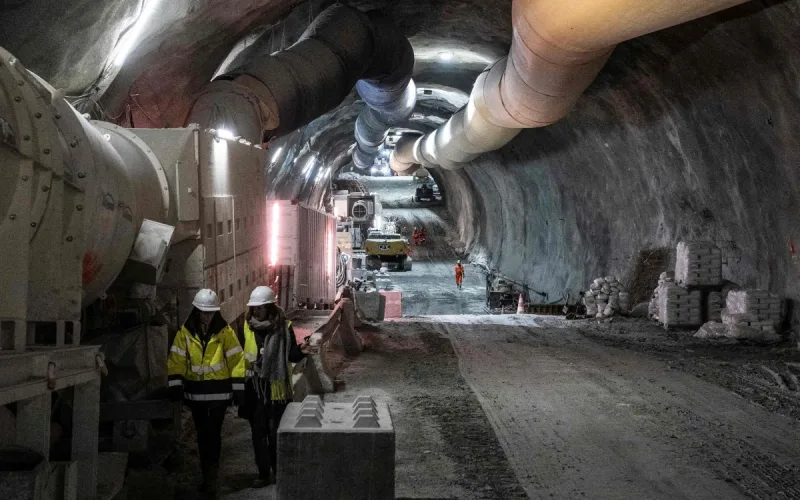
Long considered as science fiction, the idea is resurfacing thanks to the conclusions of a feasibility study conducted by the German company Herrenknecht on behalf of the Spanish Company for Fixed Communication Studies of the Strait (Secegsa). This report, financed by European funds to the tune of 1.6 million euros, examined the major geological challenges of the area, including seismic activity, tectonic plates and high-pressure drilling constraints. The verdict is formal: the work is "technically viable". Buoyed by this expertise, the Spanish Ministry of Transport has taken a new step by entrusting the public company Ingeniería y Economía del Transporte with the development of the detailed plan for the first tunnel.
A colossal project estimated at 8.5 billion euros
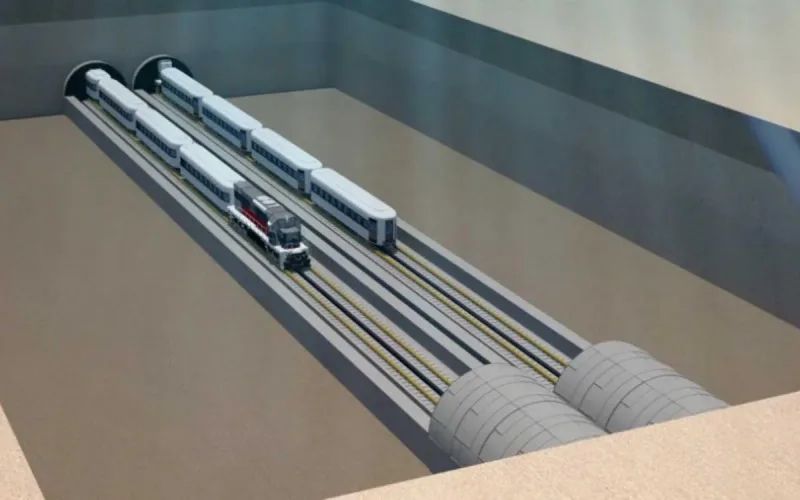
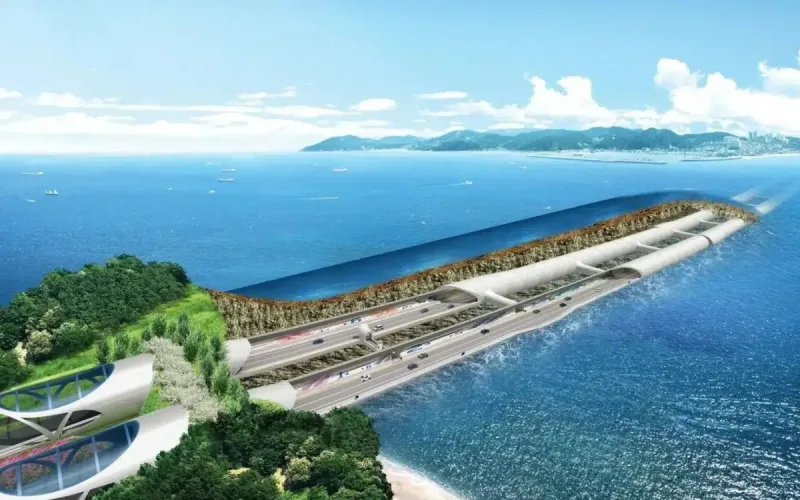
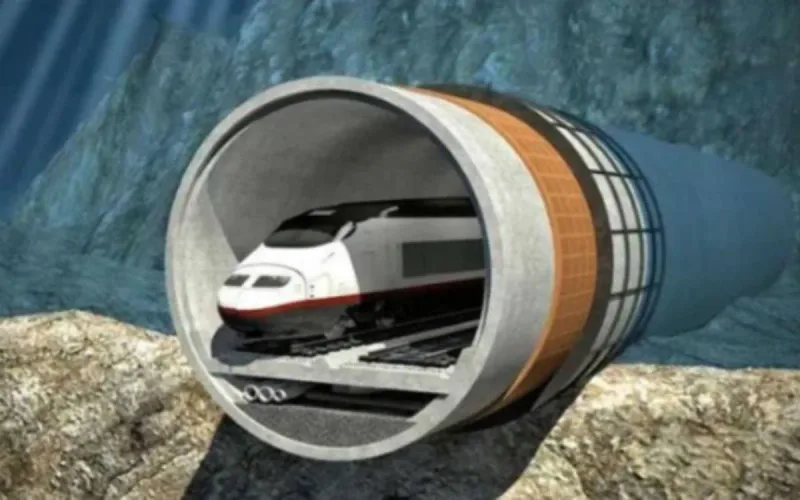
The scale of the project exceeds that of the Channel Tunnel. The planned route would extend over 65 kilometers to connect Punta Paloma, in Cádiz, to Punta Malabata, in Tangier, diving to a maximum depth of 465 meters below the seabed. In addition to the rail transport of passengers and goods, the infrastructure would serve as a corridor for energy and telecommunications cables. The cost for Spain could reach up to 8.5 billion euros, in addition to the 60 million already invested in studies since the 1980s.
The provisional schedule remains cautious but is becoming clearer, driven by the joint organization of the 2030 World Cup. While the call for tenders for an exploratory tunnel could be launched around 2027, the start of the main work is not expected before 2030, for a planned commissioning around 2040.