Maroc – Spain Tunnel: the technical green light is there, the construction site will be pharaonic
This is a decisive step forward for this long-held dream of engineers. A German study confirms the technical feasibility of a rail link under the Strait of Gibraltar, between Morocco and Spain. While tunnel boring machines can now pierce the rock, the bill is expected to be hefty and the commissioning horizon is distant.
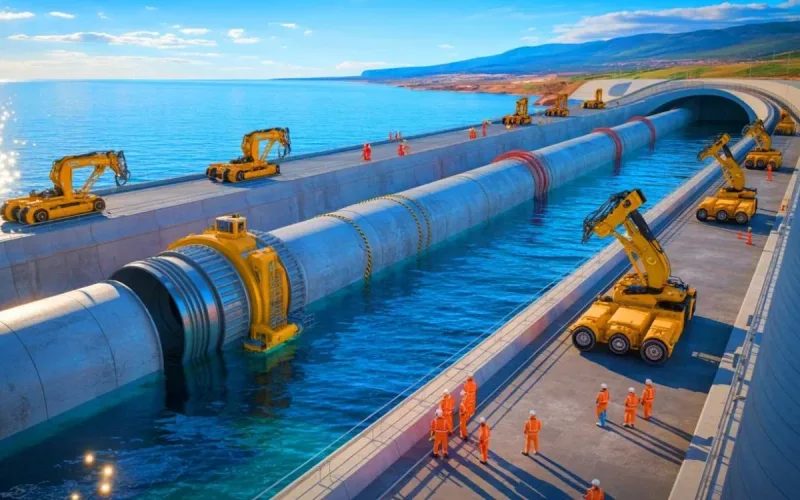
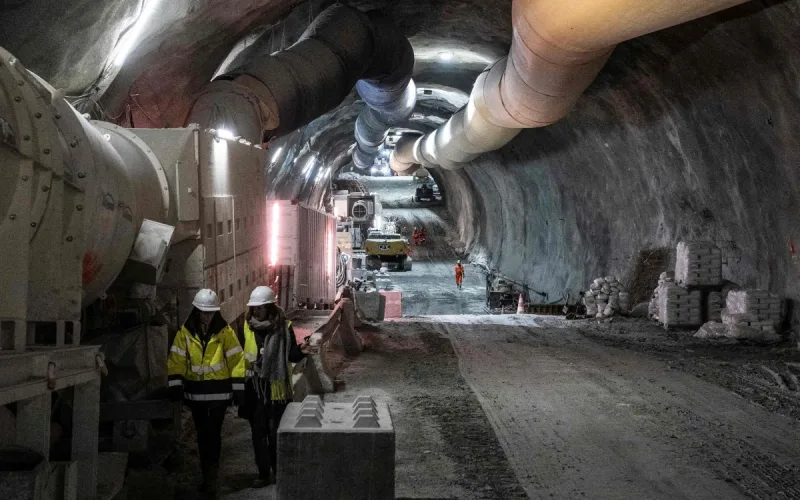
The verdict is in: connecting Spain and Morocco by the seabed is technically feasible. The feasibility study, conducted by the German giant Herrenknecht on behalf of Secegsa, states that current engineering can meet this colossal challenge, explains Europa Press. Tunnel boring machines are now capable of crossing the formidable "Camarinal threshold", an unstable geological area composed of flysch, which had been the major obstacle of the route until now. This technical validation marks a turning point for a project relaunched in 2023 after decades of hesitation.
However, the realization of this structure remains a temporal and financial challenge. The report estimates the investment at more than 8.5 billion euros for the Spanish part alone. The announced deadlines push the inauguration well beyond the immediate sporting deadlines: while the first ground movements could coincide with the 2030 World Cup, the most realistic milestones for the completion of the project are between 2035 and 2040. Just the first phase, consisting of an exploratory tunnel, will require between six and nine years of work.
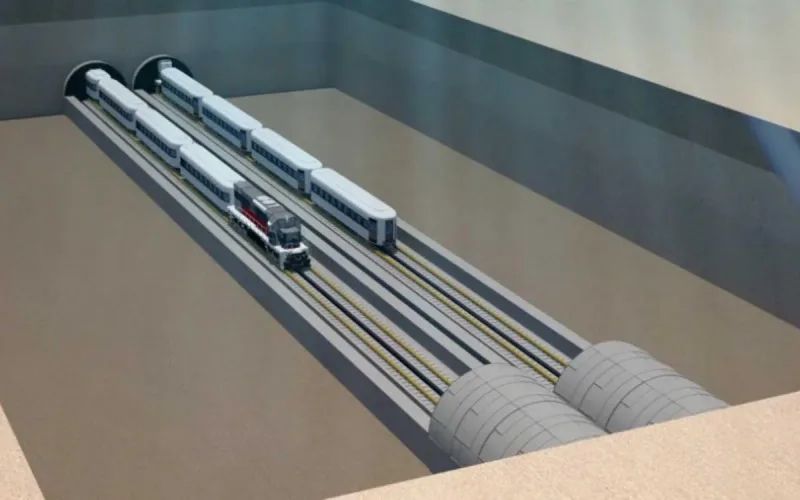
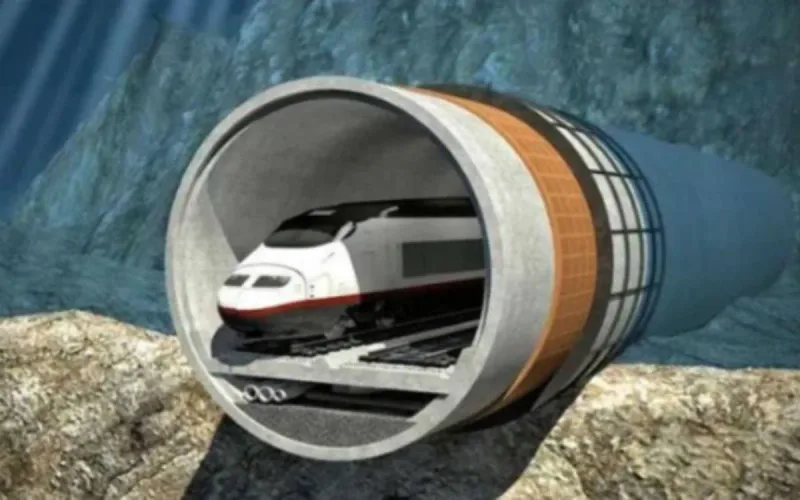
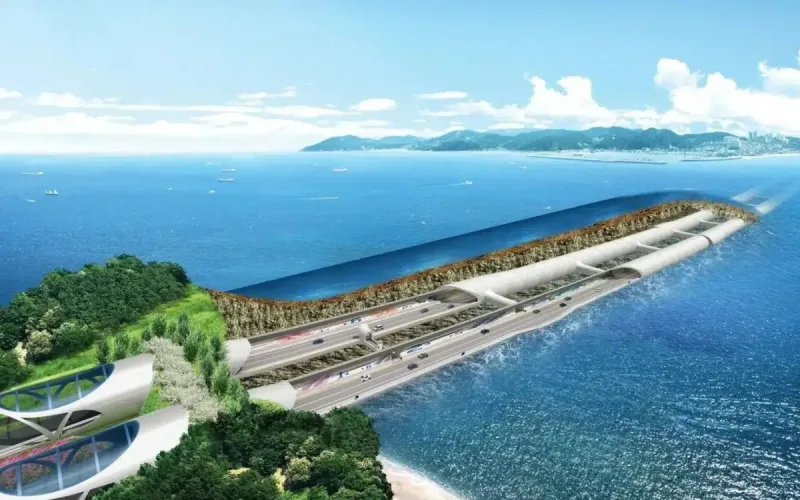
In terms of design, the plan calls for an extraordinary infrastructure. The tunnel would plunge to a depth of 475 meters to connect the two continents in 30 minutes. The submarine route would stretch for about 65 kilometers, with nearly 40 in Spanish territory, with a terminal planned in Vejer de la Frontera. The structure would include two single-track tubes for passengers and freight, doubled by a service gallery.
Pending the first groundbreaking, the bureaucracy is mobilizing to lock down the details. The public company Ineco has been mandated to deliver by August 2026 a complete update of the preliminary project, incorporating the new geological and security data. For experts from the Madrid Order of Bridge, Canal and Port Engineers, the challenge goes beyond the simple technical feat: "This is a unique project, capable of transforming the history of mobility between Europe and Africa and generating unprecedented economic and social impact in the region".