Tunnel Morocco–Spain: yes, it is feasible... but not before 2040
A new step has been taken in the case of the fixed link between Europe and Africa. Following the favorable conclusions of a recent technical study, the Spanish side has commissioned the development of the master plan. While the feasibility of drilling has been proven, the schedule now rules out commissioning for the 2030 World Cup.
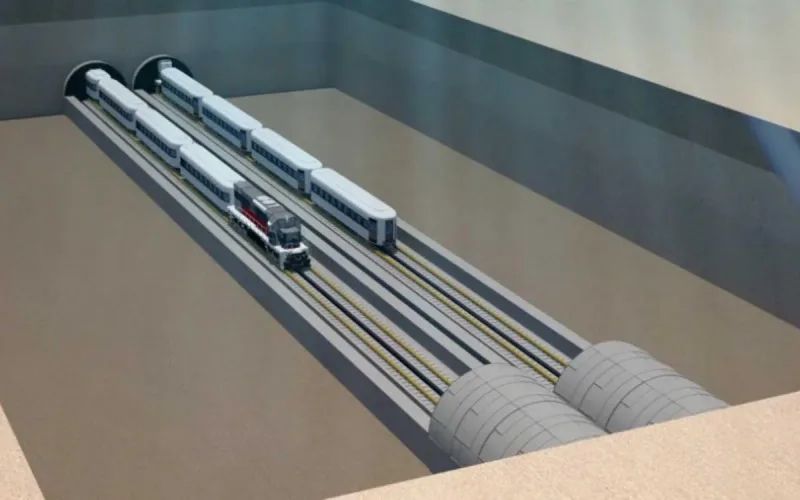
Relaunched after several decades of discussions, the project of a tunnel under the Strait of Gibraltar has been evaluated by the German tunnel specialist, Herrenknecht. Submitted in October, this report concludes that the structure is technically feasible with current drilling technologies. Based on these conclusions, Secegsa (the Spanish Society for Studies on the Fixed Communication through the Strait of Gibraltar) has commissioned the consulting firm Ineco to develop the master plan for the project by the end of 2026, with a view to possible government approval in 2027.
The recommended route would connect Punta Paloma (Cádiz province) to Cap Malabata (Tangier region) over a total distance of about 42 kilometers, of which 27 kilometers would be underwater.
The project is distinguished by its geological complexity, significantly greater than that of the Channel Tunnel. The structure will have to reach a depth of 470 meters below sea level (compared to 75 meters for the Franco-British tunnel) and cross an area located at the junction of the Eurasian and African tectonic plates. These seismic constraints and the depth have led to the definitive abandonment of the suspended bridge options considered in the past.
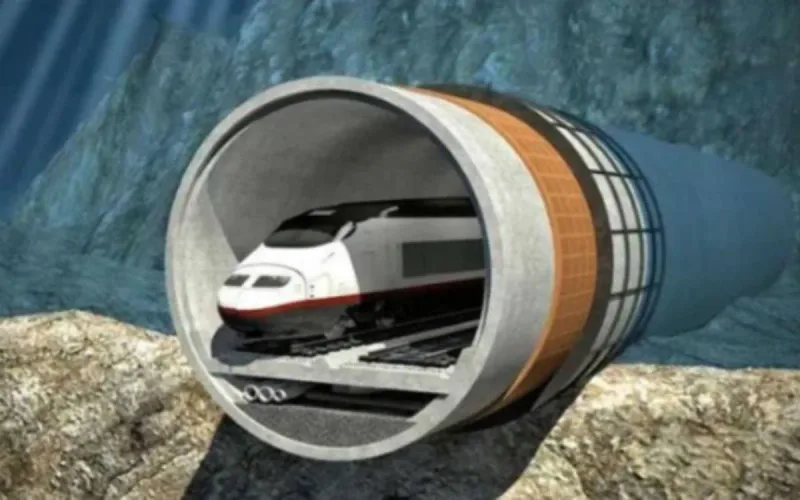
The infrastructure, consisting of two rail tunnels for passenger and freight transport, would allow a travel time of 30 minutes between the two shores. The cost of the project is currently estimated at 8.5 billion euros. Regarding the schedule, experts consider the 2030 deadline unrealistic given the current state of the studies. The new forecast schedule plans for the start of preparatory work around 2030, with the main construction phase taking place between 2035 and 2040. The project is still jointly managed by SECEGSA and its Moroccan counterpart, SNED.