2030 World Cup: Why the dream of the Morocco-Spain tunnel has just flown away
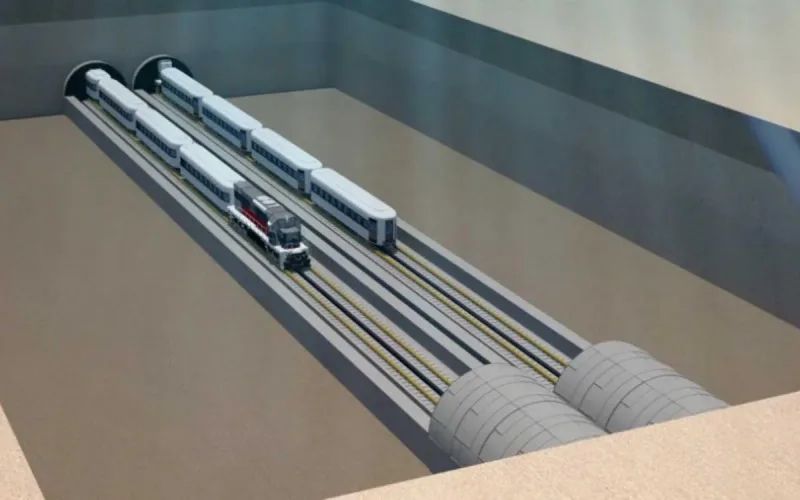
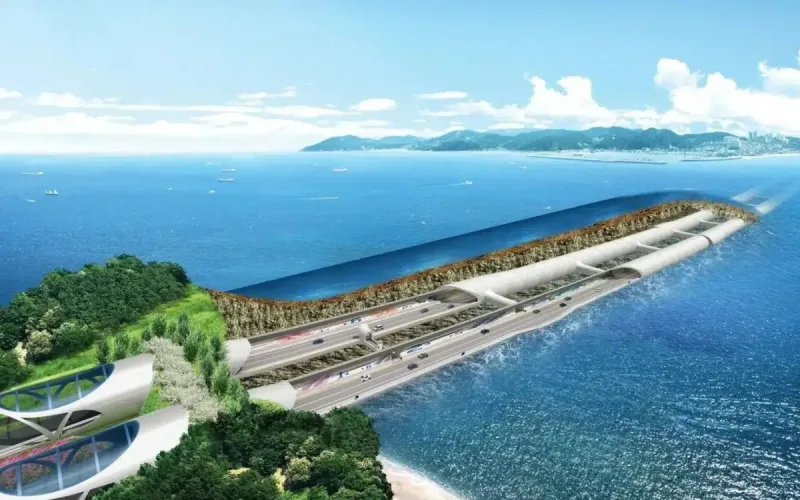
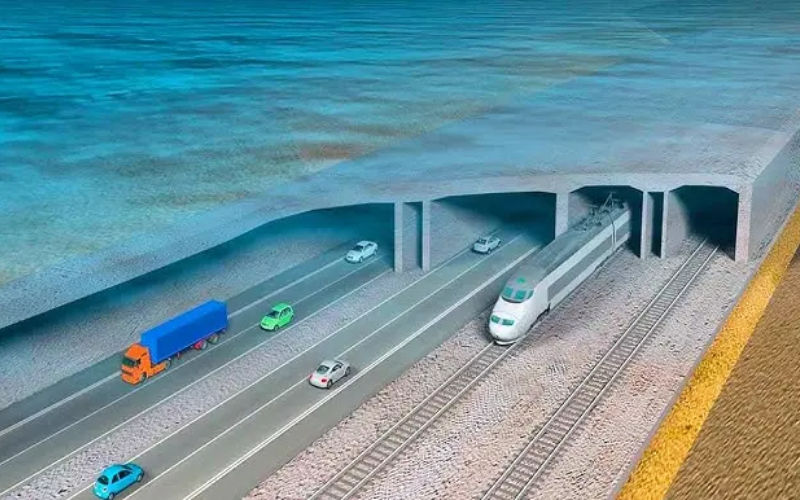
The planned railway tunnel under the Strait of Gibraltar to connect Europe to Africa is experiencing significant delays and will not be operational before the period between 2035 and 2040. This new deadline, confirmed by a recent technical report, excludes any possibility of using the infrastructure during the 2030 World Cup co-hosted by Morocco and Spain.
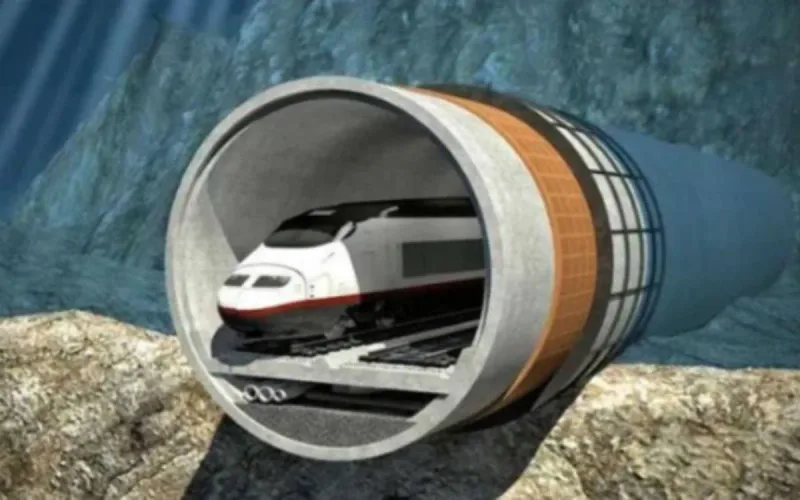
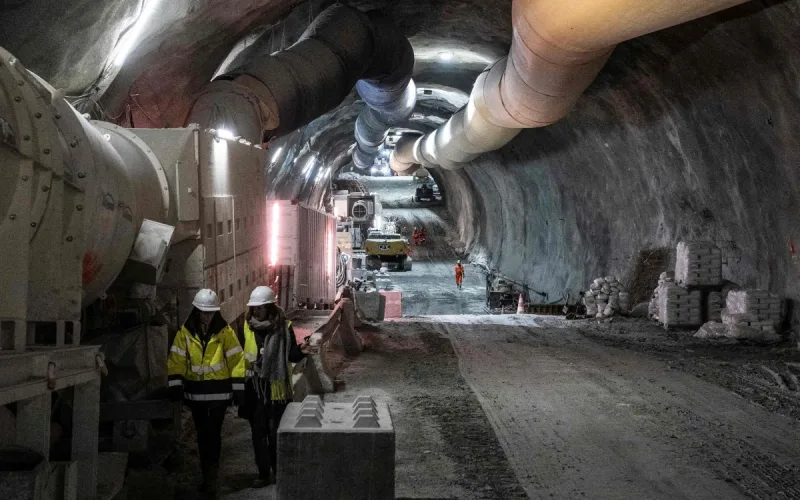
A study conducted by the German company Herrenknecht on behalf of the Spanish public company Secegsa specifies that the project remains technically feasible despite more significant geological challenges than expected. The difficulties are particularly concentrated in the Camarinal sill area, the nature of which requires in-depth seismic studies and the construction of a preliminary exploratory tunnel. The crossing of the hard rocks present in this area also requires the development of specific mechanical drilling tools.
This tunnel is a major strategic project for Morocco, Spain and the European Union, aimed at establishing a direct connection between the Moroccan and European rail networks. The creation of this continuous logistics corridor between Casablanca, Rabat and Madrid is intended to strengthen Spain’s role as a gateway between the two continents. The postponement of the project by a decade delays these economic benefits at a time when Morocco is accelerating its investments in its national infrastructure and international alliances.
The cost of the Spanish component alone is estimated at more than 8.5 billion euros, while the total budget should increase thanks to the support of European funds and future revenues from logistics and telecommunications services. Pending the realization of this work, transport between the two shores remains dependent on traditional maritime and air routes. The Strait of Gibraltar remains one of the most sensitive points in the world, involving constant surveillance and enhanced cooperation within NATO.