Morocco: The Unfinished Promise of Solar Energy
At the gates of the Sahara, Morocco has built one of the world’s largest solar power plants. Yet despite this stated ambition, fossil fuels continue to dominate the national electricity grid, hindering the country’s ecological transition.
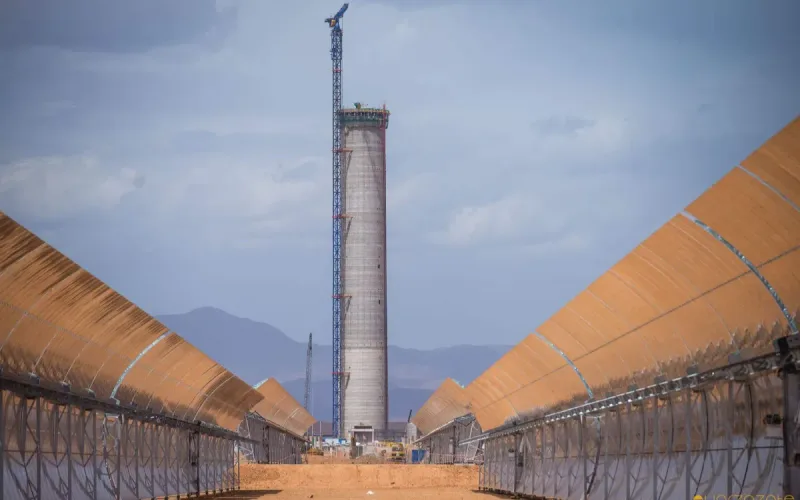
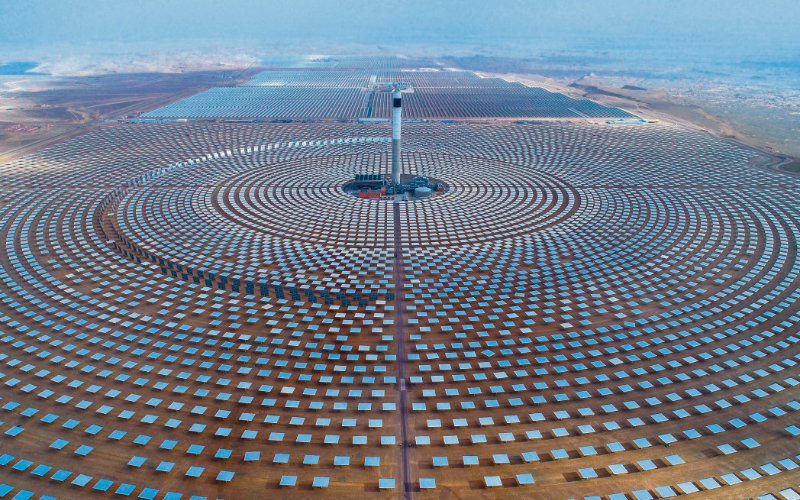
In Ouarzazate, the Noor power plant spans nearly 500 hectares and can supply electricity to more than one million households. Unlike conventional photovoltaic panels, this installation relies on two million giant mirrors. These concentrate the sun’s rays toward a 247-meter-high tower to melt salt at 600 degrees Celsius. This process generates steam and turns turbines, allowing electricity production even after sunset.
On Bladi.net : Morocco’s Solar Energy Push Faces Setback as Key Power Plant Halts Operations
Despite this technological feat, the local population does not benefit from cheap energy and remains dependent on butane gas. Moroccans spend approximately 110 dollars per month on electricity, out of an average income of 550 dollars. This situation is explained by the kingdom’s heavy dependence on hydrocarbon imports, which cover 90 percent of its consumption needs. Coal, oil, and gas thus represent 48 percent of energy-related greenhouse gas emissions in the country.
The national electricity grid suffers from structural limitations that slow the transition, as highlighted by a DW analysis. While the country has the necessary technology to generate 46 percent of its electricity through renewables, actual production barely reached half of this potential in 2023. Intissar Fakir, a specialist at the Middle East Institute, recalls that "Morocco must still invest in its grid capacity" to better integrate this production into daily operations, particularly by developing storage solutions.
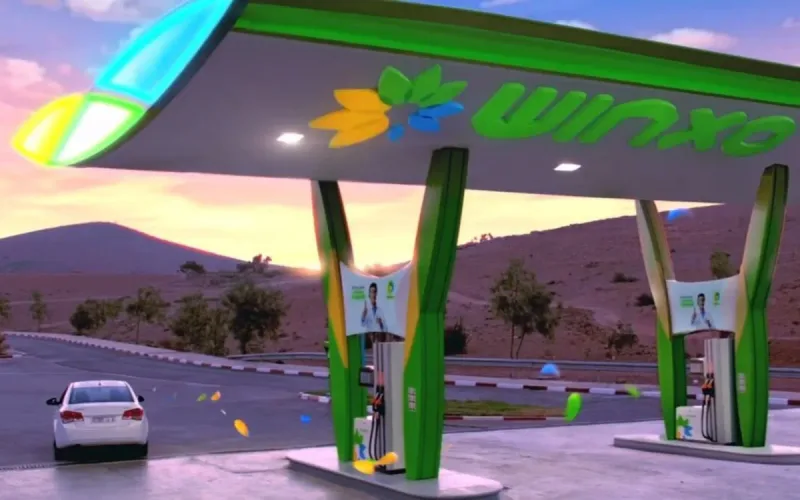
On Bladi.net : 4.8 million trees and solar service stations: The transformation of Moroccan highways
This national strategy, predominantly focused on megaprojects, is also subject to criticism. Operating the power plant requires significant quantities of water to clean sand accumulated on the mirrors, and grazing lands were requisitioned without genuine prior consultation. Residents of the region now express their bitterness, like Imrane, 83, who denounces electricity bills that remain unaffordable and claims that solar concentration has driven up temperatures in surrounding villages.