4.8 million trees and solar service stations: The transformation of Moroccan highways
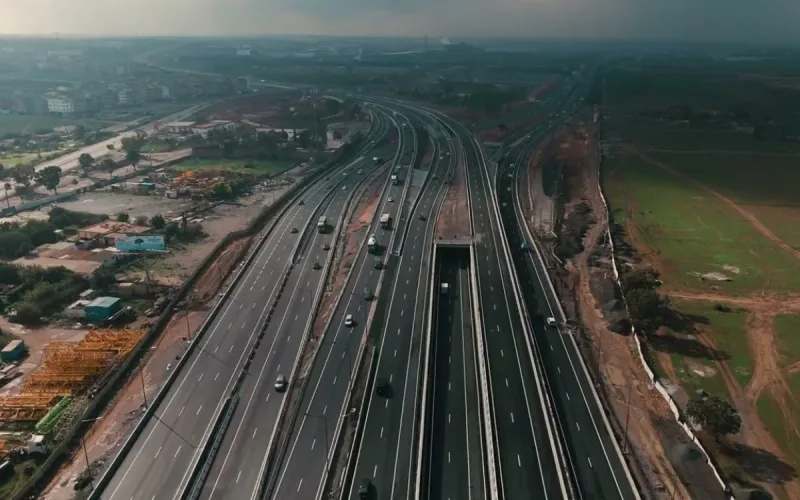
The Minister of Equipment, Nizar Baraka, has unveiled a large-scale environmental strategy for Moroccan highways. Between renewable energy, massive recycling and reforestation, the Kingdom is betting on sustainable infrastructure to reduce the carbon footprint of the road sector.
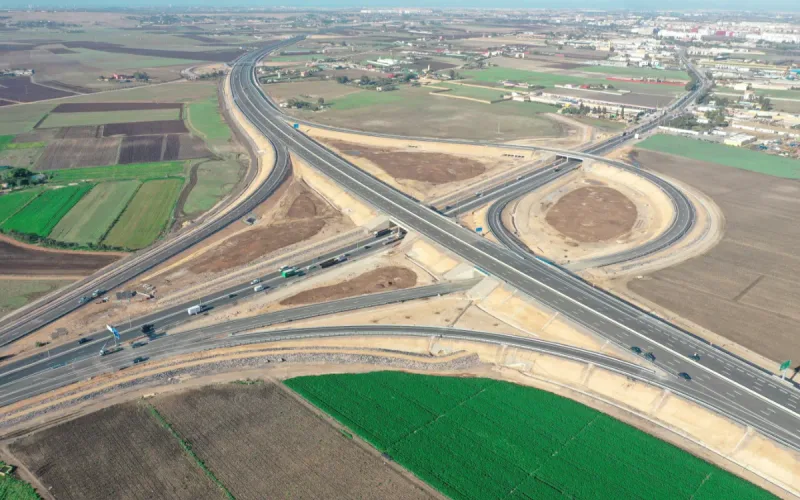
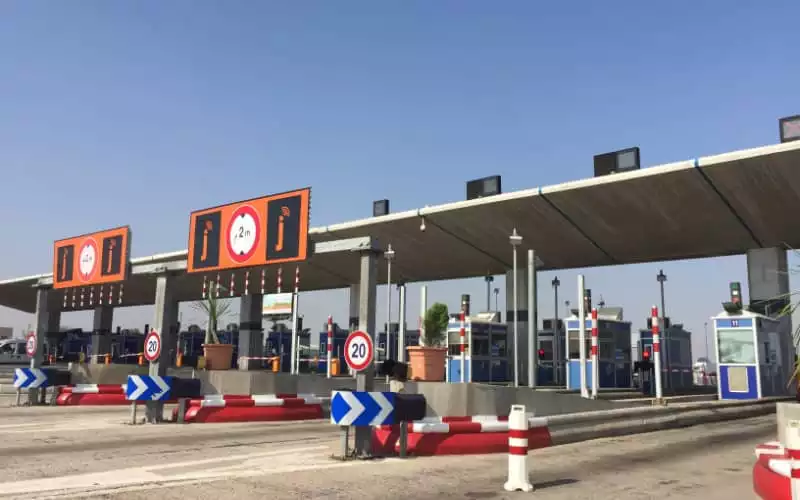
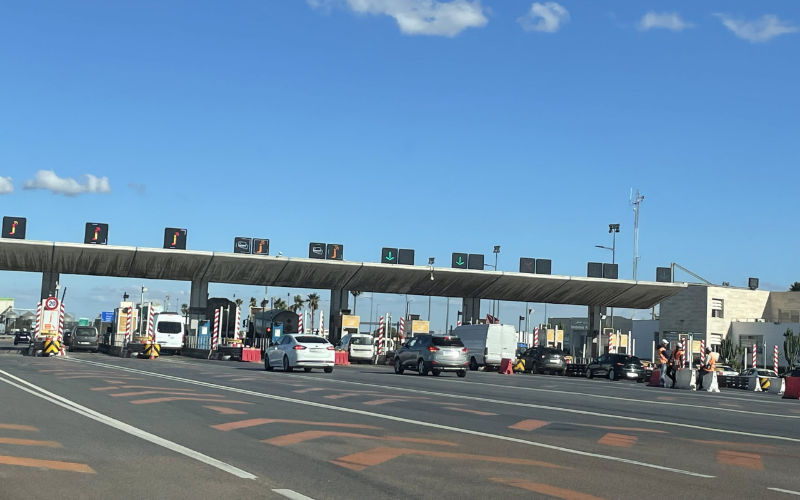
The National Motorway Company of Morocco (ADM) is deploying the "AZUR" program to transform its network. This initiative focuses on clean energy, particularly through the installation of solar panels in toll plazas to ensure their electrical autonomy during the day. The system also provides for the deployment of electric vehicle charging stations on service areas, thus promoting decarbonized mobility.
On Bladi.net: Roads: Morocco launches a massive plan
On a technical level, ADM now favors the recycling of bituminous materials from old construction sites for road maintenance. The company has already saved about 4 million cubic meters of water through "dry pressing" processes to stabilize the soil. To offset carbon emissions, a large-scale plan provides for the planting of 4.8 million trees.
The digital transformation also makes it possible to reduce paper consumption by 81%, or more than two million sheets saved each year. The minister specified that the wastewater from the infrastructure is treated for the irrigation of green spaces. At the same time, ADM is installing noise barriers near residential areas and setting up specific passages to protect wildlife along the roads.
On Bladi.net: Hundreds of new cameras on Moroccan highways
Finally, the strategy includes a social component with the rehabilitation of neighboring schools and the equipment of computer rooms. Awareness campaigns, such as the Iftar operation for truck drivers, aim to improve safety. Nizar Baraka points out that the "Jawaz" electronic toll system also plays an ecological role: "it limits traffic jams at toll booths and reduces CO2 emissions related to vehicle stops".