Morocco facing the oil shock: the economy threatened by the flare-up in the Middle East
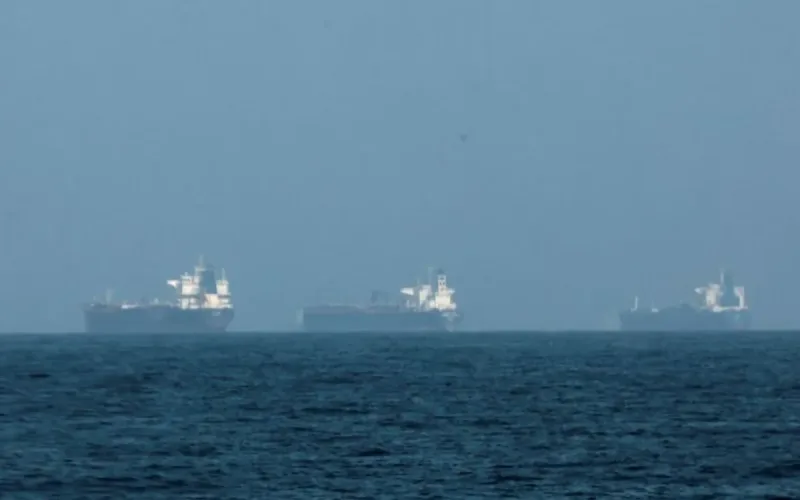
The flare-up in the Middle East is weakening the Moroccan economy, which is heavily dependent on its energy imports. This geopolitical crisis threatens the kingdom’s supply of hydrocarbons and poses a major risk to its phosphate industry.
Morocco imports 98% of its energy needs, with strategic reserves limited to about twenty days. The national growth target for 2026 was initially based on a favorable situation including an oil price estimated at $65 per barrel.
On Bladi.net: Strait of Hormuz: The blockade that threatens to paralyze Moroccan phosphates
Faced with the global surge in prices, the country has massively turned to affordable Russian crude, which now accounts for 60% of its imports. Le Point notes that this dependence exposes Rabat to environmental risks related to the use of ghost fleets navigating the Mediterranean.
Concern is also growing in the agricultural sector, which is particularly dependent on sulfur. This input, imported 45% from the Gulf countries, is essential for transforming raw phosphate into marketable fertilizers.
Although the kingdom holds more than half of the world’s phosphate reserves, visibility on future production remains unclear. A consultant also points out that "the Office Chérifien des Phosphates does not communicate on the state of stocks and it is not a competence of the State to constitute strategic stocks".
On Bladi.net: The blockade of the Strait of Hormuz threatens Moroccan agriculture
Without these guarantees, the uncertainty surrounding the duration of the Iran-Israel conflict risks disrupting the agricultural supply chain in the long term. The management of this raw materials crisis should be an absolute priority for the government and economic actors as soon as the Eid al-Fitr festivities are over.