Strait of Ormuz: The blockade that threatens to paralyze Moroccan phosphates
The closure of the Strait of Ormuz is shaking the global fertilizer market. Heavily dependent on raw materials from the Middle East, Morocco fears major disruptions to its phosphate exports, reviving concerns about global food security.
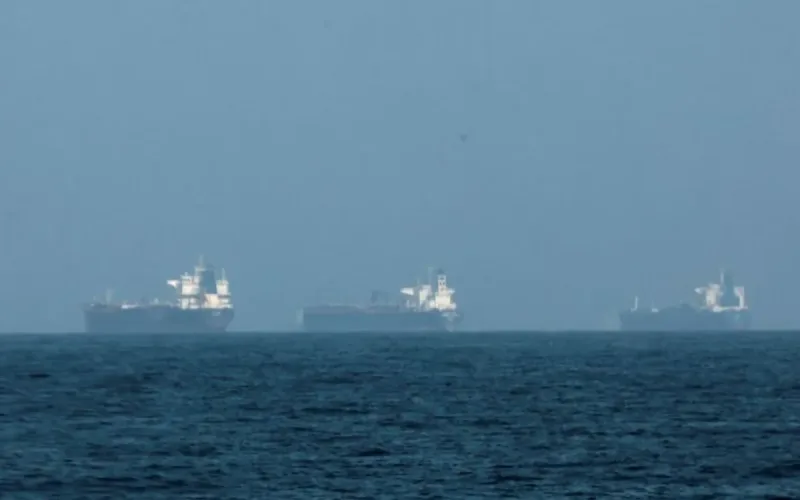
The blockage of this vital trade route, following the recent strikes involving Iran, is paralyzing a vital artery of international trade. According to Le Soir, this stretch of water sees one-third of the world’s fertilizers transit, in addition to huge volumes of oil and liquefied gas.
Analysts at the Kpler firm highlight the specific vulnerability of the Kingdom to this logistical paralysis. The country is heavily reliant on imports of sulfur and Middle Eastern ammonia, essential inputs for the manufacture of its phosphate-based fertilizers destined for foreign markets.
This supply disruption risks structurally destabilizing the global phosphate market. The United Nations Food Programme openly warns: "Any disruption in this area risks leading to lower availability, lower agricultural yields and, consequently, higher food prices."
In the markets, the surge is already palpable, with a 40% jump in the price of urea in just two weeks. This price spike primarily threatens the most fragile African agricultural economies, exposed to an untenable pressure on the cost of living.
The lack of strategic fertilizer reserves among the major powers darkens the short-term outlook. If this blockade persists and hinders soil fertilization during the crucial coming weeks, the depletion of global cereal stocks will inevitably lead to a major food inflation shock by the end of the year.