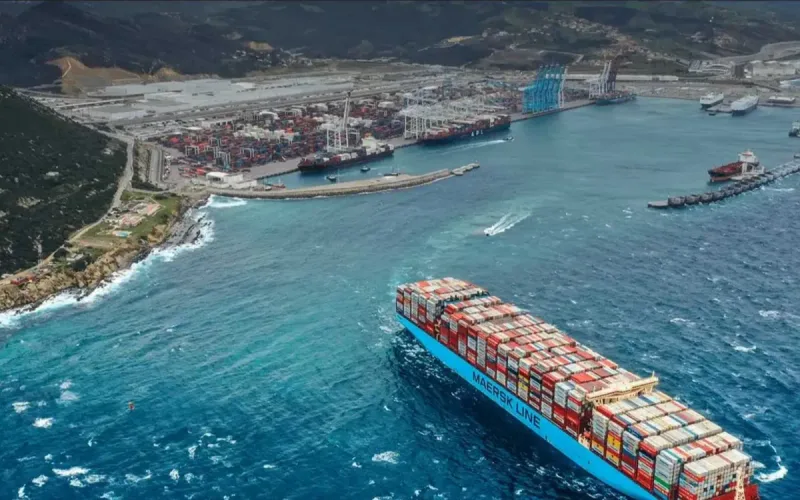
The blockade of the Strait of Hormuz threatens Moroccan agriculture
The halt in fertilizer production in the Gulf and the closure of the Strait of Hormuz are causing a surge in global prices. This crisis threatens agricultural production, directly impacting Moroccan exports and the food security of developing countries.
The blockade of the Strait of Hormuz by Iran and the shutdown of production facilities, particularly in Qatar, are paralyzing exports from the Gulf region. This strategic hub provides a third of the world’s urea and ammonia trade, as well as half of the sulfur. Major producers like Brazil or India, highly dependent on these supplies, are facing massive stock shortages.
This instability is directly affecting international production chains. Morocco, a major supplier of phosphate-based fertilizers to Europe, is feeling the repercussions of the conflict as it depends on Gulf sulfur for its manufacturing. At the same time, Egyptian urea has jumped from $500 to over $650 per tonne due to gas cuts, heavily weighing on farmers’ costs.
The threat to food security is considered alarming by the UN. According to Sylvain Pellerin of INREA, "without these three key fertilizer inputs (nitrogen, phosphorus and potassium), global agricultural production would drop by a third." Countries like Bangladesh have already had to shut down almost all of their factories due to lack of raw materials, raising fears of a subsistence crisis in the poorest areas.
Uncertainty now looms over the southern hemisphere’s sowing season in June. Potential damage to production infrastructure could delay a return to normalcy for a long time. Faced with this vulnerability, the European Commission is preparing an action plan to diversify its supply sources and strengthen its resilience strategy in the face of the volatility of energy markets in the Middle East.