Dubai and Doha paralyzed: Morocco captures the flow of tourists seeking security
The flare-up in the Middle East is paralyzing the hubs of Dubai and Doha, threatening $56 billion in revenue. In search of security, international travelers are now massively turning to Morocco and other African destinations.
The coordinated American-Israeli strikes of February 28 against Iran, marked by the disappearance of Ayatollah Khamenei, have plunged the Middle East into deep instability. The Iranian retaliation has directly targeted strategic sites, transforming the once lively tourist hubs of the region into high-tension zones.
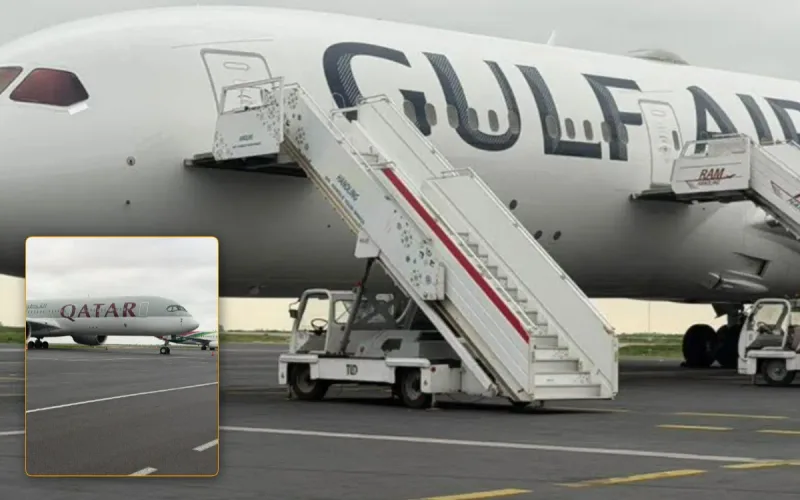
As of March 7, 2026, regional air transport is virtually at a standstill. More than 1,500 flights have already been canceled at the airports of Dubai, Doha and Abu Dhabi. Giants like Emirates and Qatar Airways are now operating at a minimal level, while cruise lines are urgently repatriating their passengers.
This crisis threatens to cut regional tourism revenues by $56 billion. With an expected 27% drop in international arrivals, or up to 38 million fewer visitors, the sector, which generated $460 billion per year, is experiencing a historic decline in global traveler confidence.
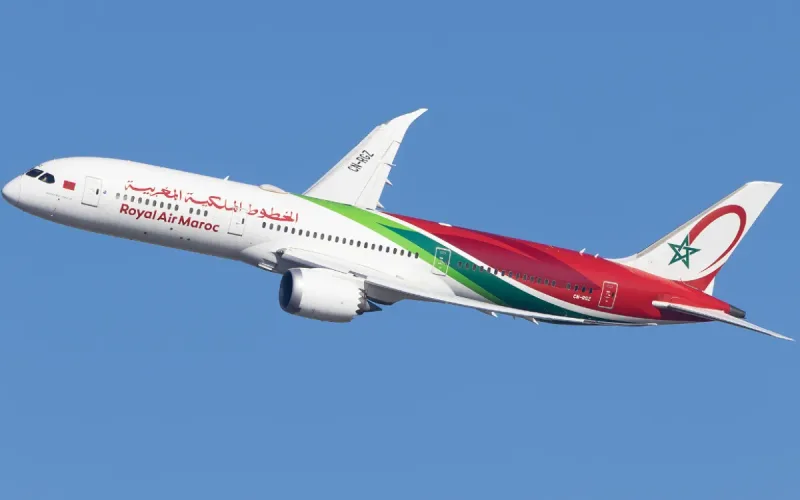
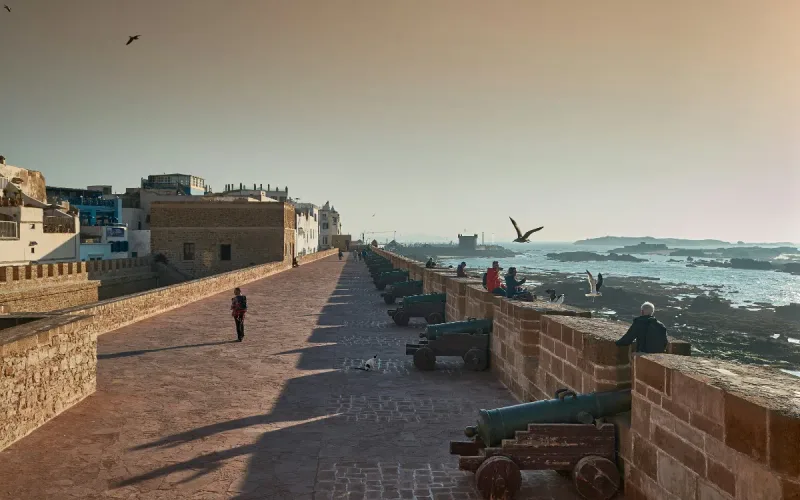
In this context of disruption, traveler flows are reorienting towards spared areas. Morocco, alongside Kenya and Tanzania, is recording a significant increase in bookings. "Africa is beginning to emerge as a potential beneficiary of this trend," offering a secure alternative for business and leisure travel.
While the sector has proven its resilience in the past, restoring confidence in the Middle East will be a long process. While Rabat and, to a lesser extent, Cairo are capturing this new demand, the Gulf countries will have to undertake deep security reforms to hope for a return to normalcy in an industry that is now fractured.