
MRE and summer vacations: The oil shock that risks emptying flights to Morocco
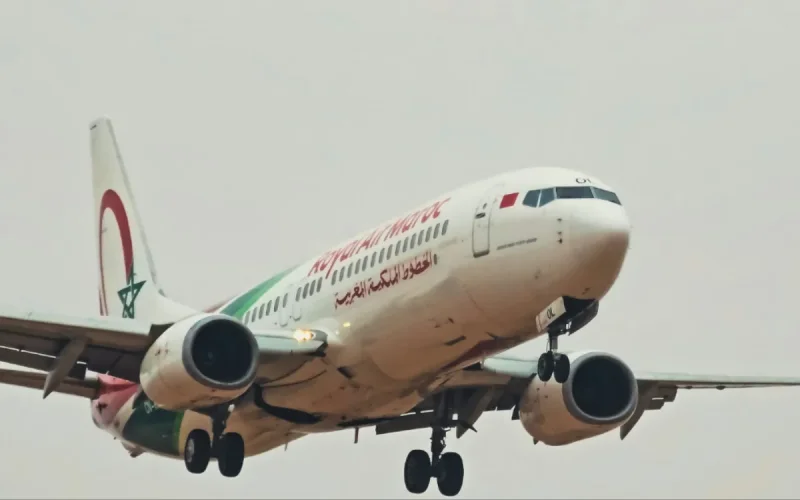
The war in the Middle East is causing a surge in kerosene prices. Direct consequence for Moroccans living abroad: airline tickets for their summer return are expected to be particularly expensive.
Since the military escalation at the end of February, the price of a barrel of fuel has more than doubled, jumping from $88 to $216. This price shock is hitting a global airline industry whose average margins do not exceed 4%.
On Bladi.net: Airline tickets: Why flights to Morocco will cost more
The International Air Transport Association (IATA) considers this financial situation untenable. As reported by Air Journal, CEO Willie Walsh warns that these additional supply costs will inevitably lead to a global increase in ticket prices. Summer vacations under the sign of inflation
This widespread price surge will directly penalize the Moroccan diaspora preparing to return to the kingdom for the summer holidays. Faced with the impossibility of absorbing these unexpected expenses, carriers are already passing on the difference to passengers, like Air France which applies a surcharge of 50 euros on certain tickets.
The logistics crisis is exacerbating this runaway inflation. The deviations of trajectories imposed to avoid the Iranian airspace considerably lengthen the duration of the journeys and the consumption, forcing the industry to ground nearly 600 aircraft to preserve its stocks.
While traditional carriers are suffering, low-cost companies are temporarily limiting the damage. Ryanair benefits from 80% fuel coverage until 2027, capturing a massive influx of travelers who are falling back on nearby destinations in Europe.
On Bladi.net: Airline tickets to Morocco more expensive?
Despite this climate of uncertainty and the disappearance of long-term supply guarantees, global demand remains strong. IATA anticipates that travelers, including summer vacationers, could simply shorten the duration of their stays while awaiting a hoped-for normalization within eight to ten weeks.
Related Articles
-

The dirham falls for the third consecutive week: 1,000 euros now bring in 131 more dirhams
19 September 2026
-

After Nadorcott, a new Moroccan mandarin is protected in Europe until 2056
19 September 2026
-
Hormuz Threatens Global Fertilizer Supplies: Morocco Holds an Asset That Has Become Strategic
19 September 2026
-
After investing €1 billion, French companies want their share of Morocco’s next boom
19 September 2026
-

French companies seek to turn Morocco’s mountains into year-round tourist destinations
19 September 2026