Morocco Announces More and More Factories, Brussels Checks What Really Exists
A report published by the European Commission distinguishes between industrial capacities already operational in Morocco and investments that have only been announced or are still under development. The Kingdom produces battery materials and certain energy equipment, but several strategic links remain absent.
The European Commission published a mapping of the clean technology industry in the Middle East and North Africa on September 4. For Morocco, the study draws on data, a document review and interviews conducted between February and May 2026.
The report recognizes the Kingdom’s solid industrial base, particularly in the automotive, aerospace, chemical and electrical equipment sectors. Its proximity to Europe, trade agreements and the infrastructure of Tanger Med also facilitate its integration into international production chains.
On Bladi.net : Morocco Poised to Enter Electric Vehicle Battery Market with $2 Billion Factory
In solar energy, Moroccan production remains concentrated on assembly and the least complex equipment. Solaris therefore has an annual module assembly capacity of 1 GW. The country also manufactures mounting structures, low-voltage solar cables and solar water heaters. However, no operational production of wafers, photovoltaic cells or solar glass has been identified. Projects involving solar-grade silicon have not yet reached the industrial stage.
The situation is also mixed in wind power. The manufacturer Aeolon produces blades in Morocco, and national metallurgical capacities could enable the manufacture of towers. But the report identifies no production of turbines, gearboxes, generators or other advanced wind components.
Battery cells still absent
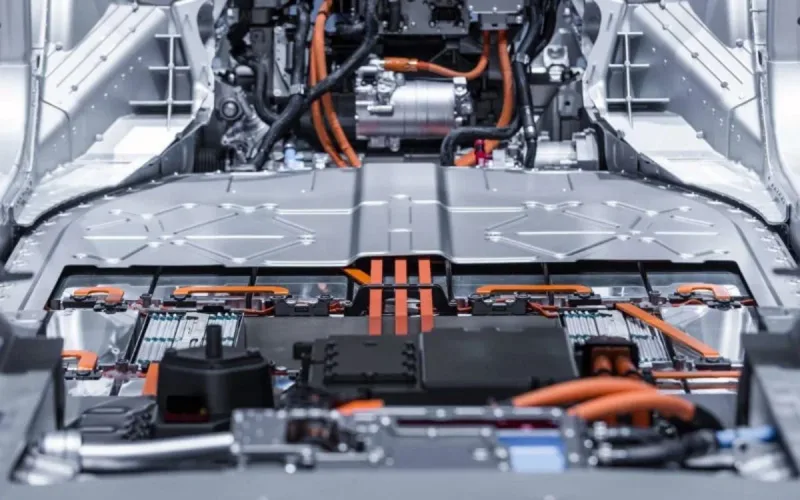
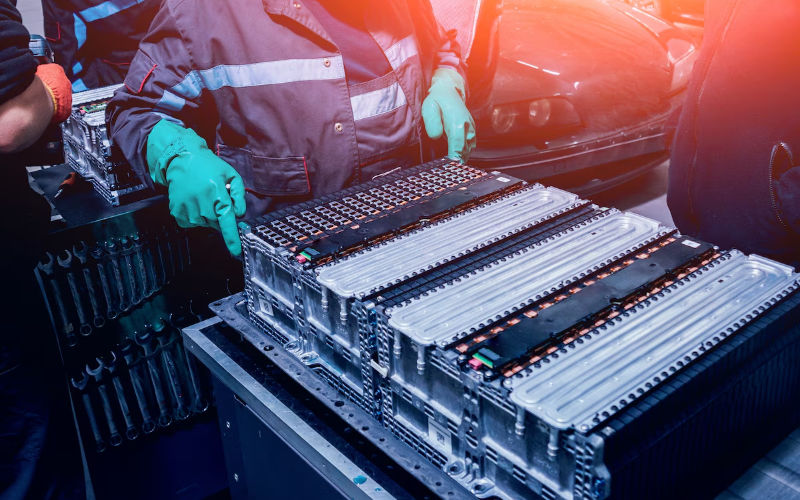
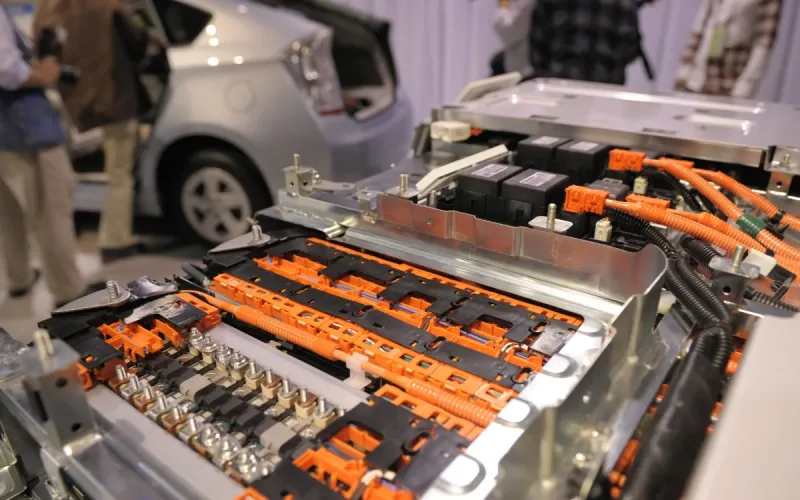
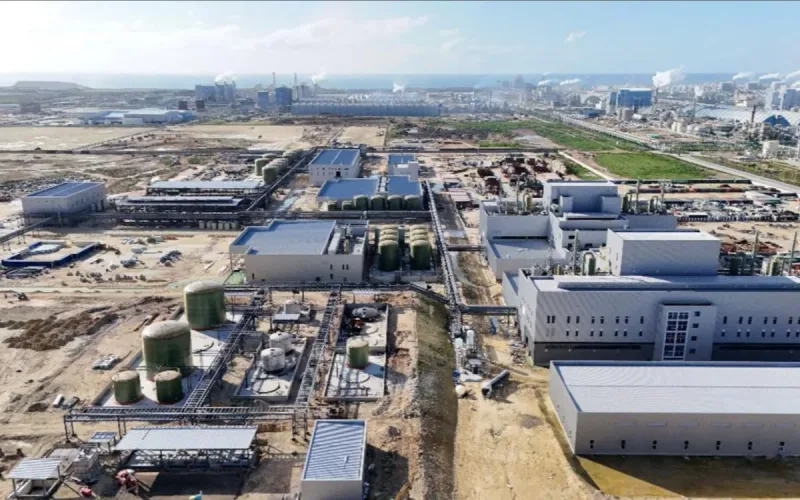
The battery sector accounts for some of the largest investments announced in Morocco. COBCO already produces cathode active-material precursors, while Morocco’s phosphate and cobalt resources support the development of a specialized ecosystem. Projects also concern cathodes, anodes and electrolytes.
The Commission nevertheless draws a clear distinction between these activities and the gigafactory projects announced in Morocco. At the time of its assessment, no battery-cell manufacturing was operational in the country. Most of the investments identified remained under development.
The gap is even greater in hydrogen. Moroccan industrial companies can supply certain peripheral equipment, but no electrolyzer stack production is operational. Activities remain limited to studies, pilot projects and proposed investments. Morocco’s ambitions to export green hydrogen to Europe therefore do not yet translate into a genuine local industrial chain.
On Bladi.net : Chinese Battery Maker to Open $280 Million Lithium Factory in Morocco
Grid equipment is the most advanced sector. Morocco manufactures transformers, switchboards and low-voltage cables. It already exports certain transformers and substation equipment, particularly to African markets. Medium-voltage cable production is beginning to develop, but high-voltage cable production has not yet been established. Advanced electronic grid-control equipment also remains largely imported.
Several stakeholders interviewed by the authors finally highlight administrative delays, authorization procedures and the slow implementation of certain support mechanisms. Human capital, industrial infrastructure and Morocco’s attractiveness are considered strengths, but project execution remains a challenge.
The European report therefore does not call Morocco’s industrial potential into question. It merely measures the capacities that are genuinely available: a factory that has been announced, even if accompanied by a substantial investment, is counted as national capacity only once production has actually begun.