
Morocco graphite batteries electric vehicles strategy
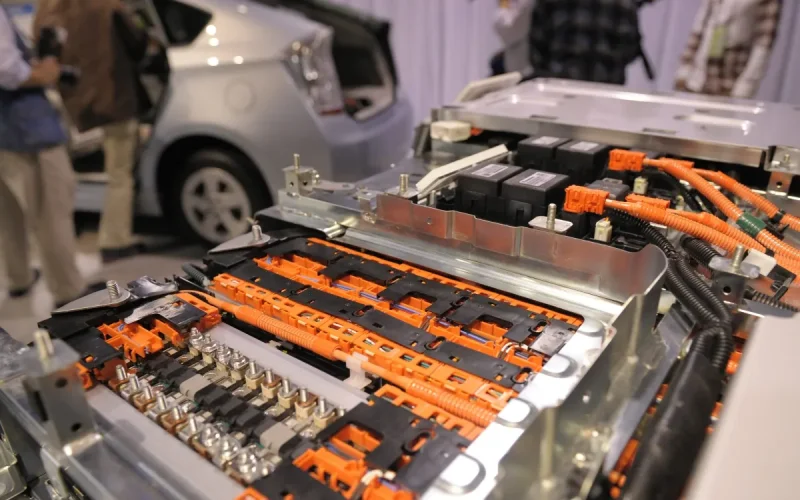
A pilot graphite processing plant for batteries has just opened near Casablanca. Behind this industrial milestone, Morocco is positioning itself on a strategic link in the electric vehicle and energy storage chain.
Morocco is advancing in the global electric battery chain. Falcon Energy Materials has announced the opening of a pilot plant near Casablanca, designed to produce purified, spheronized and coated natural graphite, a material used in battery anodes.
On Bladi.net : Morocco Aims to Become Global Leader in Electric Vehicle Battery Production
The facility does not yet correspond to large-scale industrial production. It must first manufacture qualification-scale samples for potential customers, particularly automakers and battery manufacturers.
According to Falcon Energy Materials, this pilot plant is the first Moroccan installation of its kind dedicated to CSPG, a purified graphite intended for the global battery industry.
A strategic link
The stakes go beyond the opening of a simple pilot site. Graphite is an essential component of lithium-ion battery anodes. By developing this activity in Morocco, Falcon wants to prepare a future commercial plant capable of producing 25,000 tonnes per year.
The Casablanca site is also intended to train teams, test processes, generate technical data and reduce risks before a possible transition to industrial scale. The first samples are to be produced on site during summer 2026.
For Morocco, this announcement is part of a broader dynamic around electric vehicles, batteries and critical materials. The country already has a solid automotive ecosystem and is now seeking to move up towards more strategic segments of the value chain.
On Bladi.net : Morocco’s Electric Revolution: $5.6 Billion Battery Plant to Power African Auto Industry
Falcon presents this project as a step towards building a battery anode supply chain outside of China. This is precisely where Morocco can find its place: attracting industrialists who want to diversify their sources, get closer to Europe and secure their supplies.
Related Articles
-

8.2 million dirhams for new vehicles tasked with monitoring Moroccan airport runways
18 September 2026
-
2030 World Cup: Fitch warns Morocco that cost overruns could increase its debt
18 September 2026
-

Six stations for 480 million dirhams: the LGV project transforms the Kénitra–Casablanca corridor
17 September 2026
-

“ We do not agree 100% with Israel”: Bourita explains why Morocco maintains its relations
17 September 2026
-

This Rabat neighborhood becomes the second coolest in the world, ahead of Los Angeles and Tokyo
17 September 2026