UK Could Get EU Car-Making Benefits, but Morocco Is Left Out
France and Germany have agreed on new rules to protect their automotive industries. The United Kingdom could qualify for the “Made in Europe” label, but no comparable provision is planned for Morocco, where Renault and Stellantis nevertheless operate major factories.
The United Kingdom has left the European Union, but its cars could continue to benefit from advantages reserved for European production. Cars made in Morocco, by contrast, are not among those covered by the compromise reached by Paris and Berlin on Friday, October 16. The difference in treatment leaves Renault and Stellantis’ Moroccan plants facing new uncertainty.
The Franco-German agreement paves the way for the United Kingdom to be included in the “Made in Europe” scheme, which is intended to reserve certain public contracts and European aid for vehicles produced locally. According to Reuters, this possibility would also be available to European partners that belonged to the single market on January 1, 2020. London will, however, have to accept conditions of reciprocity and align with certain EU trade measures, particularly those targeting Chinese vehicles.
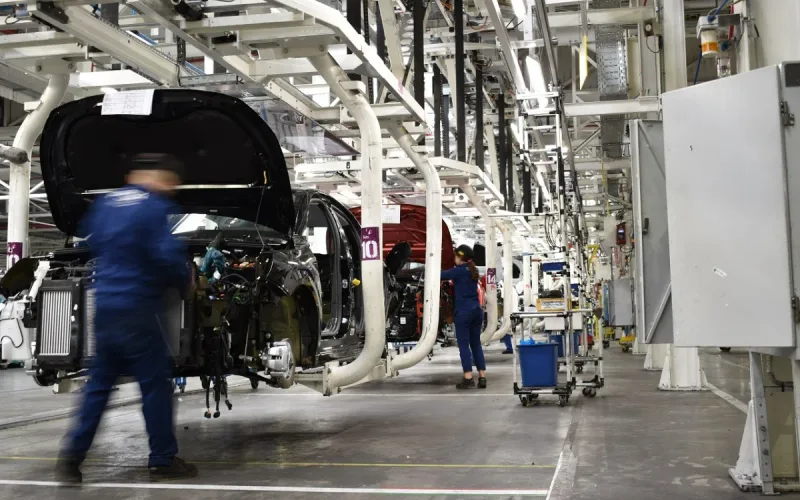
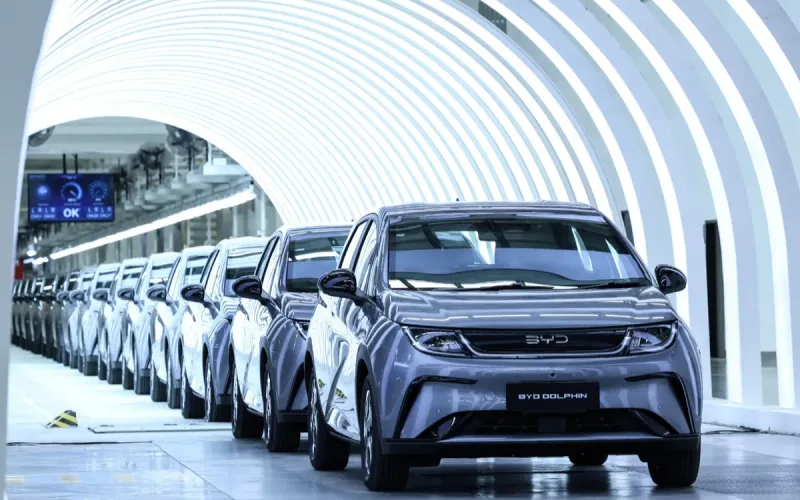
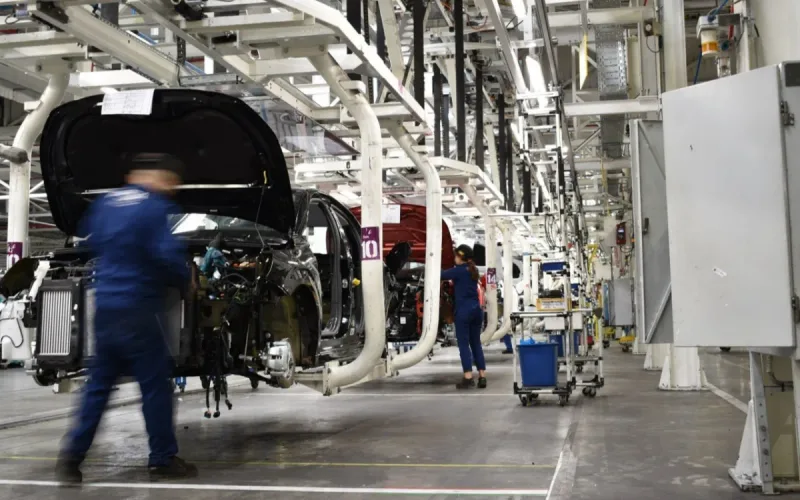
Morocco receives no comparable opening in the text presented on Friday. Yet the kingdom is home to two major European industrial bases: Renault in Tangier and Stellantis in Kenitra. These plants produce vehicles destined in particular for foreign markets and rely on a network of Moroccan and international suppliers.
The issue had already caused tensions among carmakers. The European Automobile Manufacturers’ Association (ACEA) had called for future rules to protect plants already established in Morocco and Turkey. Its aim was to prevent investments made over many years by its own members from being penalized by a change to European criteria. The compromise announced on Friday does not explicitly provide for this exception.
Manufacturing criteria could put Moroccan plants at a disadvantage
France secured Germany’s backing for stricter local-content requirements. According to information reported by Euronews, 70% of a car’s components, excluding the battery, would have to be produced in Europe to meet the new criteria. In addition, 10% of battery content would have to come from European sources.
These requirements would apply to European-preference schemes linked to public contracts and public funding, not to all cars sold in the Union. For manufacturers with operations in Morocco, the question is whether their vehicles and components will count as European when they seek to benefit from these advantages.
The compromise also provides for a major easing of climate targets for 2035. Paris agrees that carmakers can reduce average CO₂ emissions from their new cars by 90% compared with 2021, without having to offset the remaining 10%. Berlin thus secures flexibility sought by its industry in exchange for stronger protection for European production.
This industrial preference does not have unanimous support, however. In September, the Italian automotive industry had already voiced concerns about competition from Moroccan plants. Its trade association feared that a scheme too open to external partners could weaken suppliers based in the Union. Several carmakers, by contrast, support maintaining the supply chains developed with Morocco.
On Bladi.net : The Moroccan economic model in danger: Europe launches a law to block "Made in Morocco" products
The Franco-German text must still win over the other member states and the European Parliament. Morocco retains commercial access to the European market under existing agreements, but these do not guarantee that its products will benefit from the future industrial preference. The status of plants located outside the Union therefore remains to be negotiated.
Discussions are expected to continue after the European Union-United Kingdom summit scheduled for November 20. Reuters reports that a final joint text is not expected before the start of 2027. The precise terms for recognizing external partners will be among the issues to resolve.