The Moroccan economic model in danger: Europe launches a law to block "Made in Morocco" products
The European Commission is launching the Industrial Accelerator Act to relocate its strategic production. This protectionist shift threatens Morocco’s economic model, the traditional pivot of foreign investments, particularly Chinese, destined for the European single market.
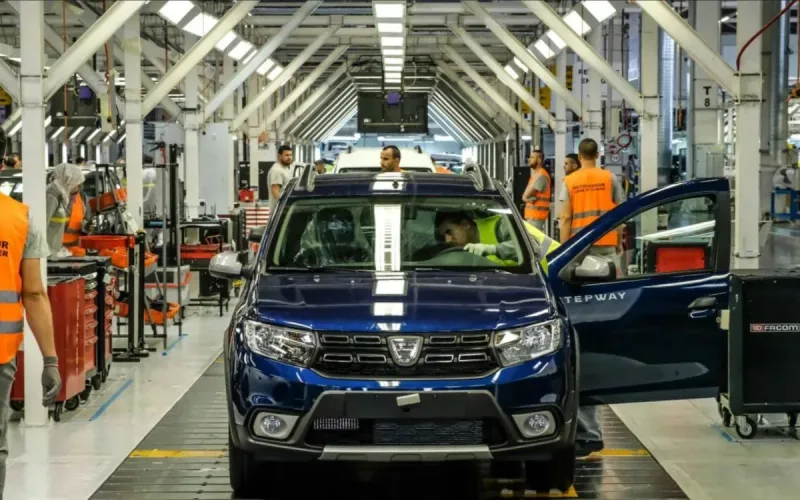
On March 4th, the European Commission unveiled the Industrial Accelerator Act (IAA). This legislative project aims to bring the share of industry to 20% of the EU’s GDP by 2035, compared to 14% currently. To counter Chinese and American competition, the European Union is now imposing a marked preference for its own products, particularly in the automotive and renewable energy sectors. Challenge specifies that this text introduces local production quotas and tightens the conditions for foreign investments exceeding 100 million euros.
On Bladi.net: Batteries: how Morocco has become China’s "secret plan" to conquer the West
This sovereignty strategy directly weakens Morocco. Until now, the country served as a platform for foreign investors wishing to access the European market without customs duties via the 1996 free trade agreement. The EU has already been applying since March 2025 countervailing duties of 31% on certain Moroccan productions, such as aluminum rims. The kingdom’s model of integration into global value chains is thus compromised by these new barriers.
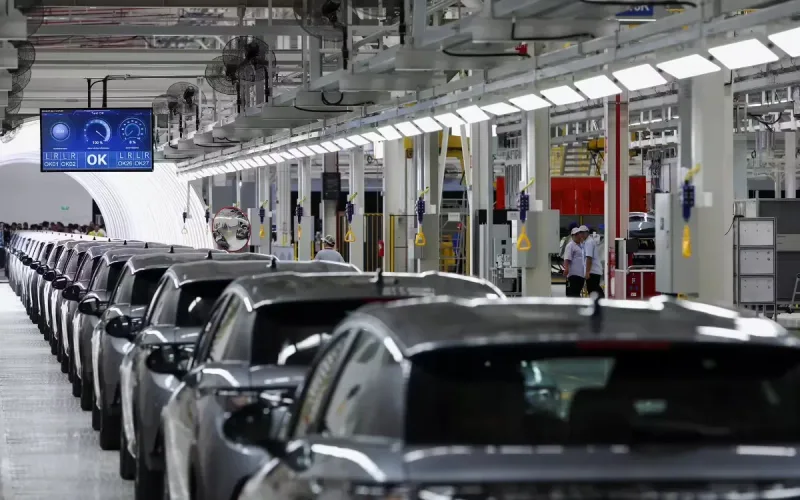
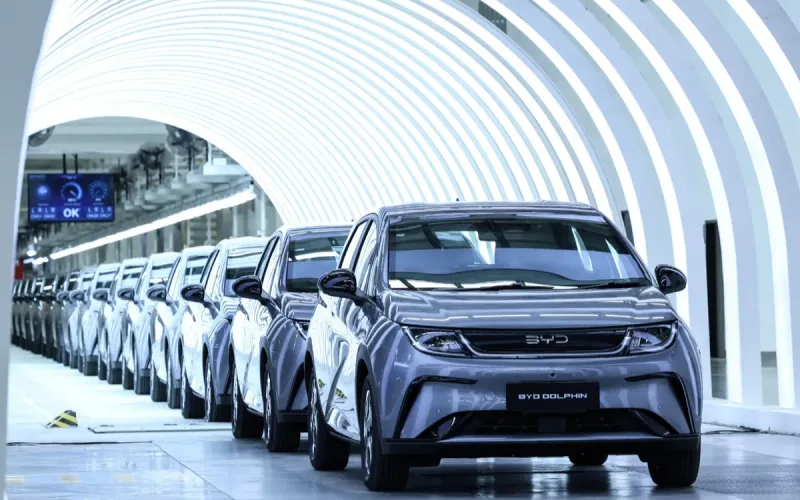
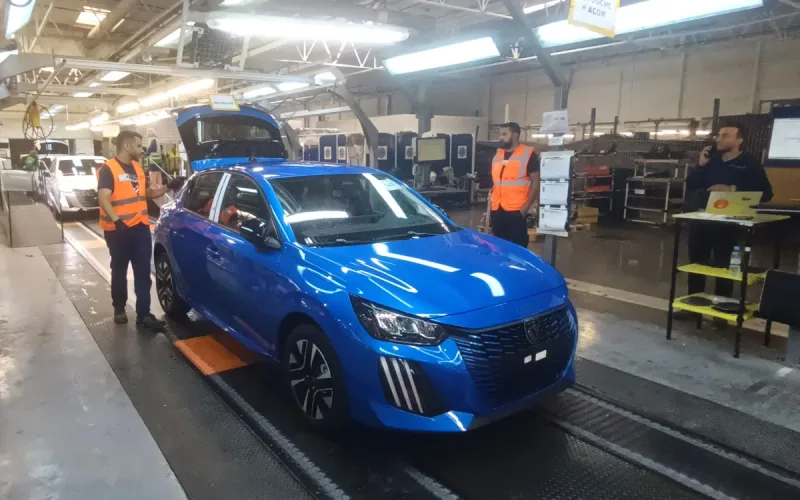
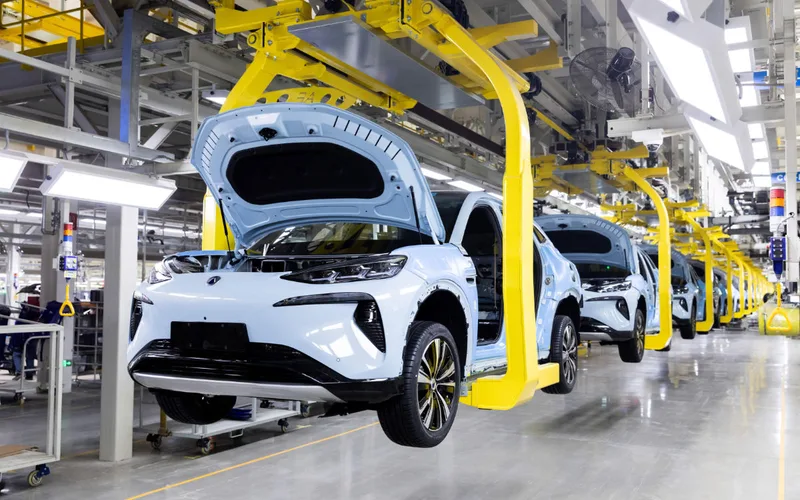
The automotive sector is at the heart of the system. The IAA requires that electric vehicles display a European content rate of 70%. Regarding batteries, they will have to integrate three exclusively European components only six months after the entry into force of the law, then five components shortly after. Even affordable cars, sold for less than 20,000 euros, will be subject to an obligation of production entirely carried out on European soil to benefit from subsidies and public contracts.
On Bladi.net: How China uses Morocco to break Western customs barriers
The outcome of the text now depends on the negotiations in the European Parliament. While France and Italy are advocating a hard line, Germany suggests including "trusted partners" linked by free trade agreements in the calculation of "made in Europe". This flexibility could preserve Morocco’s role, which itself has introduced a national preference clause in 2023. However, the Greens group opposes this expansion, arguing that it would weaken the effectiveness of this law intended to guarantee the continent’s autonomy.