How China is using Morocco to break down Western trade barriers
Morocco has captured nearly half of Chinese automotive investments in the MENA region between 2023 and 2025. Taking advantage of strategic free trade agreements, the country is becoming an essential hub for global electric battery production.
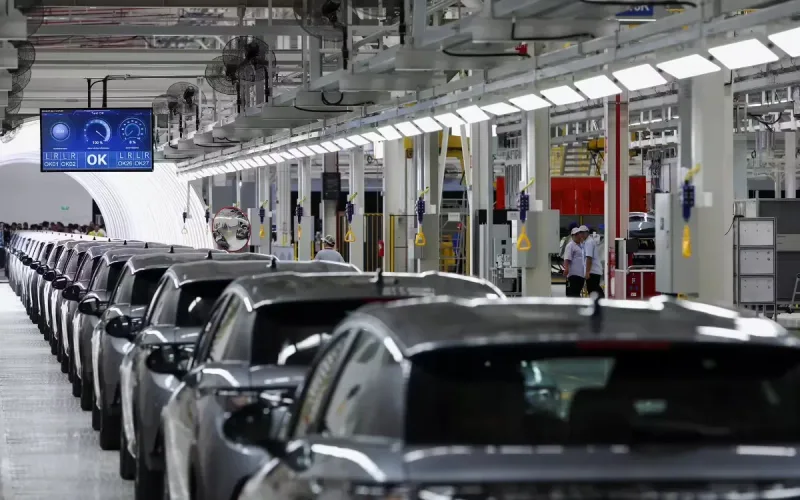
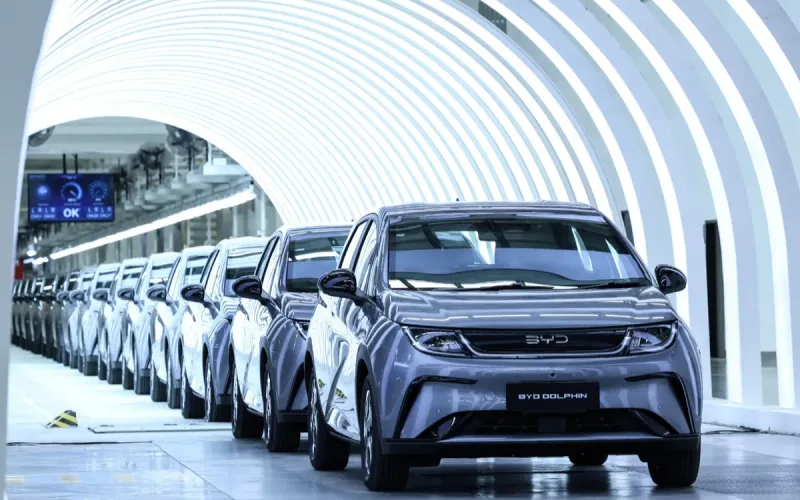
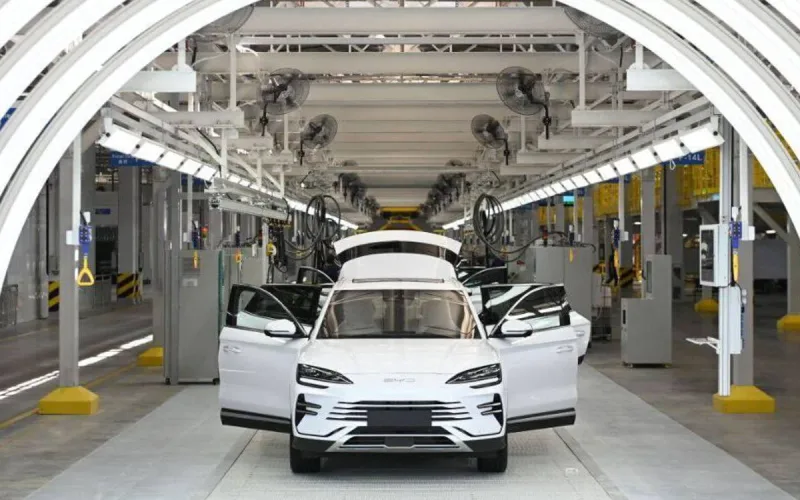
Along the Tangier-Kénitra axis, the French manufacturers Renault and Stellantis are facing massive new competition. According to a note from BMI Fitch Solutions published by Le Monde, the kingdom has attracted 23 of the 45 projects by Chinese equipment manufacturers and automakers identified in the Middle East and North Africa region between 2023 and 2025. This dynamic places Morocco far ahead of Egypt and Algeria.
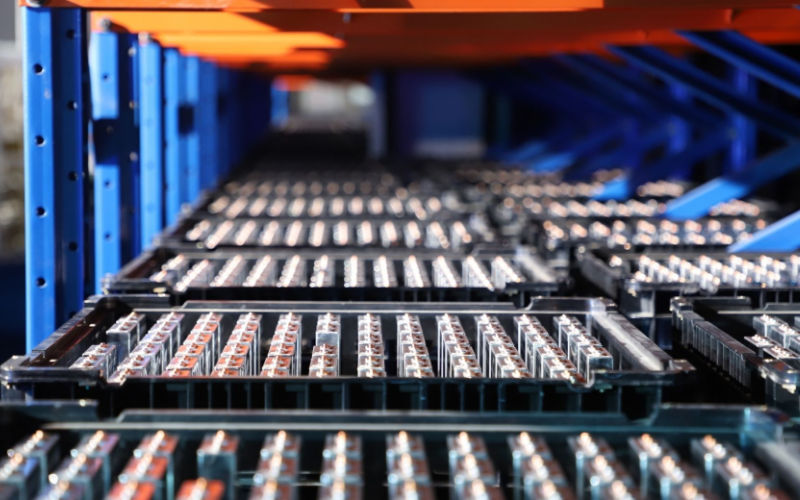
Among the flagship investments, the giant Gotion High Tech has launched a gigafactory in Kénitra for a final planned investment of 65 billion dirhams. In parallel, the CNGR Advanced Materials group is developing a battery component (anode and cathode) production unit in Jorf Lasfar that should be operational by the end of 2026.
This industrial offensive is part of a strategy to circumvent customs barriers. Chinese electric vehicles are subject to taxes of up to 100% in the United States and 45% in the European Union. By producing in Morocco, Beijing is using Rabat’s historic free trade agreements with Washington and Brussels to access Western markets, replicating the model established in Mexico. Industrial hub and LFP batteries: Morocco’s strategic shift
To benefit from these customs advantages, companies must comply with the Pan-Euro-Mediterranean (PEM) convention, which requires that non-regional components do not exceed 45% of the vehicle’s value. Morocco relies on a skilled workforce and world-class infrastructure, such as the Tanger Med port, to ensure the fluidity of these exports to Europe.
The Kingdom’s main asset also lies in its subsoil, which holds 70% of the world’s phosphate reserves. This ore is essential for the manufacture of LFP (lithium, iron, phosphate) batteries, a less expensive technology in which China is the global leader. Experts predict that Morocco will become a global production hub for these batteries by the mid-2030s.
Faced with this breakthrough, the European Union is trying to react through its "green partnership" and record financing from the European Investment Bank, amounting to 740 million euros in 2025. However, researcher Ahmed Aboudouh points out that the balance of power seems difficult to reverse, as the Chinese presence offers massive immediate gains for the Moroccan economy.