Agriculture: how Moroccan tomatoes have established themselves as leaders in the European market
In 2024, Morocco exported unprecedented volumes of fresh tomatoes to Europe. This major performance consolidates the strategic position of the kingdom, which is now seeking to diversify its international markets in 2026.
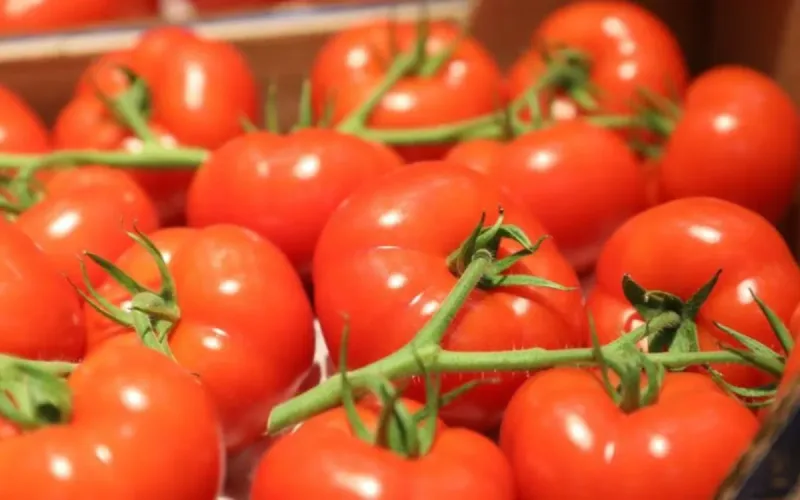
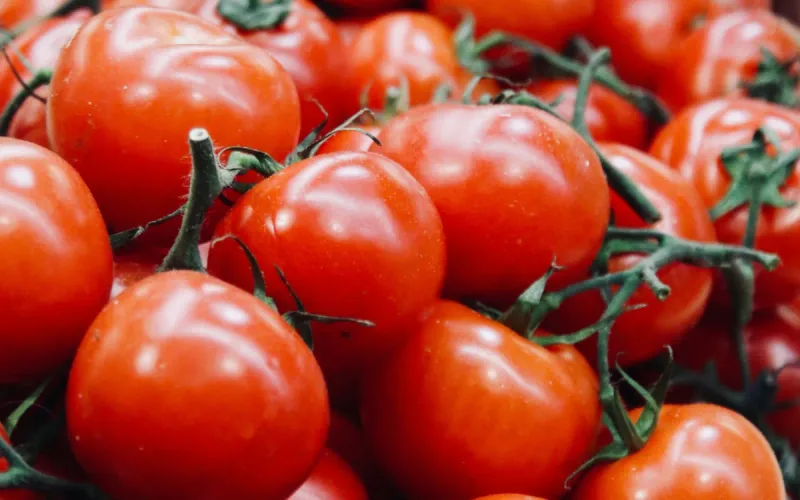
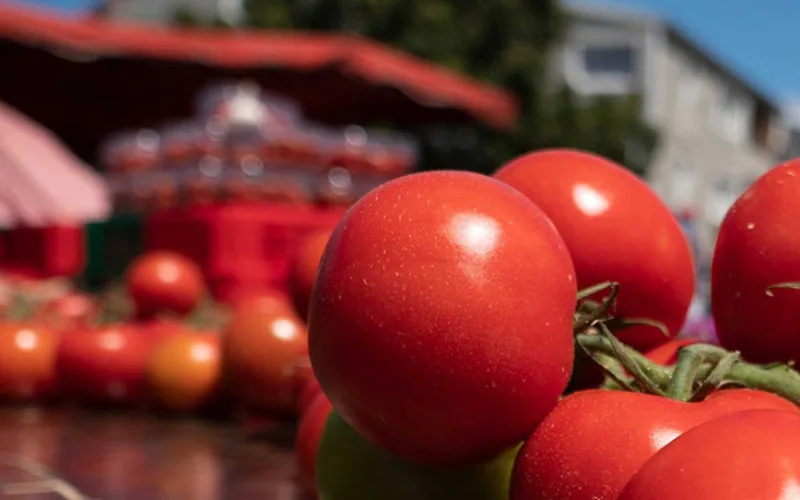
Moroccan shipments of fresh tomatoes recorded historic results during the year 2024. According to data published by Trade Map, the shipped volume amounts to 767,347 tons. This quantity represents a total value of over $1.15 billion, demonstrating the country’s strong international competitiveness in this agricultural sector.
On Bladi.net: Morocco, the undisputed leader of European wheat
The European Union is the main receiving area, capturing 75.6% of these goods, while the United Kingdom absorbs 16.58%. This commercial dynamic allows Morocco to dominate the supply chains: it rises to the top of the suppliers on the British market and establishes itself as the leader of third countries exporting to the European area.
This hegemonic position, however, faces challenges related to European classification and labeling requirements. France and Spain have issued reservations, although the European Union institutions have formally denied the existence of any tax infringement. "These observations are part of the reciprocal trade relations," explain the industry experts, recalling Morocco’s strong dependence on these nations for its cereal imports.
On Bladi.net: Moroccan tomatoes: The Kingdom crushes the competition with 70% of the European market!
In order to reduce this vulnerability towards the European continent, the government has deployed a new financial support program in March 2026. A premium of 750 dirhams is now allocated for each ton shipped to new geographical areas. This strategy aims to open alternative markets, ensure stable incomes for farmers, and sustain the overall growth of national exports.