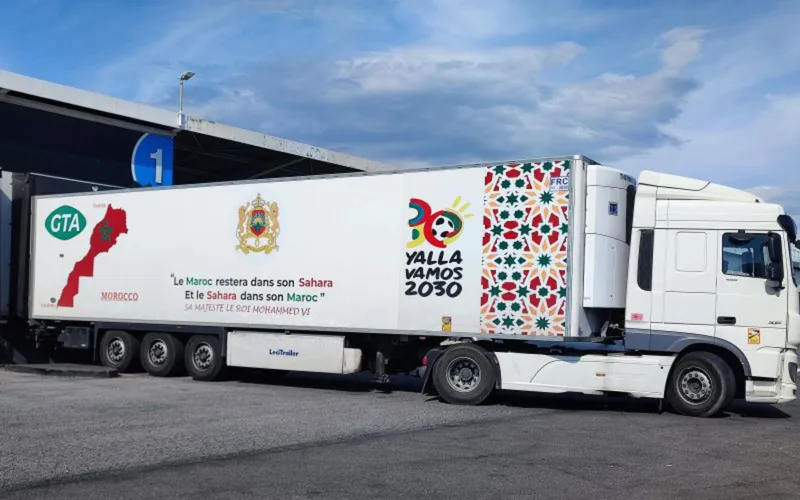
Morocco's Tomato Dominance Crushes Spanish Farmers: EU Imports Soar 269%
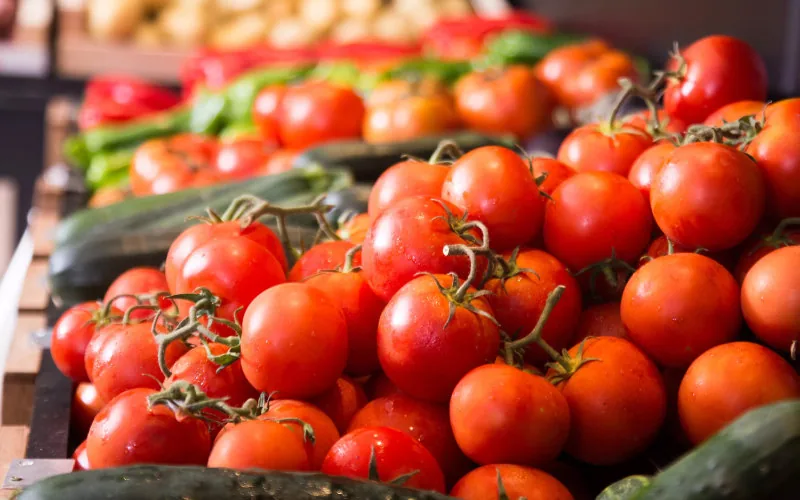
The Moroccan tomato continues to dominate the Spanish and European market, much to the chagrin of Spanish producers. Morocco’s exports to the European Union continue to increase.
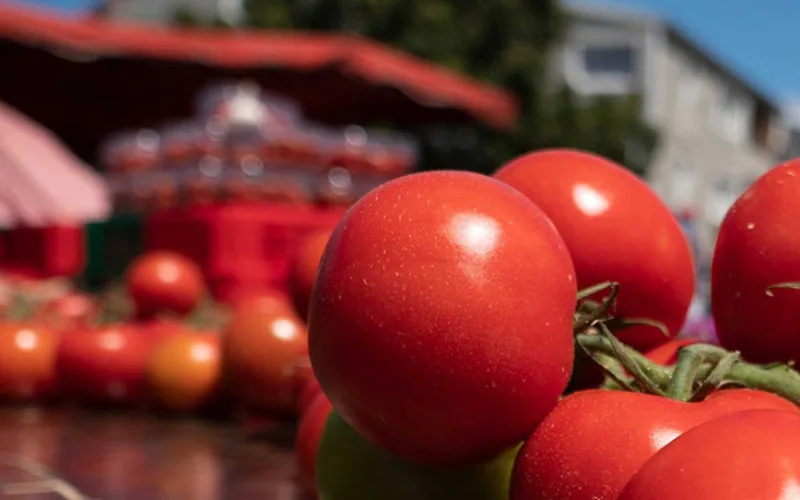
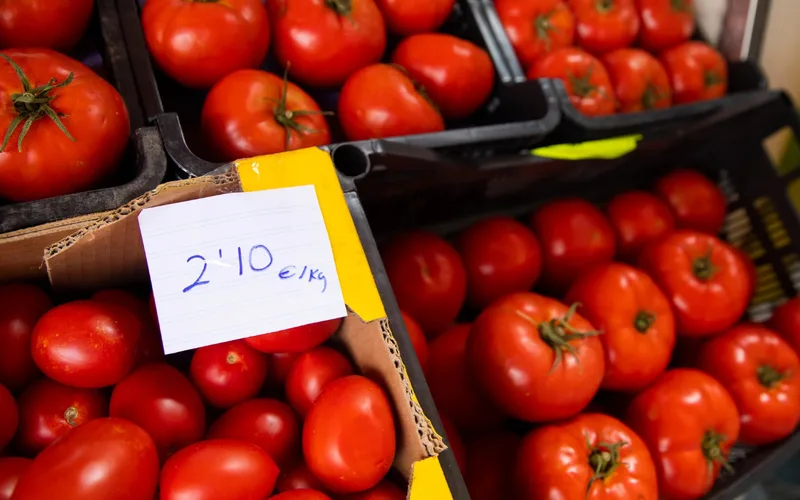
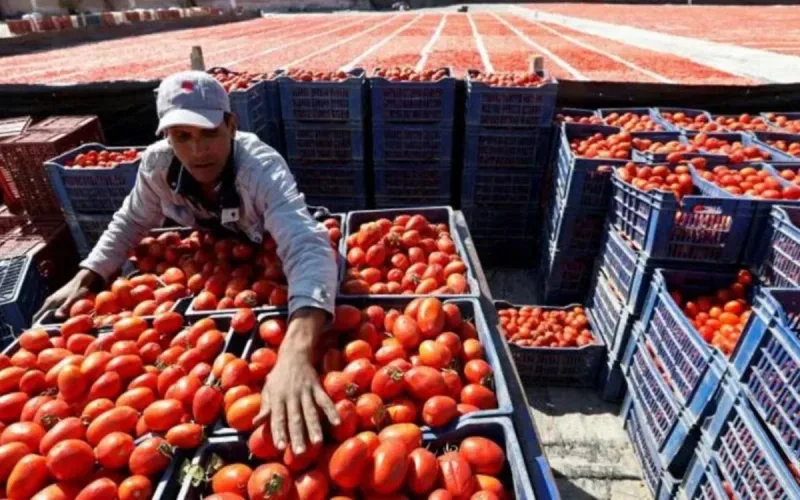
Spain exported 786,599 tons of tomatoes to the EU in 2014 compared to 591,098 tons in 2024, a 25% decline (not counting the British market). At the same time, imports of Moroccan tomatoes have increased by 269% in a decade, from only 18,045 tons to more than 66,600. In Spain, imports are still breaking records. In total, 46,742 tons came from the neighboring country during the first half of 2025, an increase of 56% compared to the same period the previous year. The bill has also skyrocketed: 78.63 million euros, an 85% increase compared to 2024. The average price per kilo has increased from 1.41 to 1.68 euros in just twelve months, which implies that the Moroccan tomato is no longer synonymous with low cost exclusively.
How is Morocco crushing Spanish competition? The kingdom is developing more profitable varieties, particularly cherry tomatoes, to the detriment of cheaper types. "A kilo of cherries requires much more labor than a kilo of salad tomatoes, and this is where Morocco takes advantage of the difference in labor costs to gain an advantage over Europe," explains Andrés Góngora, national head of fruits and vegetables at COAG. And he points out: the plantations installed in the Sahara, where hundreds of hectares produce tomatoes that could be marketed as Moroccan despite the EU Court of Justice’s October 2024 ruling banning this labeling.
However, producers "have been denouncing for years that the Association Agreement between the European Union and Morocco has opened the door to what they consider unfair competition, which in practice is reducing their profit margins," reports El Debate. Farmers cite regulatory differences. Rabat and Madrid operate in the same market, but the kingdom has lower labor costs and does not comply with the same obligations regarding the use of water resources or social matters. According to them, the collapse of producer prices and the constant advance of the Moroccan tomato in Europe are explained by this regulatory gap.