EU-Morocco Deal Sparks Agricultural Turmoil: Spanish Farmers Face Saharan Fruit Flood
The new agreement between the European Union and Morocco including the Sahara is worrying European fruit and vegetable producers who fear a continuation of unfair competition from the kingdom.
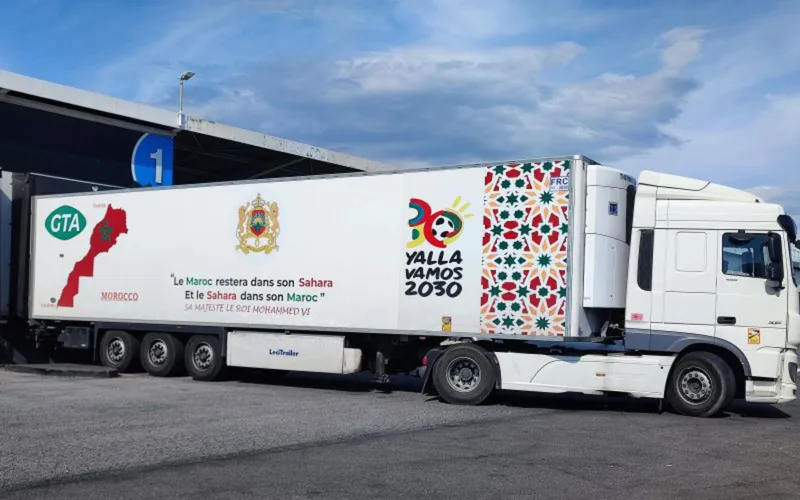
The European Commission has found a way to circumvent the two decisions handed down on October 4, 2024 by the Court of Justice of the European Union. It has just approved the modification of part of the association agreement with Morocco, allowing products grown in the Moroccan Sahara to benefit from the same tariff advantages as Moroccan products.
However, the Court had ruled that this agreement was not valid, as it had been concluded without the consent of the Sahrawi people, and ordered that fruits and vegetables produced in the Sahara be clearly identified as such on the labels. But the new labeling system proposed lacks clarity and risks misleading buyers. This is what the Fepex, the Federation of Spanish Fruit and Vegetable Producers, has explained about this new agreement.
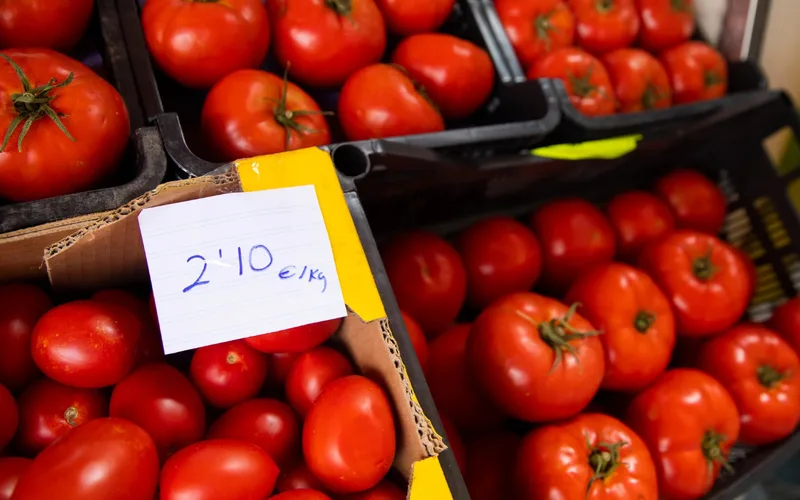
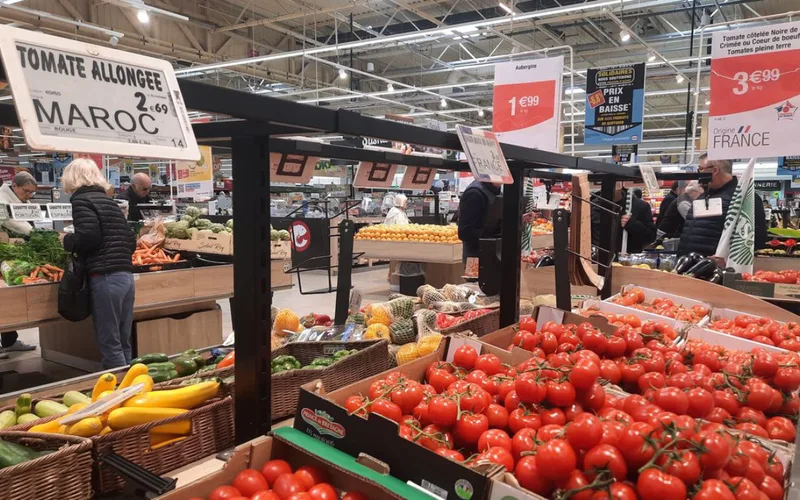
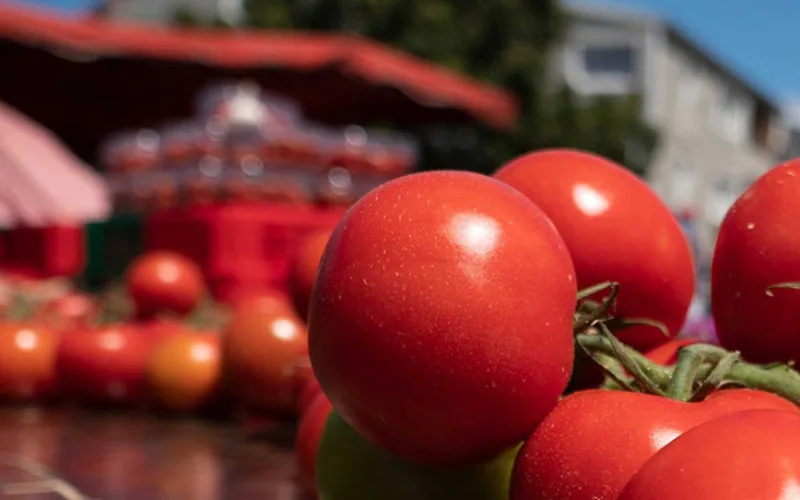
With this modification, tomatoes, fruits and vegetables produced in the Sahara will be able to enter the European Union with the same tax reductions as Moroccan products. This will inevitably cause a surge in sales from this region to Europe and put even more pressure on European farmers, who are already suffering greatly from Moroccan competition. The example of Spain is striking.
The production of tomatoes for the fresh market has fallen from 2,320,990 tons in 2014 to only 1,649,750 tons in 2024, a drop of 31%. Spanish tomato exports to the European Union have also fallen by 25% between 2014 and 2024, from 786,599 tons to 591,098 tons. Meanwhile, Spanish imports of Moroccan tomatoes have exploded by 269%, rising from 18,045 tons in 2014 to 66,624 tons in 2024.
Fepex is asking the Council of the European Union not to approve this proposal from the European Commission and to also submit it to the European Parliament for debate. The organization insists that this measure does not respect the rulings of the CJEU of October 4, 2024 and that it is detrimental to European fruit and vegetable producers.
The latter should face a massive influx of Saharan products due to the advantageous conditions of the agreement with Morocco, while these products are not subject to the same requirements as European production in terms of labor rights, pesticide control and food safety.