Is Morocco a reliable partner? Spain contradicts itself amid the Ceuta crisis
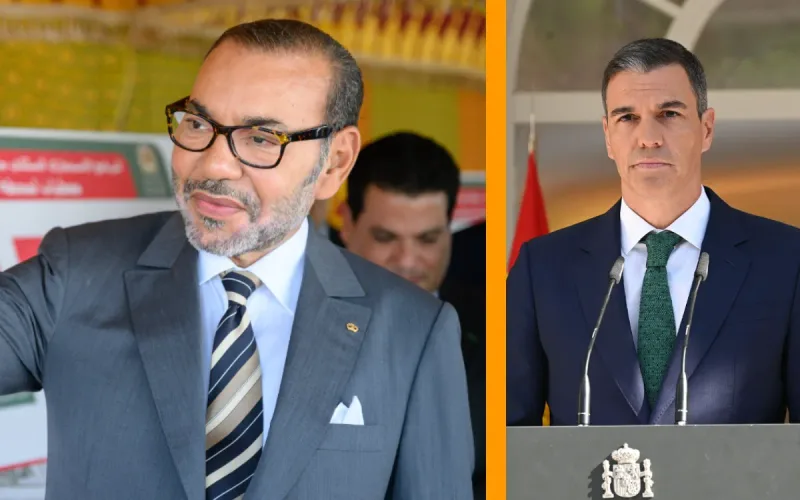
In Madrid, the government describes Morocco as a “reliable and loyal” neighbour. In the Canary Islands, a regional official says exactly the opposite and accuses Rabat of playing with “marked cards”. Two opposing Spanish messages, delivered on the same day.
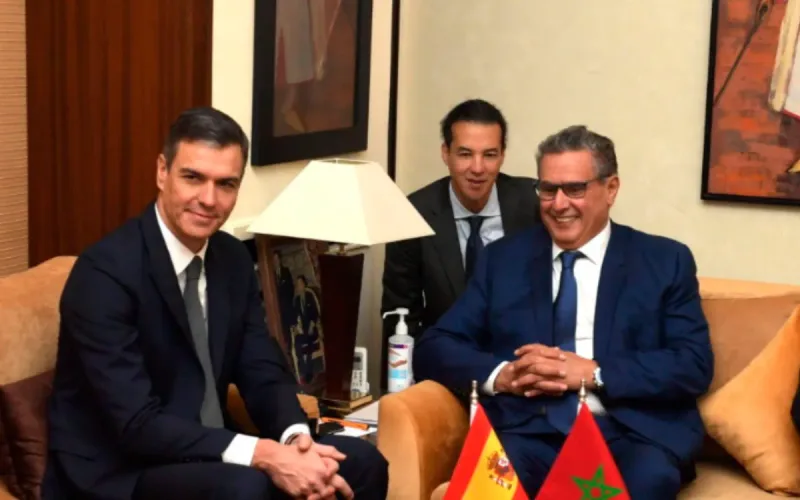
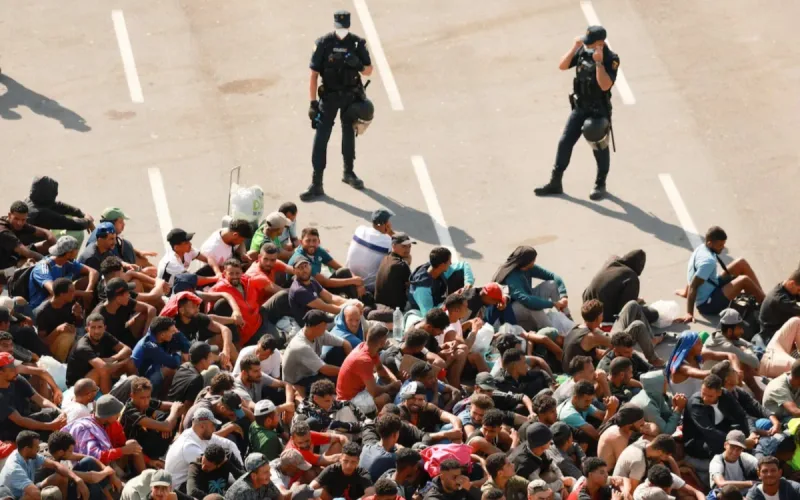
The spokesperson for the Spanish government and Minister of Inclusion, Elma Saiz, reaffirmed Madrid’s confidence in Moroccan cooperation on Monday. Despite the mass arrivals recorded in Ceuta at the end of July, she considers Rabat a reliable partner on migration issues.
“Morocco is a reliable and loyal neighbouring country,” the minister said in an interview with Spanish public television, according to Europa Press. She also called for speculation about possible responsibility by the Moroccan authorities in the crisis not to be fuelled.
On Bladi.net : Ceuta and Melilla: Morocco and Spain Tell Different Stories
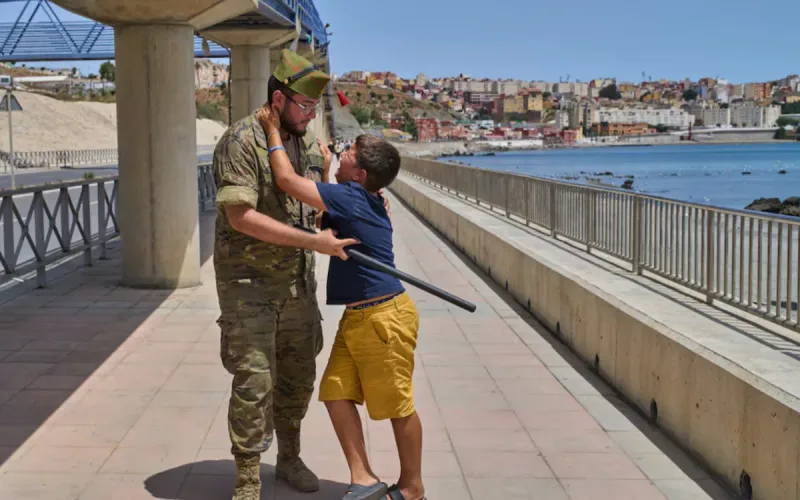
This position reflects the line followed by Pedro Sánchez’s government. Madrid insists on returns to Morocco and on the cooperation that made it possible to quickly reduce the number of migrants who remained in the city. At the same time, Spain nevertheless sent 150 additional troops to Ceuta.
Two irreconcilable Spanish views
A few minutes earlier, Antonio Morales, president of the Cabildo of Gran Canaria, had offered a radically opposite analysis. He calls on Madrid and Brussels to stop being “naive”, arguing that Morocco “is not a reliable partner” and that it “plays with marked cards”.
In an opinion piece carried by Europa Press, the Canary Islands official accuses Rabat of using migration cooperation when it serves its interests, then loosening it in order to obtain concessions from Spain or the European Union.
Antonio Morales believes that Morocco has turned migratory pressure into an instrument of foreign policy. He considers this strategy all the more worrying because the Kingdom now benefits from increased political and military support from the United States and Israel following the Abraham Accords.
The president of the Cabildo also criticises Pedro Sánchez’s change of position on the Sahara. In his view, this shift has not stabilised bilateral relations, but has reinforced the idea that Spain could give in under pressure. His statements extend the climate of mistrust observed in the Canary Islands, a few days after the remarks by the president of Las Palmas, who said that the inhabitants of the archipelago would “never be Moroccans”.
This contradiction should nevertheless be qualified. Elma Saiz speaks on behalf of the Spanish government, whereas Antonio Morales heads the island administration of Gran Canaria and does not set the country’s foreign policy. His intervention nonetheless reveals the depth of the disagreement between Madrid and certain officials from the Spanish territories closest to Morocco.
On Bladi.net : Morocco-Spain: €23 billion that make a break-up almost impossible
On the same day, Morocco was therefore presented in Spain both as an indispensable partner and as a neighbour to be wary of. The Ceuta crisis has not merely weakened the relationship between Rabat and Madrid: it is now openly dividing Spanish officials over how much trust they can still place in the Kingdom.