Morocco-Spain: €23 billion that make a break-up almost impossible
Despite tensions surrounding Ceuta, Morocco and Spain have never been so closely linked economically. Trade, automotive, textiles, tourism and energy now form an interconnected web of interests that a prolonged crisis would make both countries pay for.
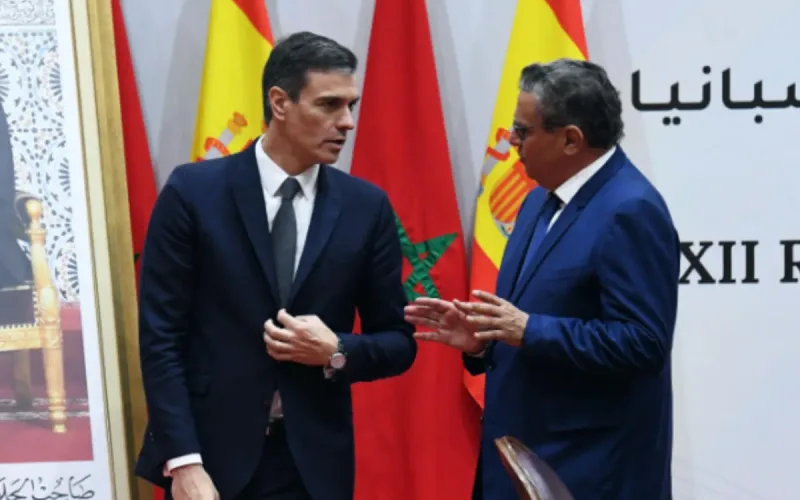
In 2025, trade in goods between Morocco and Spain reached precisely €22.757 billion. This record amount casts current diplomatic tensions in a different light: Rabat and Madrid can toughen their rhetoric, but a genuine break-up would carry a considerable economic cost.
According to data compiled by the EFE news agency, Spanish exports to Morocco rose by a further 3.5% in the first half of 2026, reaching €6.420 billion. In the opposite direction, Spanish purchases of Moroccan products increased by 4.1%, reaching €5.795 billion.
Spain thus remains the kingdom’s leading bilateral trading partner, both as a supplier and as a customer. More than 350 Spanish companies are also established in Morocco in the automotive, infrastructure, energy, banking, textile and tourism sectors.
On Bladi.net : Morocco Could Make Spanish Companies Pay for the Battle Over the 2030 World Cup
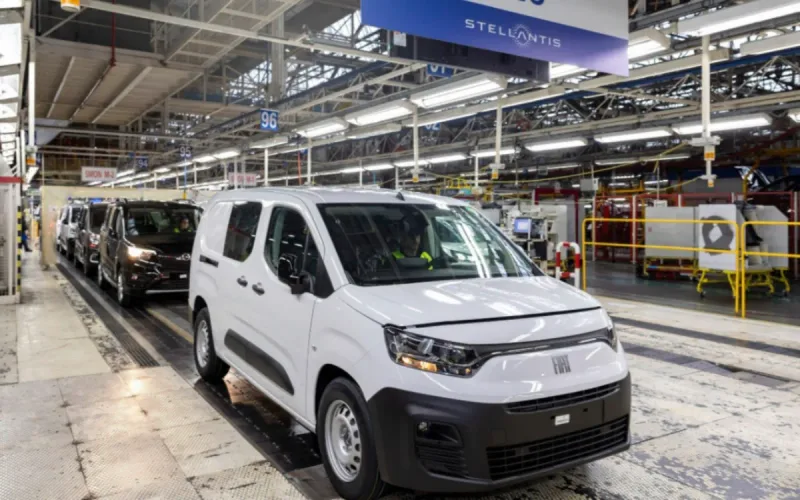
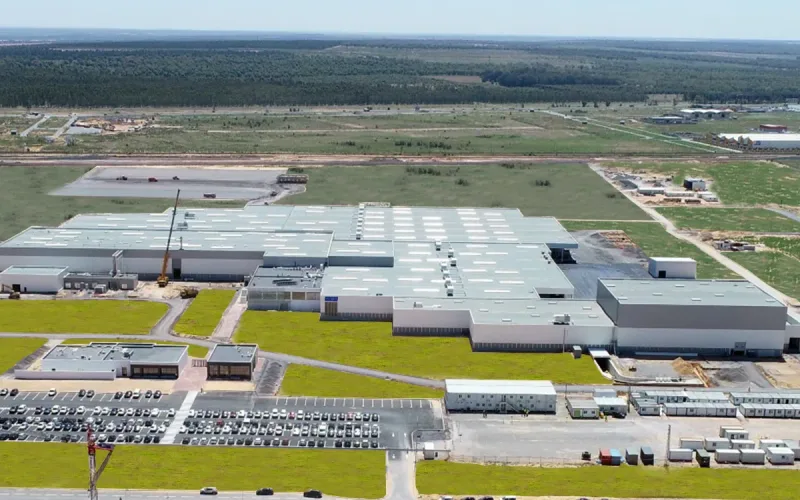
Interdependence is particularly strong in the automotive sector. Morocco exports around 90% of its production, and Spain alone absorbs nearly 20% of these sales. The Renault plants in Tangier and Casablanca and Stellantis’s plant in Kénitra operate at the heart of an industrial chain connected to European sites and suppliers.
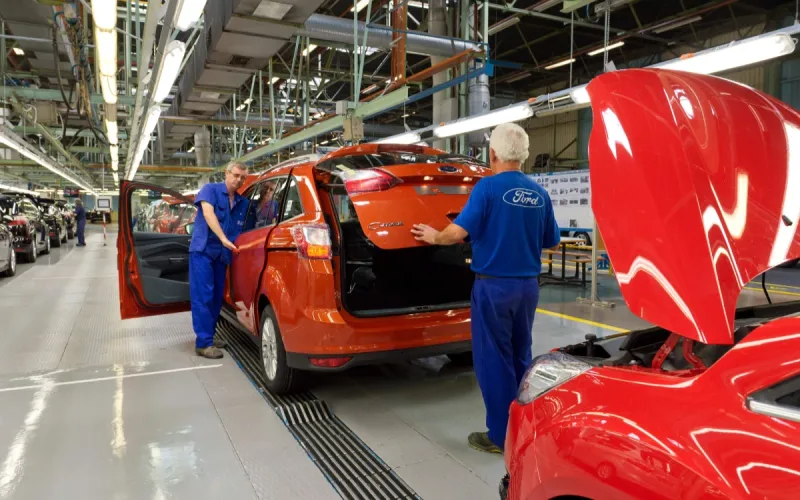
More than 90 companies from the Basque automotive sector alone already supply Moroccan industry. Gestamp, Antolín, CIE Automotive and Ficosa also have operations in the kingdom. For these groups, Morocco’s geographical proximity represents an advantage that would be difficult to replace with Asian suppliers.
A crisis would cost both countries, but not in the same way
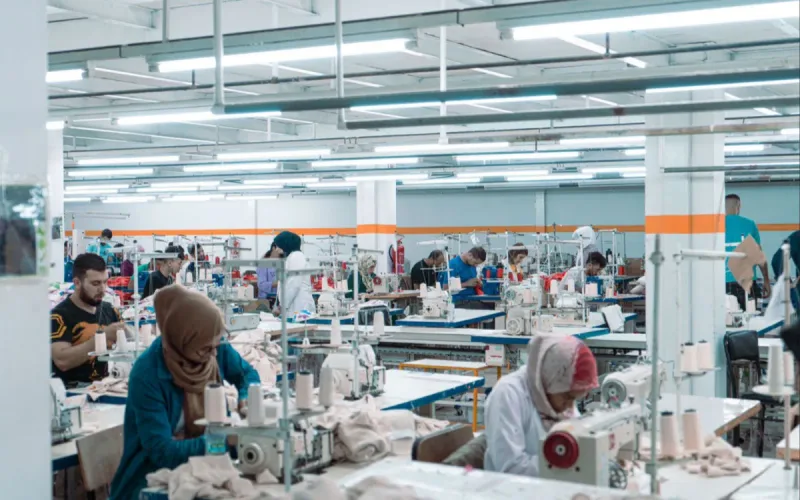
Textiles constitute another sensitive link. Morocco is home to one of the ten major hubs of suppliers and manufacturers integrated into Inditex’s global chain. The Spanish group also operates 35 stores in the kingdom. A break-up would therefore simultaneously affect Moroccan orders, Spanish supply chains and thousands of jobs.
Tourism further strengthens this relationship. In 2025, 4.6 million Spanish visitors travelled to Morocco, an increase of 12% in one year. Spain is now the kingdom’s second-largest tourism market after France, while Barceló, Meliá, Iberostar and other Spanish groups have a direct presence in Moroccan hotels.
There is also a less visible energy dependence. In 2025, Spain supplied the equivalent of 8% of Morocco’s electricity demand and nearly a quarter of its imports of petroleum products. The two countries are also working on a third electricity interconnection beneath the Strait of Gibraltar.
This accumulation of ties does not prevent power struggles. Madrid is studying energy levers to use against Morocco, while Rabat could review Spanish companies’ access to its future markets. But every pressure exerted on its neighbour now risks damaging established interests on both sides of the strait.
On Bladi.net : Morocco-Spain Trade Reaches Record Highs in 2024 Despite Customs Issues
The relationship nevertheless remains asymmetrical. The Spanish economy, which is larger and more diversified, would absorb a decline in trade more easily. Morocco would be more exposed because of its integration into European industrial chains. Even so, with nearly €23 billion in annual trade, hundreds of companies and shared infrastructure, a complete break-up would no longer be a simple diplomatic decision: it would force each of the two countries to penalise itself.