After Ceuta, Madrid quietly prepares its “plan B” to pressure Morocco
Officially, Madrid continues to praise its cooperation with Rabat. But according to RTVE, the Spanish government is simultaneously examining the energy levers it could use to deter Morocco in the event of a new migration crisis.
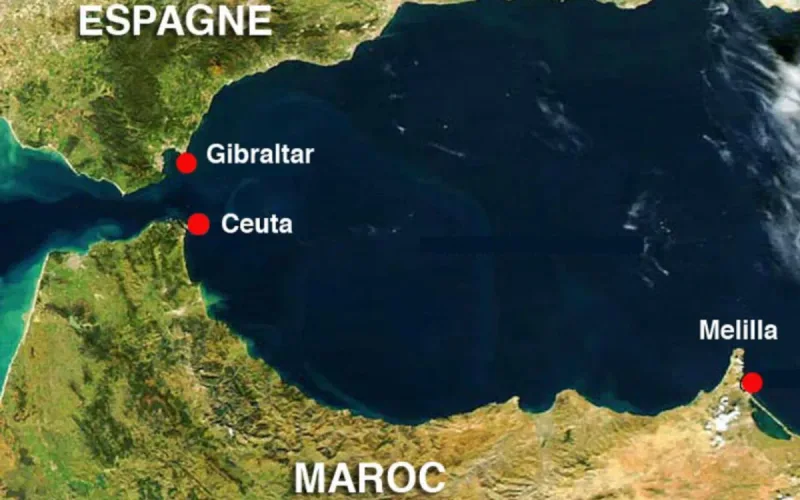
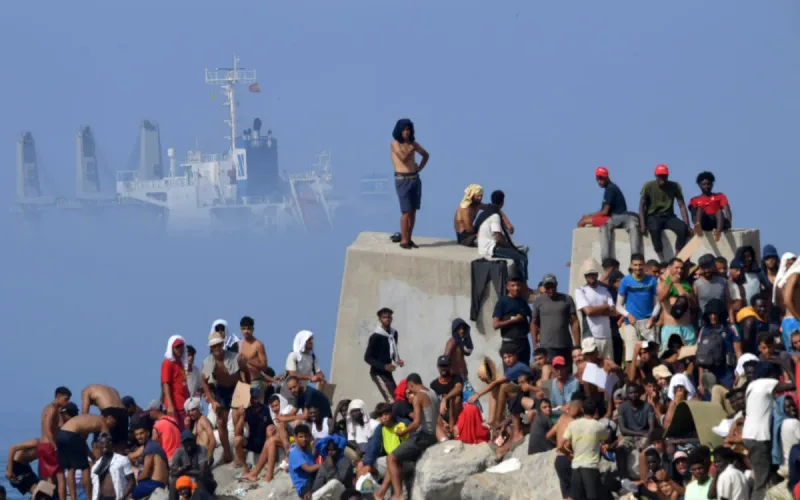
The contrast is striking. As recently as July 30, amid the crisis in Ceuta, Spain’s Interior Ministry described its cooperation with Morocco as “exemplary,” including in the area of migration. Fernando Grande-Marlaska thanked the Moroccan authorities for their efforts to prevent irregular departures. The ministry’s official statement emphasized coordination between the two countries.
On Bladi.net : Israel, Spain and Sebta: A New Diplomatic Clash Over Migration
Yet less than three weeks later, Madrid is working on an entirely different scenario. RTVE reports that the Spanish government is studying an “energy contingency plan against Morocco.” The aim would be to determine what means of pressure could be used if a new migration crisis broke out and Madrid believed Rabat was involved in triggering it.
At this stage, this is not a decision to cut off gas or electricity supplies to Morocco. Madrid first wants to know what leverage it has and assess the kingdom’s dependence on Spanish infrastructure. According to RTVE, these measures would primarily serve a deterrent function.
Officially a partner, potentially under pressure
The choice of energy is not insignificant. In a second report, RTVE states that 90% of the gas imported by Morocco passes through Spain or its regasification infrastructure before reaching the kingdom. Electricity exchanges with Spain can also cover, according to the public broadcaster, up to 20% of Moroccan consumption.
The gas purchased by Morocco on international markets can in particular be unloaded at Spanish terminals and then transported to the kingdom via the Maghreb-Europe gas pipeline, which has been used in the opposite direction since 2022. These are all transit points that Madrid now wants to examine from the perspective of the balance of power.
The difference between the public discourse and the preparations behind the scenes is clear. On the one hand, Spain still presents Morocco as an indispensable partner and praises its cooperation on migration. On the other, it is already seeking to identify which points of dependence could allow it to significantly toughen its response during a future crisis.
On Bladi.net : Ceuta Melilla Morocco Trade Blockade Tensions
Madrid is therefore not threatening Rabat today with turning off the tap. But after Ceuta, it wants to know precisely which taps it controls and how far it could use them to put Morocco under pressure.