Madrid-Rabat Summit: Morocco's Advances Reshuffle the Cards
The Spanish and Moroccan governments are meeting in Madrid on Thursday for a High-Level Meeting (RAN) with multiple stakes. While migration cooperation has shown spectacular results, there are still gray areas, particularly on the fluidity of trade at land borders, in a diplomatic context marked by Rabat’s advances on the Sahara issue.
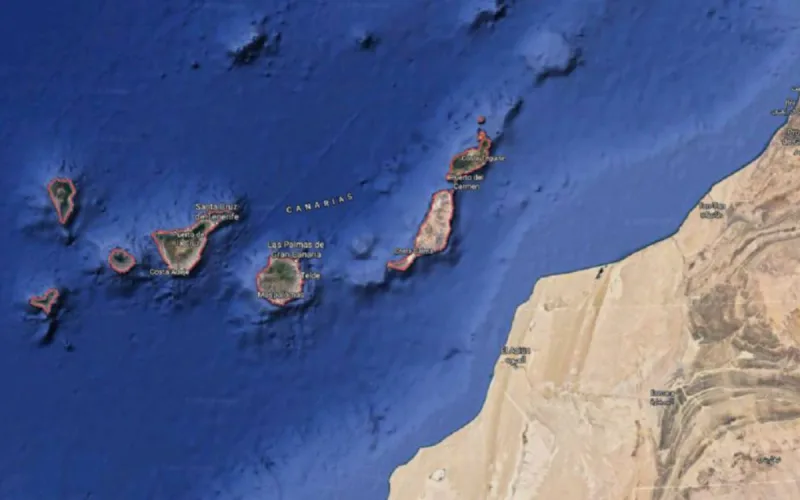
The Spanish authorities are approaching this summit by hailing the effectiveness of the joint fight against irregular immigration, writes El Pais. The figures from the Ministry of the Interior are eloquent: between January 1 and November 15, illegal entries into Spain fell by 41.5% compared to the previous year. The drop is particularly drastic in the Canary Islands, where maritime arrivals have fallen by 63%, with 14,690 migrants recorded.
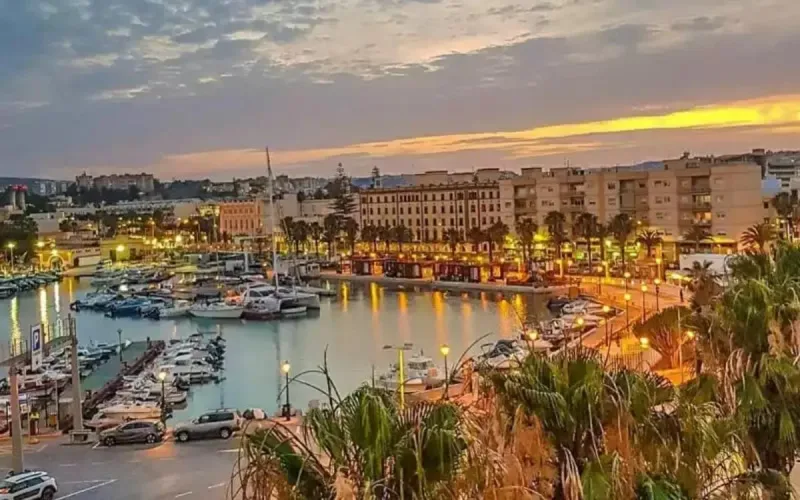
However, the picture is more contrasted elsewhere. Arrivals in the Balearic Islands have soared by 41.7%, mainly from Algeria, while entries into Ceuta and Melilla, particularly by land, have increased by more than 40% to reach 3,380 people.
The other point of friction concerns the commercial customs of Ceuta and Melilla. Theoretically reinstated last January, they have not produced the expected results. Employers’ organizations denounce a goods transit "almost paralyzed" by the restrictions. The official figures presented to the Senate confirm this blockage: only 42 commercial shipments to Ceuta and a single tiny shipment of 88 kilos via the Tarajal customs have been recorded. In Melilla, the volumes remain anecdotal. The situation is even likely to worsen in the short term with the work undertaken by Morocco at the Ceuta border, which is already causing delays of several hours.
Despite these blockages, the overall economic dynamic remains positive. Spain has established itself as Morocco’s leading trade partner, with exports reaching 12.859 billion euros in 2024. Madrid is now seeking to encourage investments to catch up with France and the United Arab Emirates in this area.
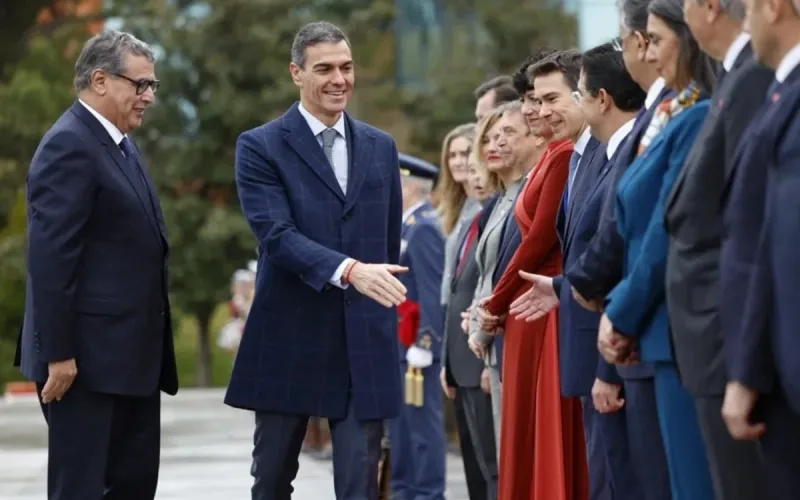
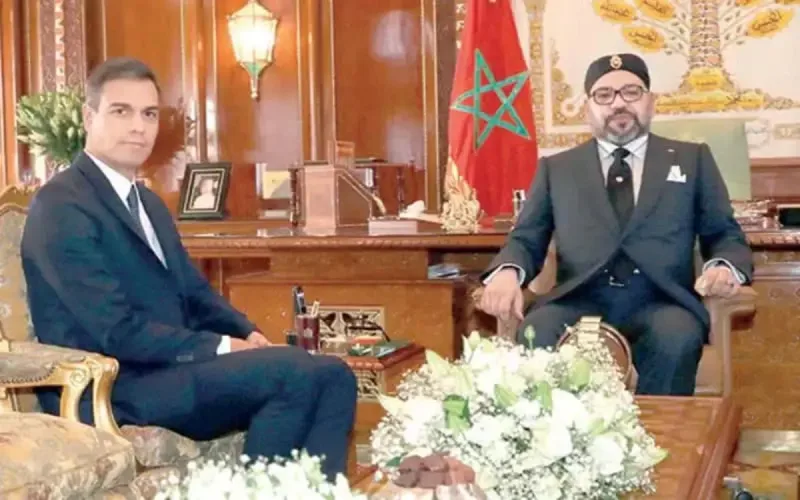
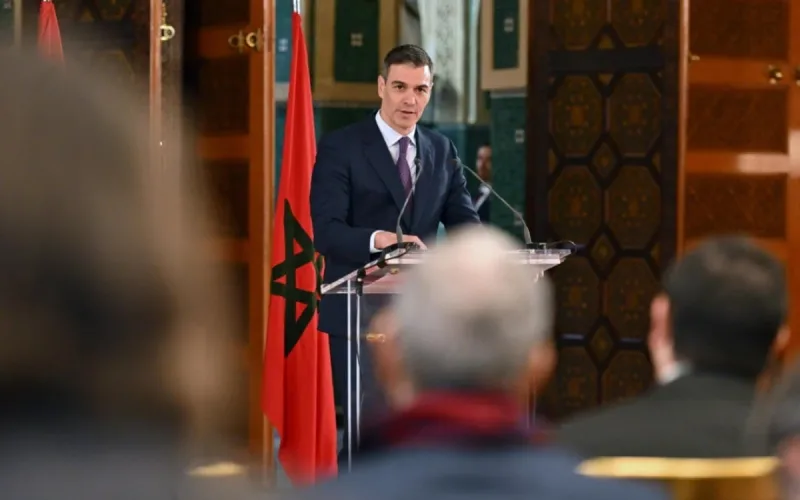
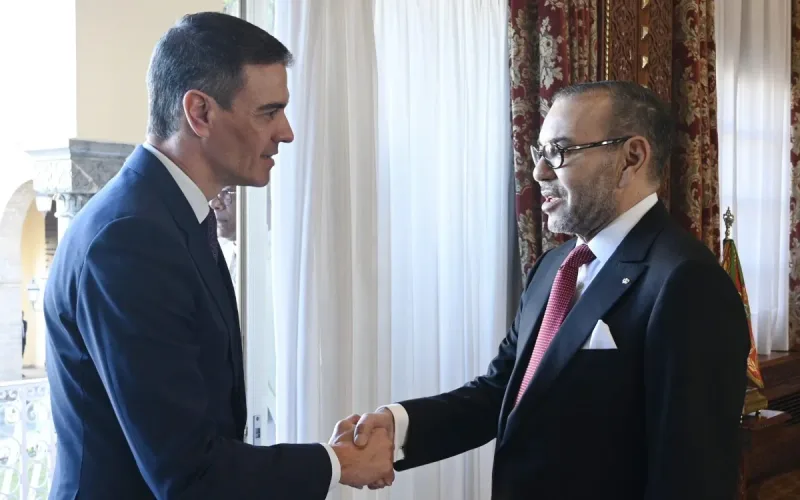
The meeting, led by Pedro Sánchez and Aziz Akhannouch, will also be an opportunity to sign agreements in various sectors such as energy, digitization, and sports, with a view to the joint organization of the 2030 World Cup. Rabat is coming to this negotiating table strengthened by the recent diplomatic success at the UN, where the Security Council supported its autonomy plan without any opposition.