Has Spain lost the upper hand against Morocco?
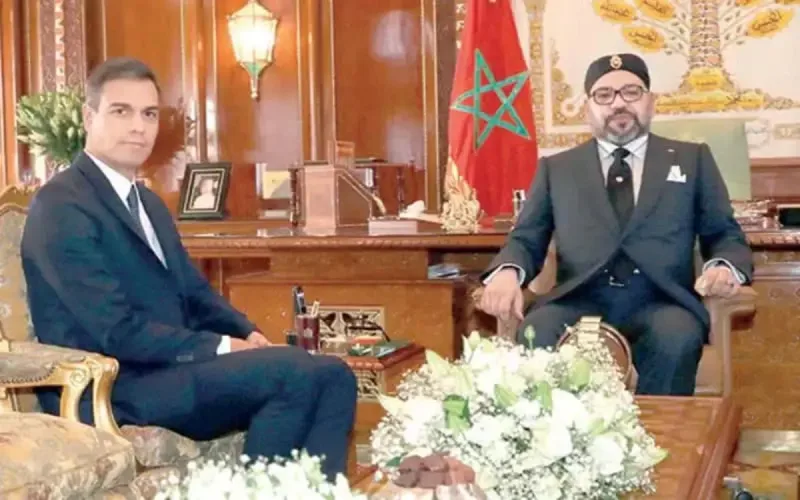
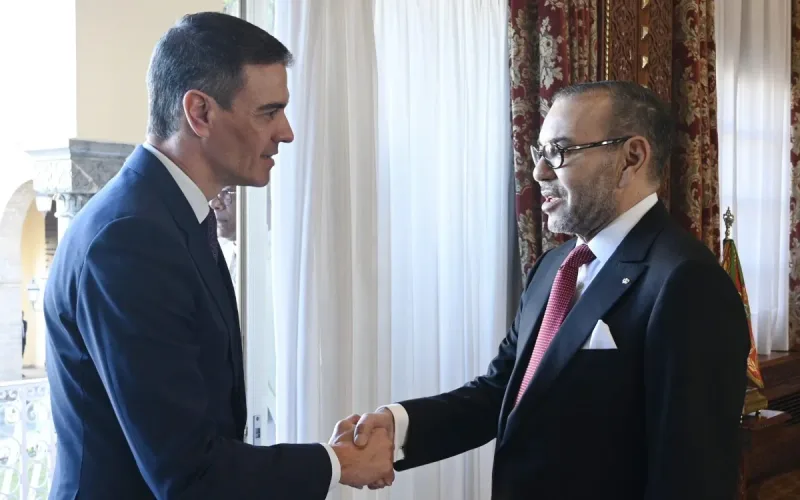
The latest high-level meeting between Madrid and Rabat has left an unfinished taste. While fourteen agreements were signed, the core burning issues - sovereignty, territorial waters, customs - were carefully avoided, illustrating a geopolitical shift where Spain now seems to be subject to the law of a Moroccan neighbor in full strategic ascent.
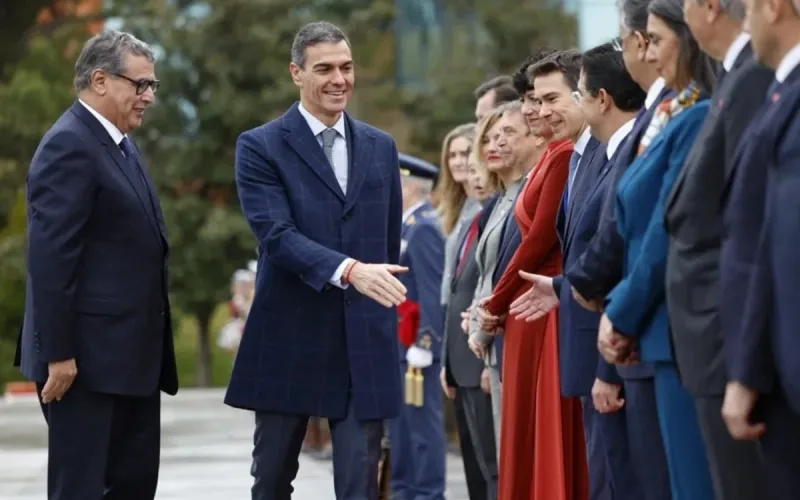
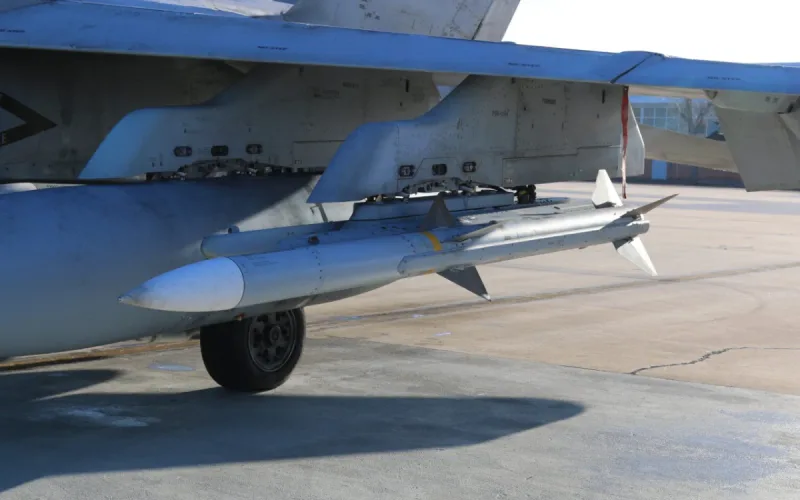
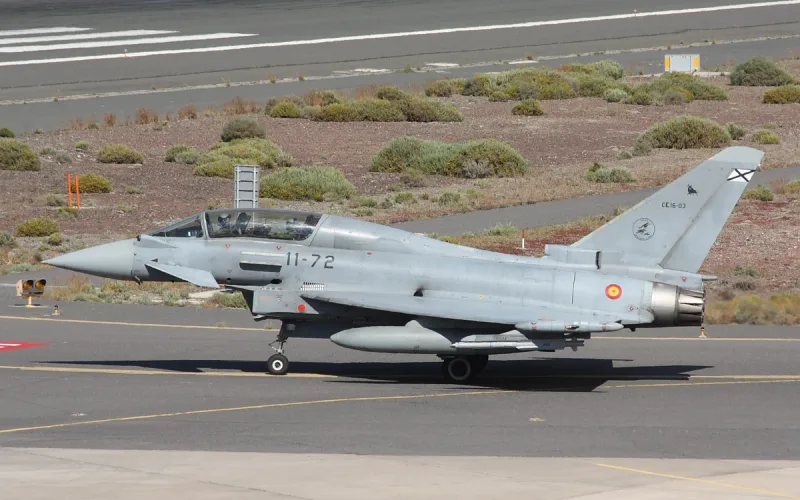
Has Spain lost the upper hand against Morocco? This is the question haunting the corridors of Spanish diplomacy and the Spanish newspaper El Economista. The country, once an indispensable partner, is gradually being relegated to the background by the United States, which now favors the Rabat axis for its strategy in the Mediterranean. This downgrading is accompanied by a military rise of the Kingdom, fortified by the Abraham Accords and a close alliance with Israel. The prospect of a joint military base 40 kilometers from Melilla and the establishment of the Israeli defense industry on Moroccan soil are redrawing the balance of power, placing Madrid in a defensive, even submissive, position.
This new balance of power crystallized during the recent bilateral summit, described by some observers as "semi-clandestine". Despite the signing of fourteen texts and a joint declaration, the thorny issues were obscured. No concrete progress has been made on the effective reopening of the commercial customs of Ceuta and Melilla, much to the dismay of local entrepreneurs who denounce a persistent economic blockade, contradicting the optimism displayed by Pedro Sánchez.
More worrying for Madrid is the radio silence on the delimitation of territorial waters. By implicitly validating the integration of the Sahara, the Spanish government is paving the way for a major legal conflict concerning the Exclusive Economic Zone (EEZ) off the Canary Islands, which Morocco wishes to extend. A time bomb that La Moncloa has chosen to ignore for now.
This low-profile strategy fuels speculation in Spain. From the Pegasus spying affair to the Spanish financing of critical Moroccan infrastructure - such as the mega-desalination plant or the 2030 World Cup projects - Pedro Sánchez’s concessions are raising questions. Faced with a Ryad Mezzour, Moroccan Minister of Commerce, who warns that "if Spain behaves well, Morocco will behave well", the silence of Madrid sounds like the admission of a diplomacy now under constraint.