Spain forced to adapt its military system to face Morocco
Spain is adapting its military system. The rapid modernization of the Royal Armed Forces (FAR), now equipped with cutting-edge technologies, is pushing Madrid to rethink its static defense strategy on its southern flank to face a new security environment.
The Spanish General Staff is facing a "strategic paradox". The classic defense model is no longer sufficient to face the rise of the Moroccan army. Between 2020 and 2025, the FAR underwent a major transformation, acquiring long-range vectors and unmanned systems, including technologies that Spain does not have, such as HIMARS missile launchers, reports La Razòn.
For the garrisons of Ceuta and Melilla, described as totally devoid of strategic depth with an "enemy at the door", Spain maintains a heavy system. Leopard 2A4 battle tanks and armored vehicles are deployed there, supported by the elite infantry (Legion and Regulares).
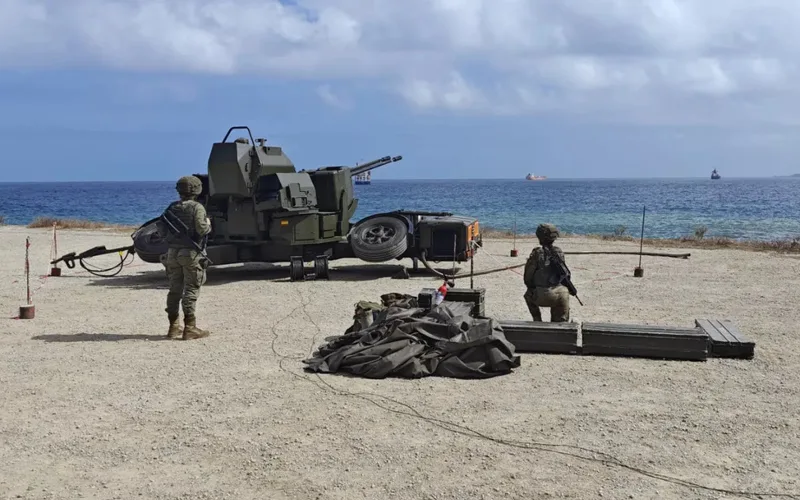
However, this system presents a real "Achilles heel": vulnerability to drones and loitering munitions. While guns are in place, there is no permanent area air defense (the NASAMS systems remain on the peninsula to avoid escalation), leaving a potential gap in the face of new Moroccan capabilities.
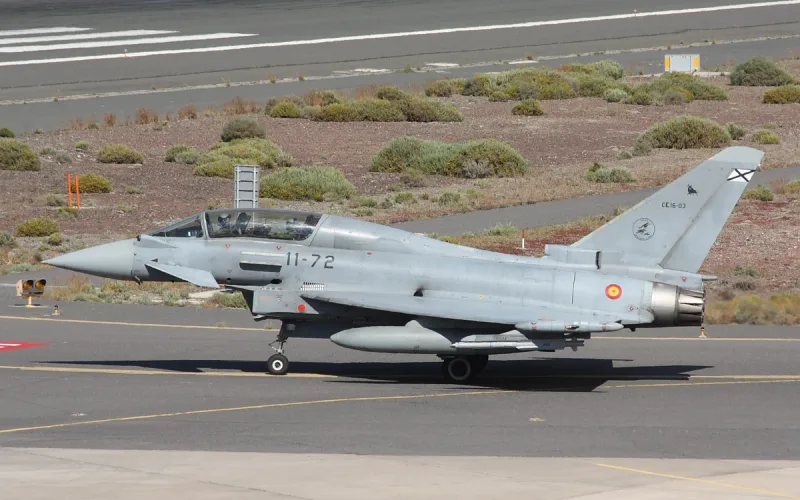
In the Canary Islands, a key position for projection into the Atlantic, air defense relies on Eurofighter Typhoons, although the latest models are reserved for the peninsula. On the naval level, the absence of permanent frigates is highlighted as a weakness, the archipelago having only patrol boats for low-intensity scenarios.
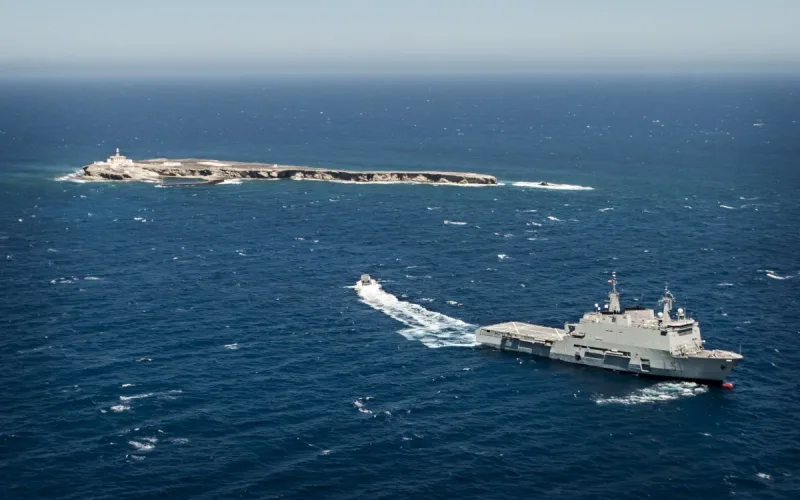
Finally, the Strait of Gibraltar remains the "center of gravity" of Spanish defense. The coastal artillery regiment (RACTA 4) provides a precision strike capability to deny access to the area, supported by the air and naval superiority that Spain believes it maintains in this sector.