Spain "downgraded"? A newspaper denounces the passivity of the Spanish army in the face of Morocco
Israeli drones, American missiles and record budget: Morocco is pursuing an ambitious defense policy. This overall rearmament plan benefits from the financial support of Saudi Arabia and the technical expertise of the United States. A new military status for Morocco that questions the passivity of the Spanish government in the face of these issues
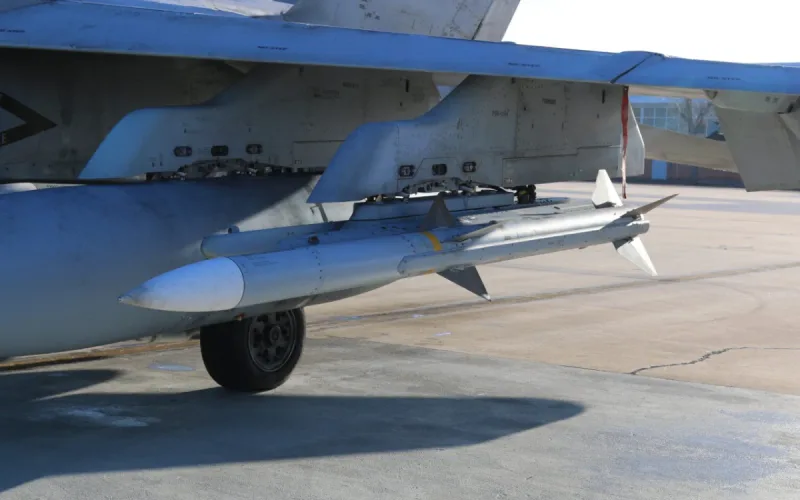
The United States Department of Defense has approved the delivery of advanced AIM-120C-8 AMRAAM air-to-air missiles to Morocco, for an amount of $88.37 million. This transaction is part of the strengthening of the military capabilities of a major non-NATO ally. The US administration justifies this decision by the desire to support political stability and economic progress in North Africa, while consolidating its foreign policy in the region.
The Spanish newspaper El Economista points out that this announcement comes as Morocco and Israel have intensified their military cooperation. This agreement, initially signed in 2021, now makes the Kingdom a strategic customer for the Israeli defense industry, including the establishment of drone manufacturing plants on Moroccan soil. At the same time, Rabat is carrying out a global rearmament plan estimated at $22 billion, benefiting from the financial and technical support of the United States and Saudi Arabia.
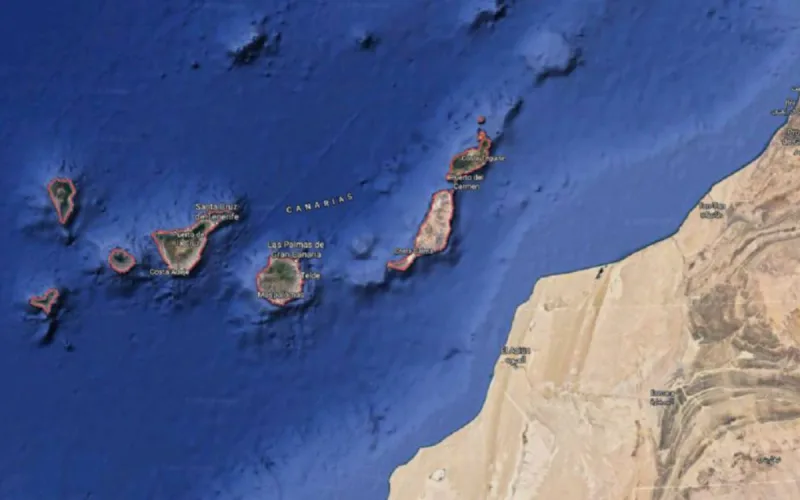
This military buildup is causing concerns within the Spanish army command. Military analysts point to Moroccan claims on Ceuta and Melilla, as well as on the territorial waters of the Canary Islands. In 2020, the Moroccan Parliament redefined its exclusive economic zone (EEZ), creating an overlap with the extension of the continental shelf requested by Spain. This situation generates latent tensions over the delimitation of maritime borders between the two countries.
The publication criticizes the policy led by the government of Pedro Sánchez, accusing it of passivity in the face of these sovereign issues. Several decisions are the subject of questions, in particular the recognition of Moroccan sovereignty over Western Sahara, the granting of a 250 million euro credit for a desalination plant in Morocco and the financing of infrastructure for the 2030 World Cup. These concessions come in a context marked by the espionage of the Spanish president’s mobile phone via the Pegasus software, the origin of which remains officially unclear.
On the diplomatic level, Spain is experiencing a downgrading in favor of Morocco, which is establishing itself as the privileged strategic partner of the United States in the Mediterranean. While Rabat has normalized its relations with Israel via the Abraham Accords, the Spanish government has broken its ties with key allies of the US administration, such as Israel and Argentina. This loss of international influence coincides with the maintenance of the customs blockade of Ceuta and Melilla and the persistence of migratory pressures towards the Spanish coasts.