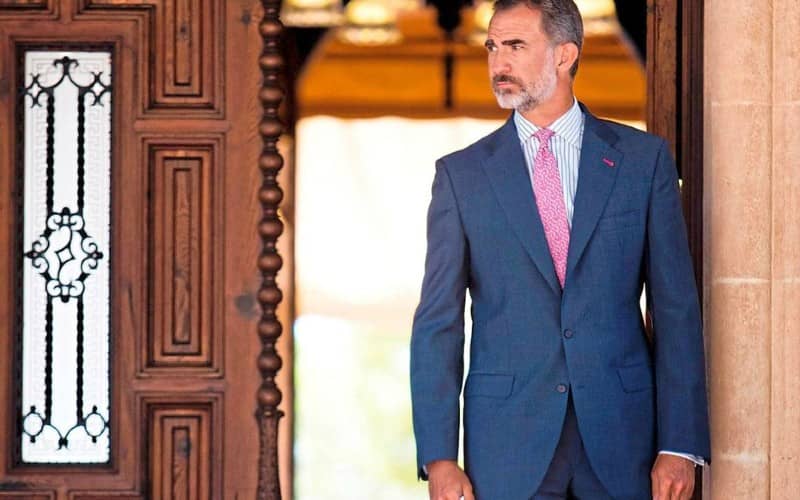
Ceuta: Madrid wanted Felipe VI to call Mohammed VI, then backed down
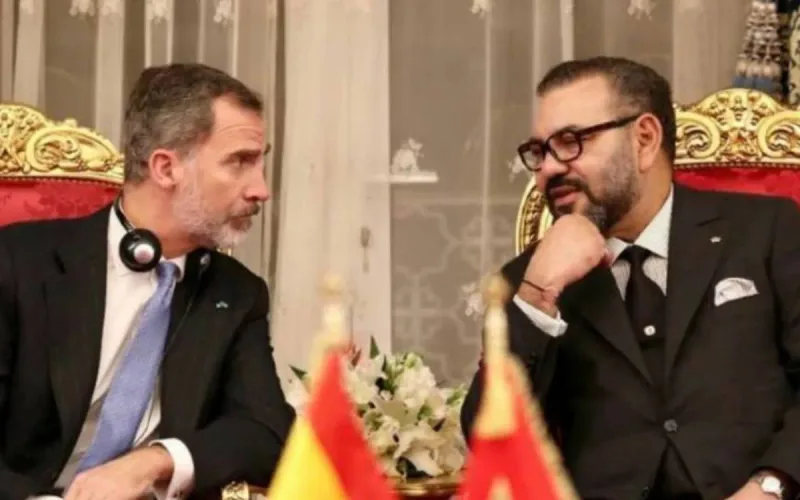
Amid the Ceuta crisis, the Spanish government considered turning to Felipe VI to open a direct channel with Mohammed VI. A minister sounded out the Royal Household about whether it would be appropriate to call the Moroccan sovereign. The idea was ultimately abandoned.
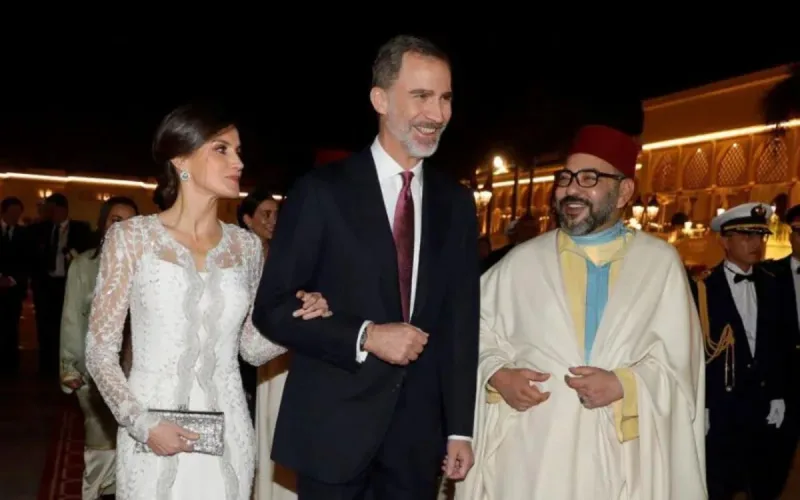
The information was revealed Friday by El País, which said it had confirmed it with sources in the Spanish government and the Royal Household. Pedro Sánchez did not directly ask Felipe VI to call Mohammed VI, but one of his ministers presented this possibility to the king’s entourage.
The aim was notably to thank Morocco for its stance after the mass entries of 30 and 31 July. Madrid believed that a gesture by Felipe VI toward Mohammed VI could “help,” after Morocco took back a large part of the people who had returned to its territory.
The call nevertheless never took place. According to the Spanish daily, the Royal Household considered that direct intervention by Felipe VI could be misinterpreted while the crisis was still far from being resolved.
On Bladi.net : After Ceuta, Madrid quietly prepares its “plan B” to pressure Morocco
Felipe VI is nevertheless personally following the matter. He received the president of Ceuta, Juan Jesús Vivas, and spoke with Pedro Sánchez, the president of Melilla Juan José Imbroda, as well as opposition leader Alberto Núñez Feijóo. One interlocutor is missing from this list: Mohammed VI.
Felipe VI could still call Mohammed VI
The possibility has not been definitively ruled out. The Spanish Royal Household believes that a call to the King of Morocco could still take place in the coming weeks if it becomes “useful and reasonable” and if Pedro Sánchez’s government considers the timing appropriate.
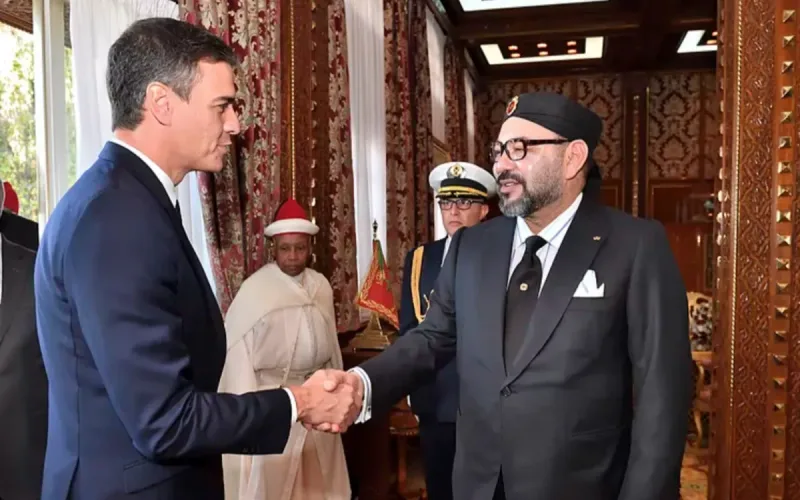
This caution is also explained by the particular nature of the relationship between the two sovereigns. They are described as cordial, but much less direct than those once maintained by Juan Carlos I and Hassan II. The two former sovereigns frequently communicated during crises between Rabat and Madrid, whereas Felipe VI and Mohammed VI make greater use of institutional channels.
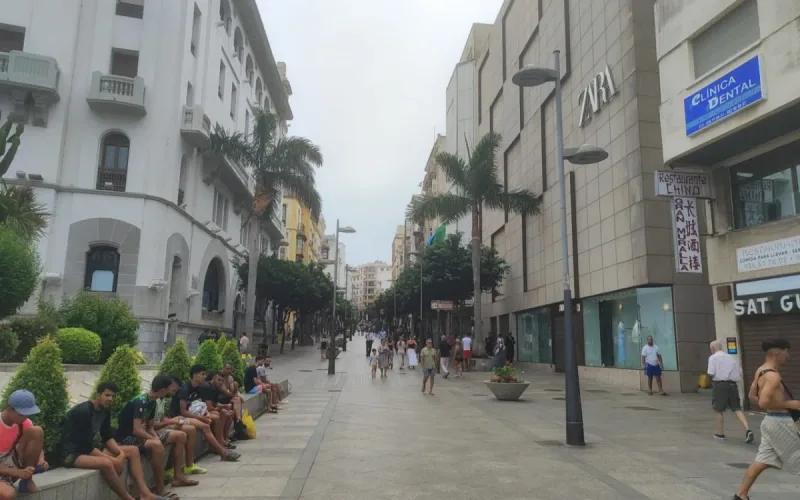
The other option under consideration remains a visit by the King of Spain to Ceuta. Felipe VI has already committed to making the trip, but its timing depends on the Spanish government’s green light. A visit that would be particularly sensitive for Rabat: Juan Carlos I’s visit in 2007 had triggered a serious diplomatic crisis and the recall of the Moroccan ambassador to Madrid.
On Bladi.net : Ceuta and Melilla: Morocco and Spain Tell Different Stories
Madrid thus finds itself with two possible royal gestures and two opposing diplomatic risks: having Felipe VI speak to Mohammed VI in an attempt to ease the crisis, or sending the Spanish sovereign to Ceuta at the risk of irritating Rabat. For now, Spain has chosen neither.